Dir. John Boulting
⭐️⭐️⭐️⭐️
52-week film challenge, film 44

Whilst away on a quick vacation, I had an opportunity to see Brighton Rock, a Graham Greene adaption starring Sir Richard Attenborough and, yes, William Hartnell. Although all of the Doctors are fine actors, the more I see of Hartnell the more I admire the variety he brings to his parts.
I’m beginning to believe that Hartnell did actually say that the only man in England who could replace him as The Doctor would be Patrick Troughton; they both mold themselves into the part instead of (as happens too often these days) the part being effectively written especially for the one character an actor plays especially well. Hartnell is only a featured player in this one, where the lead is Sir Richard Attenborough playing “Pinkie” Brown, a ruthless small-time gangster who leads a small-time gang of crooks, of which Hartnell’s Dallow is the most loyal but least adventurous … at least at first.
They spend their time shaking down some merchants of Brighton, a popular seaside tourist town on the southwest coast of England. Having been there, I can attest that things have only changed superficially there in the decades since this was made.
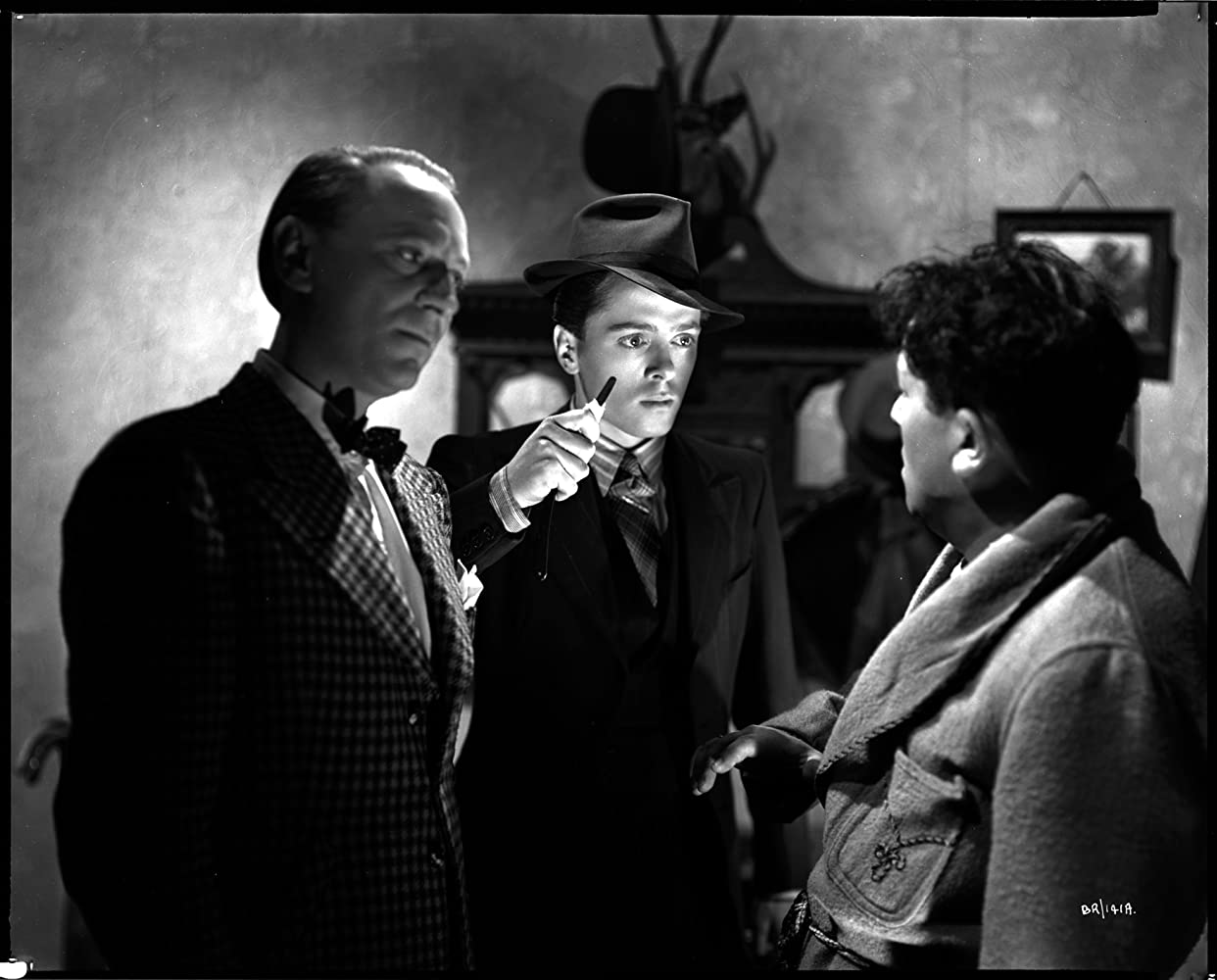
The story starts after the murder of a gang leader named Kite, that the police suspect was the result of gang wars in Brighton. They couldn’t be more correct: young Pinkie Brown has just taken over Kite’s old gang, and when Brown discovers that a man named Fred Hale is in town for the day doing a newspaper promotion, Brown blames Fred (who clearly had some unshown previous dealings with the gang) for Kite’s death.
The gang confront Fred in a pub, then chase him around the area until Pinkie manages to kill him on an amusement park ride. Before that, Fred meets local busybody and brassy entertainer Ida Arnold (Hermione Baddeley) who picks up on the fact that Fred’s scared. When he is in fact killed, the police think it was a heart attack, but Ida starts trying to reveal the truth.

Following the murder, Pinkie moves to cover up when he died, by having his lieutenant Spicer distribute the remaining contest cards as though Fred was still doing it, but Spicer was seen putting one of the cards in the cafe where Fred was seen. Pinkie decides to put a card under the table at the cafe himself, and meets the same waitress that waited on Fred, a sweet doe-eyed thing named Rose (Carol Marsh). Pinkie alternates between “flirting” with her and trying to find out what she knows.
Ida comes into the cafe, and gets a suspicious vibe off Pinkie that Rose probably sees as dark and exciting and thus attractive. Pinkie asks Rose out, but he’s not truly interested in her; she’s smart and knows he’s somehow involved in the gangs. Pinkie has designs to marry Rose purely so she cannot give evidence against him (as was English law at the time).

This sets the main plot in motion, to see how these scenarios will resolve themselves, and the answer is “not quite as you’d expect,” thanks to a number of well-done additional elements, including Pinkie’s conflict with the older boss of a rival gang; that Pinkie has no loyalty even to his own gang; a phonograph record Pinkie makes in a booth that we eagerly await the result of, which includes a great twist. The various elements really add to the story.
As with other Graham Greene works, the screenplay wrestles with the differences between Catholic morality — which is heavy on themes of damnation and forgiveness — versus individual moralities of mainly non-religious or not strongly so individuals when those moralities conflict. The film was seen as having excessive violence and thus didn’t quite break even on release, but in the US (where it was retitled Young Scarface) the violence wasn’t seen as excessive, and thus didn’t do well there either.

Brighton Rock (the title actually refers to a popular candy of the time) consistently shows up quite high in lists of the best British films, and I suspect this is mostly due to Attenborough’s incredibly strong performance as the paranoid and borderline-psychotic Pinkie. It certainly does a good job of capturing the unseemly underbelly of a resort town, and is populated with a variety of colourful British characters.
The performances, from the unnerving Pinkie to the fiercely loyal Dallow to the semi-innocent Rose and the caricaturish Ida are all “rock”-solid, and the gang fight was seen as shocking at the time. There are enough unexpected plot turns to keep even those not fond of “gangster movies” interested, and the contrasting themes of dark motives and bright, happy tourists (not extras; the tourist scenes were shot serepticiously) is a wonderful backdrop that breaks up the frequent cruelty.

If you like old movies with a lot of character action but aren’t fond of US-type gangster movies, Brighton Rock might be worth a try. The twist at the end is brilliant — but made Graham Greene angry, and that’s more than enough to go on for me.

 The Chasbah