The third disc in the collection is the sonic equivalent of an attic clear-out: anything contemporaneous from the period around Metamatic that hasn’t already been committed to disc goes here.
There’s a fair number of instrumentals on offer, which often feel like audio notes regarding certain moods or sonic backdrops to be used elsewhere, and in some cases hinting at future ambient works. The disc finishes up with a handful of previously-rare demos made for the original album.
THE MUSIC
The overall quixotic feel of the disc is established almost immediately with the first two tracks. The curtain rises on “A Frozen Moment” — about a minute-and-a-half of beepy-boopy synth effects, a sonic notebook of wayward sounds that would later on find homes. Here, it serves as a scene-setting appetizer for the glorious steak that is track two, “He’s a Liquid (Instrumental Dub Version).”
It’s kind of hard to imagine a John Foxx karaoke event, but here’s your chance to try your hand at it. This version includes more of the echoey whistling of the original that, with the vocals not present, somehow adds a creepier effect to this already cold-wave classic.
“Mr No (Alternative Version”) is a similar but more basic version of the track we hear on Disc 2 of this set. Like some of the additional “Early Versions” we’ll hear later on this disc (and a few of the “Alternative Versions” we heard on the last one), this feels like a demo done on Foxx’s own equipment. That said, it follows the more polished official version that eventually made it as far as being a b-side pretty closely.
We now come to a section of songs not heard on any of the previous Metamatic reissues. These are some leftover sound beds, backgrounds, tone experiments and other bits of recorded emphemera, mostly without rhythm but with a sense of chasing down a set of beautiful and/or evocative synth sounds — a kind of sonic notebook that he thought might come in handy later.
We start with “The Uranium Committee.” The usual low-hum drone runs for a bit, then a cycling higher-hum wipe. This fades slowly out at the two-minute mark. It’s more like a backing sound set in search of a melody.
“A Man Alone,” however is more of a proper instrumental with a melody line, but is still mostly just synth noodling that seems to be an experiment in what sounds blend well together. This is Foxx experimenting with setting a mood before adding the beat that would drive something like this.
R2-D2 and the accompanying dark sci-fi vibe return in the aptly-titled “Terminal Zone.” This in particular would have made for some great soundtrack music in some then-future Doctor Who episode. Likewise, the fragment “Urban Code” is another mood piece of sinister machinery.
The mood lightens considerably with the melodic “A Version of You,” hinting at the romantic overtones that first showed up in the early “Like a Miracle” heard on Disc 2.
Speaking of that previous disc, we get to a proper full (albeit instrumental) song in the “Alternative Version” of “Glimmer.” The “official” version is the better of the two in my view, but both are very similar.
A synth wash drapes around the mostly-untreated piano of “Fragmentary City,” another of Foxx’s solid dreamscape soundtracks.
“Metamorphosis” is mostly some SynthFarts™ but also sounds like an early experiment with what would later become the “metal beat” sound. Listening to experimental tracks like this now, it’s helpful to recall that synths around this time had to be painstakingly hand-tweaked to produce sounds other than the pre-programmed ones.
These little recorded “workshops” are how Foxx arrived at many of the amazing sounds that finally graced the album proper, and drawings in his notebook would suggest that illustrations of the synth settings for easy re-creation were made when he was happy with what he heard.
“Approaching the Monument” is another soundscape, vaguely sound like a motorcycle revving against a backdrop of ambient low noise. It constantly threatens to turn into a further set of sounds, but never does.
The best collection of these synth experiments comes in the form of “Critical Mass,” which captures a number of key sounds — and even has some percussion! — that would later to be used to augment the songs on Metamatic.
This whole section of nerdy noodling will probably not be of interest even to most Foxx fans, but is the background research, if you will, that made the album what it became musically.
We end this section with the whimsically-titled “Alamogordo Logic,” a shorter compilation of potential synth settings.
To finish up the disc, we return to some actual pieces of music. The “Early Version” of “Touch and Go” kicks things off, in a faster but otherwise nearly-complete demo version of the song.
Foxx then moves into an almost House-like beat paired with a semi-succcessful vocal in “Miss Machinery,” a song where the vocals don’t quite work and doesn’t appear to have been developed further — despite an interesting melody — but has the great phrase “let me introduce my army.” With a bit more work, this could have made a decent b-side. It’s bursting with potential but just didn’t quite gel.
The last track is the “Early Version” demo of “No-One Driving,” remastered specifically for the White Vinyl and this version of the expanded Metamatic album.
This take is pretty awesome too, with a different opening sequence and no handclaps, some “ghost vocals” but otherwise very similar to what became the finished vocals, and exactly the same lyrics. It is, if you’ll pardon the pun, a real “high note” to end the box set on, and reminds listeners why they are fans of Foxx in the first place.
THE POSTSCRIPT
If you’ve been obsessed with the original album since it came out half a lifetime ago (!), you will want to own this box set, even the more experimental Disc 3. If you’re a more casual fan who enjoyed Metamatic but may have another Foxx solo album as your favourite, the 2007 Edsel 2CD reissue will probably tide you over very well — it has many but not quite all of the highlights found here.
If you really need all the “Alternative” and “Early” versions, though, and are willing to slog through some unfinished bits, you will want this much-superior 3CD version from 2018. The CD scores over any previous vinyl version (even if you prefer the latter format over the former) by way of the art cards, silvertone booklet, and the possibility of the autographed card.
This disc is almost entirely the b-sides of the singles, remixed or early versions of some songs, and three “new” extended mixes of the original versions made decades after the original album for a 2007 2CD reissue of the album. The sleeve, as seen and mentioned when discussing Disc 1, bears the “artwork” of a master reel tape (Reel 2, as it happens), recorded in June 1979 and engineered by Gareth Jones, with Foxx himself acting as producer.
One’s esteem for the artist grows even more when one recognises that yes, Foxx did almost everything here himself except for a few musical touches and a technical job he couldn’t do, primarily because he’s only one (new kind of) man. The first 10 tracks on Disc 2 comprises most of the second CD of the 2007 DLX RM, a mix of non-LP a-sides and b-sides for the singles.
Following those 10 tracks, we are treated a radio edit and single version of two a-sides that weren’t present on the 2007 box. This is followed by three “alternative versions” (not demo tracks, but probably home studio recordings still much more in the Ultravox! style – including one very special one), and then the aforementioned reworks of three album tracks, two of which are again from the 2007 2CD second disc.
THE MUSIC
The disc leads off with “Film One,” which I first heard as the b-side of the single “Underpass.” One first hearing all those years ago, I wasn’t very big on it. It was dark and heavy and dour compared to the A-side, but I’m glad I revisited it when this box set came out (and again when writing this review).
Now to my ears it sounds more like a symphonic expression of the whole “industrial” music genre. You want heavy metal? This is more like the sonic expression of heavy metals.
“This City” ended up being the third a-side track for the 12-inch “Burning Car” maxi-single, when it should have been the b-side for “Underpass” in my view. Similar to “No-One Driving,” “This City” has an urgency to it that I think would have paired nicely with the a-side.
Instead we got six songs on the 12-inch in total: “Burning Car,” “20th Century” and “This City” on the a-side, and “Miles Away” (another future album track), “A Long Time” (not included on this box set, because it appeared on The Garden), and “Mr. No,” an almost-jazzy instrumentalwith an undercurrent of discord and menace. The periodic “singing” from R2-D2* on the track ties it in nicely to the at the time just-released film The Empire Strikes Back.
*not really, but the same synth used for the film’s famous bot-voice.
The fourth track “CinemaScope,” uses a basic Foxx-ian music bed, adding in his speaking/singing voice and bleeping synths set against a shimmering audio backdrop.
Next up is the non-LP a-side “Burning Car,” a Ballardian masterpiece that should have been a hit single. Deceptively simple due to it’s short chorus (“It’s a burning car!”), the song unfolds its story in the verses.
I played this once in a middle of DJ set at a club called Visage a great long time ago, and although the crowd thinned a bit since it wasn’t a familiar ‘New Wave’ song to them, the people who were really there to dance embraced it with their tribal dance moves. One passionate dancer of my acquaintance in particular seemed thrilled that something “obscure” — compared to the reliable 80s dance favourites — had made it into the set list.
This was followed with “Glimmer,” the first hint we’ve had thus far of Foxx’s growing interest in ambient music. “Glimmer” doesn’t really qualify per se, but it casts a serenity spell with its backing curtain of sound. The simple but building melody and the lack of vocals proved, very satisfactorily, that Foxx doesn’t need his vocals to take you to another place.
Speaking of which, the next track, “Mr. No,” is also an instrumental — a curious choice to bunch them together a third of the way through this disc, but I’ll take it. This one was very different, with kind of an “electronic jazz” feel (another “new” sound style at the time), with Foxx’s reliable undercurrent of discord and menace.
The periodic “singing” from R2-D2 on the track (not really, but the same synth used for that bot’s “voice”) ties it nicely to the concurrently-released The Empire Strikes Back.
“Young Love” ends the instrumental break with a roaring return to the Ultravox! days, and it is a glorious return to form. Maybe it’s the phrase “rockwrok” and the rhyming couplets, maybe it’s the full-throated singing we very rarely get here among this album’s many associated tracks, but at a guess I’d say this was a song from his notebook they didn’t get to before his departure from the band, and … well, why waste it? It might well have benefitted further from a proper band treatment, but I think it’s perfect just as it is.
Then, “20th Century” goes in a different direction — John Foxx does a John Lydon (!!) style vocal on a track that had an “underdeveloped demo” feel, given the minimal lyrics — essentially just the title, with an occasional “It’s the” thrown in before it from time to time. It’s got a great hammering bass line, an urgent beat, and a nice mix of what I’ll call SynthFarts™. If “Young Love” had been a single, this probably would have been the b-side.
Speaking of underdeveloped demos, “My Face” is a song that later got reworked into the superior “No-One Driving.” This version is obviously rougher, but we finally get what seems like some uncredited Robin Simon treated guitar in another number that could have ended up with Ultravox! in an alternate reality. Lyrically it’s quite thin, but the beat and guitar are great to hear.
This moves us along into another small but notable “room” in this exhibition — single and radio edit versions. The radio edit of “Underpass” gets an entire minute shaved off, which seems like vandalism but makes it even more urgent. The melody for this dystopian hymn is so simple a child with any level of harmonic understanding could play it on a toy piano, and yet 43 years later, the haunting effect of the synth wash and performance combine to give it an aura that never leaves you.
For the single version of “No-One Driving,” there’s been some work done on it that amounts to a notable variation, so I’m very glad it’s here. Compared to the album version, the single sports doubled vocals for harmony, and a synthetic female wail matched to the synth sounds in spots.
There’s also a more treated use of the “handclap” sounds here, and some more-prominent piano in places. Overall, it’s considerably clearer and brighter than the album version — perfect for AM radio.
This version also uses the more radio-acceptable line “Someone’s gone missing in the sheets,” rather than “liquid.” It’s an overall improvement in most areas, retaining that relentless beat, apart from the ending.
Both the album and single version end with a piano effect like a bell tolling, but the single version finale is sparser and slower; Foxx beefed it up with more echo, sped it up a little, and added some treated “drone” effect to the end for the album version. This means the “single” is three seconds shorter.
We now move into the “alternative version” room for the final third of the disc. For me, noting that this CD set had the “alternative” (read “early”) version of “Like a Miracle” was the most exciting single entry apart from the third disc’s considerable list of previously-unheard songs.
Foxx later turned this into quite a masterpiece a couple of albums after this one, in 1983’s The Golden Section, and this “rough sketch” of it isn’t a patch on the finished version. For starters, Foxx speaks it more than sings it except for the chorus, and the vocal seems very pulled back compared to the passion of the future album version.
It also has a different “oh-ho-ho” call, and the arrangement heard here wouldn’t have been past Jona Lewie to create if Lewie’d had more and better synth gear. It’s still clearly a great song, so I’m glad it got held back and polished for later release. I should mention that the version heard here is identical to the “demo version” I first heard many years ago, but considerably cleaned up for this CD release!
“A New Kind of Man (Alternative Version)” was another treat. You get more of a “spy” vibe from this thanks to the “Peter Gunn” riff, and honestly had it existed at the time, it would have made a good theme tune for the late-60s Patrick Magoohan equally-brilliant TV series “The Prisoner.” This also has a fully different vocal performance, with more urgency and darkness to it.
The last of the “Alternative Versions” on this disc is “He’s a Liquid,” which starts identically to the released version, and its not until the end of the first verse that we hear a significant difference: ethereal background vocals (from John) following the melody line, along with a somewhat different lead performance, not to mention a brighter EQ setting.
The last three tracks are marginally “extended” mixes of the songs “Plaza,” “Underpass,” and an “extended fade” version of “Blurred Girl,” the latter of which is appearing here for the very first time, as far as I’m aware. More of any of these great tracks is welcome, but I think “Underpass” benefits the most, because it’s just a song I don’t want to end, ever.
Next time: NOW how much would you pay? But wait, there’s more!
As we begin our tale, Ultravox! (as it was then known) was at a crossroads. Their leader, John Foxx, had departed (along with guitarist Robin Simon) over creative disagreements after three critically-acclaimed but not great-selling albums. Foxx was determined to carry on as a solo act, bringing his unique voice and poetic vision, unerring pop sensibilities, and recent obsession with synthesizers/electronic music with him. He left behind a set of highly talented musicians, leaving only “Mr.X” (oh yes he did!) as a parting gift to remind fans of future Ultravox (no “!” anymore) that it was John Foxx who led them down the path that led to that highly-successful reinvention.
Foxx’s first solo outing emerged in the same year as the now Midge Ure-led Ultravox masterpiece Vienna, with Metamatic hitting the bins three months before. Foxx on his own (with a little help from some friends) and Ure’s reconfigured Ultravox both turned out years of splendid records spanning the 80s — Ultravox arguably the more commercial (but excellent), Foxx the more esoteric (but excellent), and both taking maximum advantage of the wealth of new sounds not heard before in popular music, albeit in somewhat different ways.
Arguably, Foxx’s debut solo album is the more brilliant of the two competing albums — not just because Foxx (almost) single-handedly invented the “Cold Wave” sub-genre of synthpop, but his interesting use of what I’ll call “disharmonies” mixed in amongst the fragmentary and dream-like lyrics alongside flawlessly catchy melodies and memorable poetry. All this, even before we get to the fact that he essentially put this album together by himself.*
*okay, he had Jake Durant on additional bass and John Barker on additional synths, but it was essentially a true solo project.
It’s hard to express the power and delight that Metamatic generated on original release in May of 1980. The completely alien concept of entirely electronic music I had first heard with Wendy Carlos’ Switched-On Bach and Kraftwerk’s Autobahn as a youngster — which strayed so far outside the mainstream of music and yet was so mesmerising — had blossomed into my passionate embrace of out-of-the-ordinary modern with this and Vienna into a proper musical obsession, and opened wide for the tidal wave (inside joke, that) of synth music that was to follow.
Until I heard Kraftwerk, I was largely comfortable with mainstream radio and the music it played, but only passively. Punk kicked open the door and forced me to understand and identify with other kinds of “rock” music, and subsequently I explored and loved a number of sub-genres, especially punk, ska, electronic, synthpop, New Romantic, and of course the bigger tent we called New Wave.
Nowadays, all that kind of thing has a couple of handy catch-all names — “alternative” and “post-punk” — but at the time it was like having a hurricane descend on you, tear up everything you thought you knew about music, and reassemble it in new and fascinating ways. Post 1975, we definitely weren’t in Kansas anymore.
THE BOX
Even there are only three discs in this box set, it comes in the same kind of expanded CD box made of laminated cardboard, with each album in its own cardboard sleeve with the original art (cleaned up a bit).
In 2014, a remastered version of the album (and a disc similar to what’s on Disc 2 here) was issued, but only on vinyl as a Record Store Day bonus. I was very disappointed that it hadn’t also come out on CD at the time, and consequently didn’t buy it.
Thankfully, four years later this CD version arrived, and far better packaged on top of being preserved in a superior format. Good things come to those who wait, as they say.
In my copy, the first item one sees on opening is an art card printed in silver ink with an alternate version of the cover photo and the “Metal Beat” logo. This is followed by the booklet, again printed in silver tone so it is bloody hard to read unless you have the light just right, but the only text is the lyrics from the album and some credits for the box set.
The cover of the booklet might be the most “human-like” item in this set: the cover, and a couple of other pages scattered throughout, depict handwritten lyrics straight from Foxx’s notebook — in printed handwriting. There are also some photos, synth charts, and other remnants.
(photo by and courtesy of the Post-Punk Monk)
This is followed by four more silvertone art prints, each on separate cards. These include a screen version of one of the single sleeves, a couple of paintings (presumably by the talented Mr Foxx), and another alternate take from the original photo shoot for the album cover.
Moving on from that is the silvertone sleeve for the album itself, unadorned with type or a border as it was on the original vinyl release (and the cover of this box set). The two other disc sleeves are also printed in silvertone, but look like the covers used for the master tapes (apparently the album was recorded at Pathway Studios in London).
(photo by and courtesy of the Post-Punk Monk)
For the first 750 pre-orders, a special fifth art card was included underneath the CD sleeves — revealing the synth button and level settings for “Underpass,” and signed by the great man himself. Rather than a Wonka-like “golden ticket,” this one is most definitely silver — but for fans who live outside the UK in particular, it is a very precious gift.
THE MUSIC
The original album consisted of the 10 tracks on the first disc of this box set — “Plaza” through “Touch and Go.” As far as I can tell, all the tracks are the 2014 remastered versions as mastered by Joe Caithness, regrettably getting awfully close (but “never quite touching”) to brickwalled. I don’t currently have access to a copy of my original CD or vinyl versions, but the separation and clarity are quite good on these new digital versions, as you’d expect. It’s a definite improvement on the original vinyl version.
Rather than go through song-by-song, I invite anyone reading this who never heard this album to put it on via streaming or whatever means at your disposal, and marvel at this artifact seemingly fallen from the far future that retains its timeless sound. Even if you’re familiar with Ultravox and other synth-based bands, you’ve never heard anything like this: warm singing backed with his off-kilter cold persona; acid-trip level visual lyrics describing dreams and alternate realities like a mysterious narrator who walks between worlds; oddly warm melodies with dissonant harmonies; music that really takes you to a very different place, and yet is accessible to the open mind.
Foxx is the master or marrying “cold” synths with romantic visions in a world of machines, but in a detached voice — like a robot describing your dreams. Listening carefully, his self-harmonizing is unlike anything anyone else could do easily, and yet so many of the tracks are memorable and … “catchy” isn’t quite the right word, but “perfectly crafted” will have to do.
His lyrics effortlessly paint pictures of those futuristic worldviews we never achieved, the kind of utopia/dystopia where personal hovercraft fly around the city while mystery and malice lurk just beneath the surface.
Here’s a few sample lyrics to get you into the mindset you’ll need to navigate this frozen paradise:
On the Plaza We’re dancing slowly lit like photographs Across the Plaza Toward the shadow of the cenotaph — “Plaza”
Well I used to remember Now it’s all gone World War something We were somebody’s sons — “Underpass”
The family’s back from long ago The voices burnt, the voices gold Vapour trails go by Voices on the lines Nothing to come back to, can’t we fade? — “No-One Driving”
We’re fixing distances on maps And echo paths in crowds The light from other windows Falls across me now A blurred girl — “A Blurred Girl”
It’s not just the sound of the future, he transports you to that future.
My favourites on the album are the most driving and/or urgent of the songs, so “Underpass” (the big hit single), “Metal Beat,” “No-One Driving,” “A New Kind of Man,” and “Touch and Go.” The second-tier songs (for me) are still excellent: album opener “Plaza,” “He’s a Liquid,” and the most romantic of the selections here, “Blurred Girl.”
The lesser songs (in my view) number only two: “030” and “Tidal Wave,” there to try something even more mechanical-sounding, but they feel underdeveloped as musical ideas.
There was absolutely nothing quite like this in popular music in 1980 … even Ultravox took a markedly different (and smoother) path. The metallic sound with the mostly-cold and dry-ice lyric delivery accompanied angular self-dueting vocals … even Gary Numan’s Replicas reinvention, brilliant as it was, paled in comparison.
When this 3CD box version came out in 2018, my dear friend The Post-Punk Monk reviewed it in a series of posts, with me commenting from the peanut gallery. At the time I called it the best album I’d heard that year (meaning 1980, and there was some stiff competition that year!) and the expanded version was the best purchase of the year.
Six years later, Metamatic is seriously one of my favourite hard-core-electronic albums ever.
When the Monk summed up the sound as “Kraftwerk Reggae,” a bomb of comprehension went off in my head. In addition to the unconventional sound and singing, there was so much space sonically on this record! You can find the Monk’s nine-part review of the album here, and it’s highly recommended.
The first two singles from the album got into the top 40, but didn’t go much beyond that. The initial single was by far the strongest choice, “Underpass” (or “Underpants!” as I still call it to this day, giggling). The follow-up single was a logical choice as well: “No-One Driving,” a true Ballardian panic attack of isolation and nightmarish nihilism.
“A New Kind of Man” was pressed for a third single, but never officially came out — it may have been judged a bit too discordant, or perhaps just too similar to the fever pitch of “No-One Driving.”
Next up: the B-sides, the single versions, extended mixes and alternative versions!
BBC Sessions 1986-1987 and Live at Bath Moles (Cherry Red, 2020)
THE PROLOGUE
We’ve arrived at the “odds and sods” basement of this five-storey structure, having gone pretty chronologically from their earliest self-made recordings and through the course of their first three official albums. While we’ve had a few “live in the studio” songs, what we haven’t had so far is any live recordings.
Owners of Everything’s Shining Bright, the previous compilation of The Primitives’ early days, had what appears to be a full summer of 1987 concert at the Institute of Contemporary Arts in London. Bloom! doesn’t include that particular concert, but replaces it with a different one, recorded live in Bath, England at the famous Moles nightclub, a club that encouraged home-grown talent and helped a shedload of popular bands get their start, from the 80s incarnation of King Crimson, to The Cure, to Eurythmics and many more contemporary acts.
I myself got to see a show there once — not of The Primitives, but another of my beloved underdog bands, Scotland’s Trashcan Sinatras. I have a taste for great indie rock bands that do great things artistically, but go almost nowhere commercially. It’s my background in high school and college radio to blame.
Moles sadly closed after a 45-year run in 2023. It was a more intimate club, with a capacity of just 220. The Primitives show included here takes up the second half of Disc 5, but before that we get various BBC Radio sessions the band did “live in the studio” across 1986 and 1987.
THE MUSIC
If you’ve made your way through these discs along with this review, or were just a fan of the band, you’ll known most of the songs done live for various BBC Radio hosts well. True to form, the group can perform these songs live nearly as well as with the luxury of a studio, with all the pop genius intact and only secondary guitar lines missing.
The set for Janice Long, in mid-June 1986, kicks off with a grunge-y take on “Really Stupid,” a fast number about a loudmouth lout that Tracy has had more than enough of. This is followed with “Nothing Left,” one of their best numbers but I’ll (still) be damned if I can quite figure out what its about — something about the joys of being unsociable is my best guess.
The band not having studio to work with makes the songs’ lyrics easier to hear (if still not always understand), and the hooks more obvious. You really gain an appreciation of the live configuration for drummer Tig Williams and bassist Paul Sampson, not to mention Tracy’s voice.
“Run Baby Run” is another song about someone leaving someone — this is an act that doesn’t want to get into specifics for some reason. “I’ll Stick With You,” by contrast, is about pairing up with someone because it’s getting dark.
A session for host Andy Kershaw exactly one month after the Janice Long get-together kicks off with “Where the Wind Blows” and its bass line, plus some echo on Tracy’s voice (supported by Paul on the sub-chorus). “Across My Shoulder” is another one of the band’s “breakup” songs, but not as catchy as “Really Stupid.”
I’ve enjoyed “Spacehead” many times, though as with most Primitives songs I’m not studying the lyrics very closely. It makes its second appearance on this box set here — a fast, snappy, almost Ramones-esque number about a strange lad that has caught Tracy’s eye.
What I didn’t mention earlier (and is even more obvious in this live version) is one of the more awkward lyrics in the band’s repertoire, with Tracy having to make “What is that boy on?/He’s a strange per-son” — pronounced as “per-sohn” — work somehow (twice!).
But never mind that, we’ve arrived at “Crash,” which is really, really missing its second guitar line when done live, along with the effective echo effect on the “shut” in “shut your mouth.” Yet another breakup song, but still an insanely good showcase of what the band is all about. This is the song you play for someone to get them into The Primitives.
For this particular performance, Tracy seems to be struggling to get the lyrics out as fast as the band wants to play, and I detect some small adjustments in tempo during the performance to accommodate.
The next session — the last for 1986 — was for the very famous DJ John Peel, well known for introducing new acts to the British public. While I have no doubt that he helped the career of The Primitives, it somehow didn’t turn out to be enough in the end. That said, we are in the early days of the band here, before they’d been signed to RCA.
This session kicks off with a very feedback-y and rockin’ version of “Stop Killing Me,” yet another song about leaving someone, that rocks very well thanks to the excellent band backup vocals and harder rock arrangement.
This is followed with “Shadow,” where Tig shifts to the tabla while Paul’s guitar is recreating the drone effect so prominent in traditional Indian music alongside Steve’s bass, fusing raga and pop very effectively with a mystical lyric.
Paul takes lead on “Buzz Buzz Buzz” as he usually does. The live version can’t take advantage of the overdubs and suffers some emphasis on the chorus because of it, but its still a wild 60’s-style number one might have imagined a young Elvis performing in one of his movies about falling head-over-heels for someone upon first meeting.
The last song for this session was a surprise — The Primitives do a Rolling Stones song, “As Tears Go By,” and despite Tracy’s gentle vocal, this version turns out to be far more danceable than the Stones’ original ballad ever imagined it could be.
We then jump to April of ‘87, and the band have been invited back onto Peel’s show for another live round. Happily, they didn’t do any of the same songs as they’d done in the previous session.
The set starts with “Dreamwalk Baby,” which follows the studio version pretty closely, and just as they sing in the chorus, the lyrics “make no sense at all” to me, at least. Something about crawling in there though.
Next up is “Ocean Blue,” and it seems that the band has invested in some fancier effects equipment since their last appearance, allowing for more echo on the drums and light vocal effects for Tracy. It remains a lovely song about (I think) a budding romance.
“Everything’s Shining Bright” is another song about a new love, and we get a chance to really appreciate the lyrics, where Tracy requests that at the end of the evening “why don’t you turn out the light/so everything is shining bright.” It’s good to know she’s not breaking up with someone for a change.
This is followed by a rarely-heard song for the band, “She Don’t Need You,” which we last heard on the “Thru the Flowers” EP and which never actually made it onto any of the albums covered here. After those two previous romantic songs, we’re back to a song about a breakup, this time told in second-person for a change.
And with that, we move seamlessly on to the gig at Moles nightclub in Bath, and the reason why this particular show was picked becomes obvious — it repeats only one song from the selections heard in the radio sessions it shares this disc with.
Not The Primitives, obviously, but a shot that gives you an idea of the size of the room.
The sound quality and mixing on this gig is excellent, and the band is using a Farisa synth to give the songs an even more 60s vibe. This version of “All the Way Down” is a faster, poppier, and much more danceable version than the one Paul sang on Pure, and it really rocks this time around. The catchiest song about chronic depression yet written, with a wild organ solo beefed up by a fuzz tone guitar effect.
We move on to another unhappy-theme-turned-groovy-pop song, “Sick of It.” A new instrumental break, a new arrangement, and the aforementioned Farisa effect keep this party charging ahead at full steam. Cynicism was never this much fun!
Tracy introduces “Give This World to You” as a “very new song,” and even with the supplemental 60’s party vibe included in this show, you can tell that the band is stretching their wings a bit. Of course, the song turns up later on the album Galore. “Ooh, I enjoyed that!” Tracy says at the end of the song.
The inclusion of the synth at this gig really adds a great new feel to the band’s performance, and I kind of wish it had been used a bit more in their album versions on some numbers. It’s mostly not present or in the background on “Outside,” and Tracy clears up a mystery in her introduction of “Slip Away,” which she brightly says is about masturbation. Again, there’s a awkward rhyme in “I’m gonna drive my soul into the setting sun/I’ve got to get away from all this tedi-um.” It’s kind of adorable.
If nothing else, this box set gives us a variety of arrangments for the song “You Are The Way,” and I am here for all of them. The live version again benefits from the low-key but present organ addition. Tracy has to hit some very high notes at the top of her range a couple of times on this one, and she nonetheless nails it.
Next up is “Earth Thing,” which had a Farisa in it in the first place, so thank heavens it’s here. I’m tempted to say this is my favourite Paul-led song, and with the adrenaline-fueled slightly faster tempo here, along with the furious playing by the band, make this a guaranteed party smash, and that’s before the “jam break” that finishes the song out, featuring the bass first, and mad organ solo second. This is the best version of this song, ever.
“See Thru The Dark” is another upbeat song about kind of a downbeat subject, using metaphors for depression to encourage its subject to “see through” the present and look ahead to brighter days.
Introduced as “quite an old one,” the band quickly launches into “Stop Killing Me,” and Tracy has no trouble spitting out the lyrics to this great song. The organ is dispensed with for this number, to try and stick to the original arrangement as much as possible, and it rocks along merrily as a result. Those “bop-bop-be-dop” backing vocals just make this song extra catchy.
The concert comes to an end with the old reliable, “Way Behind Me.” Throughout this show, Paul has mirrored Tracy’s vocal in spots to recreate a “vocal doubling” effect, and at this point he’s very good at it. Listening to this, I much regret never having caught the band in concert, but I have to wonder if the mix from the soundboard we’re getting here is clearer than what the audience experienced.
At the end of the number, the band says goodnight (so we’re not getting the encores). The gaps between songs leads me to believe we’re only getting edited highlights of a longer show — this was only about 30 minutes of music, not counting the BBC sessions, but if it’s at all representative of what they actually sounded like live, then it’s to my shame that I didn’t get a chance to experience them in person.
THE POST-MORTEM
Bloom! pretty thoroughly documents the band’s original period of activity across their own Lazy Records label before moving on to RCA for their first three albums. Although they did do well in the charts on occasion, it must have been very frustrating for a young band to work that hard and not get more recognition.
Right alongside a handful of other bands, The Primitives should have been staples of the summer tour season. Their songs are airy, poppy, and almost relentlessly upbeat, while their lyrics are allegorical enough for fans to give them their own interpretation.
Perhaps their retro-influenced sound just wasn’t in fashion yet, or their lack of “anthemic” songs like what (for example) U2 was cleaning up with was the problem. The record company appears to have given them a fair amount of support, and they got plenty of good press (especially for a band from the midlands!).
The first album made it to #6 in the charts, and “Crash” did one better in the singles ranking. By the time the second album came out a year later, however, the scene had changed — acid house music and heavier bands like My Bloody Valentine had captured the spotlight.
The Primitives still had a loyal fan following, but Pure — which indulged Court’s more psychedelic stylings — didn’t do as well with its singles, though the album itself did reasonably well. By the time 1990 rolled around and the “Madchester” movement had blossomed, The Primitives were being seen as a “throwback” band for their devotion to 1960s and 70s-style grooves.
Now with the band stretching out and exploring their psychedelic side more fully, Galore should have been perceived as a “triumphant comeback” album, but the label delayed its release by a full year, and by then the Blur-Oasis “war” was in full swing, so The Primitives just got ignored, and then dropped from their label.
The booklet included in Bloom! mentions that shortly after being dropped, the band self-released a cover of “Some Velvet Morning” under the pseudonym Starpower — and lo and behold, it got underground buzz and sold well (though it didn’t chart). RCA ironically offered this “new” band recording session money, not knowing it was the act the company had just dropped.
As a result of this, The Primitives decided not to continue. Thankfully, they reversed that decision in 2009, judging the time to be right for a reformation.
The band periodically put out new EPs and albums until 2017, but have continued to tour and are still an active touring act. They tend to play various festivals in summer, and will be touring with Hugh Cornwall and The House of Love during the winter of 2024.
Galore is a bit of a mixed bag for early Primitives fans, but that’s not to say it’s not another very good album, because it most certainly is. The group started stretching their super-catchy jangle-pop style on Pure, and while keeping the basic indie-psych-guitar sound here, they move further away from the surf-style periodically, and embrace that darker “psychedelic” side of their nature more heavily.
There also seems to be signs of paying attention to record-company dictates to be more radio friendly by making the songs longer, and having less ambiguous lyrics on the few clearly-identifiable love songs. Partial producer Ian Broudie from The Lightning Seeds co-wrote one of the best songs, “You Are The Way,” but the album suffers from “producer soup” a bit. Broudie, Ed Buller (best known for his later work with Suede and Pulp) and bassist Paul Sampson all get producer credits, along with the band in full.
Although we’ve only mentioned the not-dissimilar band The Darling Buds previously in passing, it’s worth noting that both bands progressed in similar ways across the course of their first three albums. and likewise both broke up (see below) due to a lack of record company success within a year of each other.
(They even reformed within a year of each other! You have to wonder if they ever called each other up and yelled “STOP FOLLOWING US!” down the line.)
THE MUSIC
Galore kicks off with a really strong quartet of songs: radio-friendly love songs sung by Tracy, “You are the Way” and “Lead Me Astray,” followed by more psychedelic “Earth Thing,” sung mainly by Paul (with very New Age/Zen lyrics), returning to what passes for their “typical” style with “Give This World to You.”
The guitar licks are still very satisfyingly tasty, but not so “jangly” as on the first album especially, though you get a taste of that on “Lead Me Astray.” That said, “Earth Thing” is as “heavy” as this band gets, and it’s also got a great fast tempo that makes it great driving music, and nice little bass “solo” three-quarters of the way through.
The band’s knack for writing catchy hooks has never deserted them, and part of the marvel of the group is that they keep coming up with worthwhile variations on their basic 60s/70s-influenced power pop groove.
For the fifth track, the guitars move back behind the bass to give some sonic variety to “Slip Away.” Although their songs have gotten progressively more about attraction and love as a theme, I’m not sure you can really call their stuff “love songs” in a lyrical sense so much as “hazy summer fun + flirting word pictures.”
“Cold Enough to Kill” again mixes things up, trading the driving tempo with a slightly slower, more layered and moody vibe, with a darker yet still airy tone.
And then comes “Hello Jesus.” It starts off with wind sound effects, and a few slow chords before launching the nearest thing yet to a ballad. Is it a religious song? If not, what is it about exactly?
You got me (shrug). Here’s a sample lyric: You’re just about to fall You know that you can’t fly You better make that call Hello Jesus … and then it ends as mysteriously as it started. Certainly the oddest thing the band have yet produced.
This quieter, more thoughtful, slower-but-not-balladey groove continues with “Empathise.” Still pretty, still of a certain “evening” mood compared to their sunny mainstays, still exploring alternatives to just doing power pop.
A fan-made music video made using clips from the not-online “Earth Thing” video.
And then just as suddenly, we’re back on the beach, twisting the night away to the uptempo yet still nebulous “See Thru the Dark.” This is followed by a great echoey guitar riff and drum/bass combo that unfolds into “Kiss Mine,” which is another “positive attitude” song, as I suspect a lot of Primitives songs have been, but the real meaning of their lyrics is rarely crystal clear or obvious, with the words just blending into the music.
Boy I sure do hate it when incompetent YouTubers put the wrong cover art on their uploads, don’t you?
Another great riff kicks off the Paul-led semi-ballad “Smile,” which is more unabashedly romantic song that still manages to work in some dark notes into its romantic lyrics.
“The Little Black Egg” is a cover, and the final song of the original album, and I’ve finally given up trying to figure out what the hell this song is about. Here, you give it a try:
Here comes Nancy, here comes Lee I’ve got what they want to see I won’t let them stretch their necks To see my little black egg With the little white specks
Answers on a postcard, please. I would venture to say the band just found it as weird and folky as I do, and included for “the lolz.”
THE BONUS TRACKS
The version of Galore in this Bloom! box set has all of the bonus tracks found on the deluxe 2CD reissue of Galore from the 2015 UK reissue. That said, they’re not all on this particular disc — the live tracks finally turn up on Disc 5, the “odds and sods” cleanup disc.
The bonus tracks here kick off with “In My Dreams,” which reminds me of the Primitives of earlier albums, i.e. it’s a gorgeous number, and a bit more directly lusty than most of their other songs. Likewise, “Sunpulse” is another signature Primitives track, evoking summer and joy as so many of their songs do — and on this one, the bass gets to shine for a change.
“Flow” appears to mimic the end of “Sunpulse” at first, but very quickly you realise it’s just a portion of “Sunpulse” backwards – another odd choice, but hey we have to cover everything from the band during this period, so here it is.
We then come to an acoustic version of “Stop Killing Me” that you can perfectly picture being sung round an evening campfire on a beach somewhere. The background “bop-bop-de-bop”s are nicely underplayed until the end of the track.
Next up is “You Are The Way (September Mix),” which lays down a solid but unexpected bass-and-drum-heavy music bed that underplays the guitars so that Tracy’s vocals are even more center stage. This, like many of this band’s songs, can’t be performed or re-arranged badly.
We move on to the second of the three versions of “You Are The Way” here, this time the “Re-Ravishing Mix.” It’s a great way to sample how the band re-envisions their songs, with this version going for a longer and hypnotic percussion-led intro and a true “remix,” rearranging the vocal intro and minimizing any guitar presence (!)until a couple of minutes into this six-and-a-half (!!) minute version, and remaining a minimal presence throughout.
It’s an interesting experiment in getting as far away from the band’s “natural” sound as possible, but I doubt many people who aren’t DJs will listen to the track more than once. This is followed by yet another remix version called the “God’s Own Garage Band Mix — Alternate Version,” which is only minimally distinguishable from the “Re-Ravishing Mix.” This one is only a 4’18” mix though.
My favourite version of “You Are The Way,” though, remains the album cut – with the “September Mix” a very close second. The reason we have all these versions is clear: the song was the single, but either the band or the record companies let some others have their way with remixing it for 12-inch b-sides.
Happily, the guitars return with a vengeance (and Paul on vocal) with “Under My Spell.” This one is notable for only have a very minimal trace of Tracy on it.
The bonus tracks wrap up with “Haunted,” which could easily have been an album track. It’s a more polished number than “Under My Spell,” which barely rises above demo status.
THE POST-MORTEM
Galore continues the band’s exploration beyond just jangly guitar pop, since they perfected that form right out of the starting gate with their first major-label album. They continue to struggle with the notion of writing a bad song (a “problem” very few bands can claim to have), but they get close to the idea on this album, without ever actually achieving that “goal.”
The band, down to a threesome for this album, again failed to chart with Galore and decided to call it a day, even as they remained college-radio darlings. Fortunately for us all, this wasn’t where the story ended, but its the final album of the period covered by Bloom!.
Ah, the “difficult” sophomore album … following a batch of compelling songs as demos, refinements, and finally as their debut album, what do you do for a follow-up? Well, try to break the mold a bit while still relying on what you know you do damn well, apparently.
Released on New Year’s Day, 1989 — one year to the day after their debut album — Pure explores some different approaches, and expands their “jangly airy guitar pop” worldview a bit, but the best songs are the ones that would have sat comfortably on Lovely (and in one case, actually did).
It’s still guitar/bass/drum driven, with Tracy is trying on some new styles within her range, Paul is slowly expanding his songwriting scope, but it is recognizably the same band with — at its core — the same musical approach. Where they are changing things up is mostly to do with mood — embracing some of the darkness in style that one often finds in their lyrics.
Note, for example, the somber way Paul sings “Shine.” Or, for that matter, the world-weary tone Tracy adopts (appropriately) for “Sick Of It.” Despite these more dour choices, there’s still plenty of sunshine here for when the clouds clear away, and it’s all very good indeed.
Despite this record being so much fun to listen to, it didn’t do as well as the band’s debut. It did make into the Top 40 in the UK at number 38, but stalled at number 113 on the US charts (a year after release), and even that was solely due to college radio airplay — why this great record didn’t get mainstream radio spins at least during the summer months, fer cryin’ out loud, must have frustrated the band even more than it does me.
THE MUSIC
The album kicks off with the sing-songy “Outside,” using a simplistic riff and what seems to me like xylophone (!) and cymbal rather than their usual percussion. The floating guitar effects and plaintive singing make for a very low-key song compared to the material on Lovely, but then the ominous bass notes come in and you are served notice that this song isn’t going to suddenly “rock out.” For this band, it’s a bit depressing actually.
Luckily, the next track is what I’d call their most Cocteau Twins-like number, “Summer Rain” — a guitar bed with a lovely lead line, fresh lyrics, a catchy melody and another bit of second guitar while the percussion comes in. Tracy’s doubled vocal returns very effectively, and while the pace remains firmly at mid-tempo, the song builds to a chorus that really captures the spirit of the song.
Frankly, I think they may have outdone the Cocteau Twins on this one! It’s a perfect melding of the two bands.
“Sick of It” is about as close as this band is going to get to punk. The lyrics express their negative judgement on what I have to presume is Los Angeles (joke), while the band sets about rocking pretty hard. If the band grew on you from the first album, this one will be a hit with you.
Mimed on TOTP
Then, things take another turn with “Shine” — starting with Paul handling lead vocals, and the use of acoustic guitars. Despite the change of tone, it’s still another example of the band’s primary approach — catchy pop-rock married to ominous (or at least obscure) lyrics.
“Dizzy Heights” starts off with furious riffing and utilizing audio effects and both singers to full effect. This is a group that has a style, but really really wants to switch it up a bit to avoid being called “good, but all the songs are kinda samey.”
Paul returns to his “psychedelic” vocal style to jazz up “All the Way Down” in another catchy exercise that finally brings the bass back in fully. We then get back to Primitives basics and feel-good sunshine pop with “Secrets” — joyous workout with the band at its best. It reminds me of something the Jesus & Mary Chain might have done, especially with the faster tempo of the bonus “Beat Version,” which we’ll come back to shortly.
This is followed by another “typical” Primitives menace-shaded funfest, “Keep Me in Mind.” The melody wanders off from time to time, and the lyrics are again (like most of their songs) about not much in terms of concrete messages or story, but anything that keeps all four members busy for the duration of the number is what I’m here for.
“Lonely Streets” was a popular track on college radio, with its “ooh-ooh” cascades and driving tempo. It threatens to be another sing-songy number like “Outside,” but the tempo changes save it from being a twin to that first song.
Then we try something different again with “Can’t Bring Me Down.” Vocals right up front, with the band firmly behind her. Tracy’s “sassy” style here reminds me of the one-hit-wonder UK band Shampoo and their one hit “We’re in Trouble,” a 1994 UK single.
Following this, a surprise. A re-used song! This version of “Way Behind Me” is straight from the the later editions of the previous album, but to be fair it’s fabulous, and deserved a second spin. The mix here gives everything equal focus as it did on the last album, which hasn’t been the case for most of this album, but it works for this number, at least.
The album proper finishes up with “Never Tell,” another upbeat tune but this time with … gasp! … a carefree upbeat (and metaphorical) lyric with only the lightest touch of vagueness! What the …?
To sum up the album as simply as possible, the group was paying attention to what was going on around them musically (like the “shoegaze” style), and adapted some of their songwriting to bring expanded versatility and influences into their core skill set. The result is varied and excellent.
THE BONUS TRACKS
The original CD version of the album had four bonus tracks — “Noose,” a cover of the Velvet Underground’s “I’ll Be Your Mirror,” a “Beat Version” of “All the Way Down,” and a new song from Paul (at the time going by PJ Court), “I Almost Touched You.” The cassette (!) version of the album only included “Noose” as a bonus song.
Bloom!, on the other hand, includes as many bonus tracks as their were songs on the original album — a whopping 11 extra tracks, kicking off with the far-superior “Beat Version” of “All the Way Down,” which brings the tempo and energy up to the normal Primitives’ enthusiasm levels. This version sounds like something The House of Love (or indeed, many other bands of the very late 80s) would have loved to have covered, rather than the more morose album version.
The organ and handclaps added to the song here really bring it to life and transport it back to the psychedelic 60s, the band’s touchstone influence.
This is followed by an acoustic new version of “Way Behind Me,” similar to the album version but without the (missed) “bop-bop-be-doo” intro. I’ve said it before, but this has “hit” written all over it, and it was in fact on a single — paired (oddly) with the morose version of “All The Way Down,” and the a-side was the album version of the A-Side and the superior “Beat Version” of “All the Way Down.”
“Noose” was such a totally different number from the band that it makes an odd choice for the “lead” bonus track, but that’s not to say it’s bad. Alternating vocals from Paul and Tracy (coming together at points throughout) sound like they wrote and recorded the track immediately after viewing some old-school “spaghetti westerns” — particularly for the opening chords and beginning percussion.
As the song gets going properly, the mood then evolves into their idea for a soundtrack to the 60s Italian “high stakes caper” movie Danger Diabolik!, complete with synth strings! If you’re not familiar with John Phillip Law’s 1968 Italian action movie masterpiece, watch that first before you put this on — your enjoyment of it will be doubled!
The mash-up of vintage video works oddly well with this song.
Switching up the mood, the next track is that remake of the Velvets single I mentioned. The Primitives’ respectful version of “I’ll Be Your Mirror” is more upbeat and frankly better in most respects, and sounds very credibly like a cover single made around the same time by a girl group of the the original’s era. It’s hard to beat the groundbreaking original version and Nico’s striking vocal, but The Primitives manage to hold their own with an excellent choice of a song to cover.
Following that cover, we’re treated to another — the Rolling Stones’ classic ballad “As Tears Go By” — but rather than pay homage to the original, the band effortlessly turns the song into … a number you might have sworn The Primitives wrote themselves! This should have been put into the original album’s track list — the mood, style and arrangement give a whole new dimension to the song as one of the band’s own “upbeat music with downbeat lyrics” signature style.
The next track, “I Almost Touched You,” really tries hard to be a different sort of number, getting back to the bass dominance we haven’t heard for a while, married to a lyric about an (unsuccessful) creeper and his quest.
The next three tracks offer alternative versions of the album track “Secrets.” The first is the original demo, which grooves just as well, but lacks the nicer intro of the album version. Godlike producer and remixer Zeus B Held finally got his hands on a Primitives track, and his 12” inch keeps the original intents while bringing Paul’s backing vocals up in places, but otherwise keeps the original’s speedy, 60s style intact. He drops some instruments out periodically for showcasing effects, and breaks out some lyrics for repeating/highlighting, squeezing an extra 42 seconds in compared to the original.
The 12” Dub mix of the song gives the rest of us a chance to karaoke this fun number at our next groovy party. For best results, you’d better have your own harmonizing boy-and-girl singers to try and hold your own against the (completely absent) original vocals.
The bonus tracks draw to a close with another fabulous cover, this time the 1957 Lieber-Stroller number “You’re So Square (Baby I Don’t Care),” originally made famous by that Elvis Presley fellah. That bassline must have proven irresistable to new bassist (and producer) Paul Sampson, and he certainly brings the low notes to life. Tracy sometimes has to fight to be heard over the bass-and-guitar attack, but the song works well with her lower register and points back to the influences the band wears on their sleeve.
A terrific album with absolutely awful art (front and back).
THE OVERVIEW
Finally, after doing all the right things a band that knows they are good should do, a Real Record Company put them back in the studio to make a proper album and proper singles on a proper label, and the result was its own one-word review: Lovely.
If you are reading this and somehow haven’t heard the band, it’s airy, jangly guitar pop with a 60’s influence, a girl singer, and — if you lean in and listen close — a hint of darkness in the lyrics you’re not really supposed to pay attention to. It’s the sort of stuff radio stations of the commercial variety should’ve played regularly, especially in the summertime, but never did really. Thank heavens for college radio.
You won’t find a full review of Lovely here — if you’re reading this, you very likely already have a copy (at least, you should have a copy). That said, we’ll compare the (many) songs on the official debut album to the various versions that appeared prior to this, and examine the included bonus tracks.
The band’s original, heavier “wall of (guitar)” sound has officially given way to a catchy “indie pop/jangle pop,” vibe, but that C86 influence still creeps in occasionally. The album was oddly overseen with an “executive producer” (their agent, Wayne Morris), but in fact it was produced largely by second guitarist Paul Sampson and engineer/producer Mark Wallis, working together.
Though not a member of The Primitives, Wallis has had an incredible career producing acts across a wide spectrum of 80s and later rock. Oddly, Lovely was his only credit with this band.
THE ALBUM
As you might expect, the gang put their best foot forward and kicked off Lovely with the single “Crash.” It’s fun to compare the original demo to this beautifully perfected single; the first version started off with a very Joy Division emphasis on bass, setting a dark mood for the song, which is (to be fair) about the breakup of a relationship.
By contrast, the lead off track on the album starts with wonderfully 60s-flavoured jangly guitar, with a harsh bass/second guitar note cutting the intro short with a “brake” effect, and getting into the song itself. A growly guitar bed of melody and counter-melody plus a rock-solid bassline marry themselves to an unstoppable beat, and echoed Tracy’s vocals (softly backed with Paul’s presence) hums along in what the a music press article called “the perfect single by the perfect band.”
“Spacehead” gets a big-beat sound on drums this time, and we can finally make out Tracy’s vocals clearly. Both versions have the lovely “sha-la-la-la-la” mantra to keep this psych-influenced number grounded in beach blanket bliss.
“Carry Me Home” is a re-recorded version that still features lead vocals by songwriter Paul Court. Tracy comes in on some backing vocals, but only occasionally (as with the ‘87 Album Sessions version). The album version ups the “pop” quotient and tempo a bit to make it a better number.
This brings us to “Shadow,” which gets a radical revamp on Lovely compared to the “Guitar Version” we got on Disc 1. This time, the band goes all-out on the Indian influence. After a short menacing guitar buzz (probably meant to emulate the hiss of a cobra), the tablas kick right in and instantly give the song a more hypnotic quality, complemented nicely by Tracey’s mysterious vocal. The lead guitar from the original version can be heard way in the background, but this version is just way better and more atmospheric in every way.
Next up is “Thru the Flowers,” which we have heard two previous versions of back on Disc 1. The first version was on a self-produced EP that almost but not quite drowned Tracy behind a waterfall of guitar, the second was the “new version” with considerably more restrained and melodic guitar and better vocals, recorded for a Lazy Records single, and now we get the official album version.
The new version is like a cross between the previous two — bringing back the “crunchy” guitar intro and sporadic reappearance that will remind you of the demo version, but apart from a bit more echo its quite similar to the “New Version,” with an extra guitar instrumental break and still better vocal production. All three versions flirt (to some degree) with psychedelia touches, but never quite get there.
“Dreamwalk Baby” gets a considerably snazzed-up version compared to the “1987 Version” from Disc 1. Both version rollick along, but the album cuts puts the guitars behind Tracy as it should do, but is otherwise quite similar. I do miss the synth touch on the original, however.
Another song redone from the 1987 sessions is “I’ll Stick With You.” The 1987 version still had the crunchier guitar, but thankfully as co-equal with the vocals. What’s interesting to me (at least) in comparing these versions is how little the songs themselves changed; just the arrangement and production is really different for the most part. The band knew they had solid material, even as often as the word “hey” is repeated in a lot of them.
Whoever put the packaging and liner notes together for Bloom! somehow overlooked the next track, the new song “Way Behind Me,” but nonetheless it is in fact there, as it was on the album. It’s a great song, and there’s not much more to say about that. By this point, The Primitives have a signature sound, and most songs are clever variations on that sound.
“Nothing Left” gets a hell of a great intro compared to the original demo, which just jumped right into the lyric. The album version tracks closely with the “1987 Version” (which was informed by the “Sounds Version”), but just lacks the propelling energy of the album version with its ticked-up tempo. Again, it’s fun to hear how the song matures.
Tracey sings the lead of the instrumental break, which was a genius idea, and puts more passion into the chorus. This is the best version of them all, and the slightly-rearranged lyric is the icing on this cake. Like “Crash,” it’s a perfect song, done perfectly.
Likewise, “Out of Reach” gets its energy from a urgent tempo. Paul’s accompaniment of Tracy at key points only adds to the enjoyment. Like most of their best songs, it marries a nihilist lyric with deliriously happy jangle pop. There is more Paul on backing vocals in the “1987 version,” and a different arrangement, but it’s still the same great song.
“Ocean Blue” is a great change of pace at this point in the album, a slower and dreamier number, and features touches of drone and gentle percussion here and there. It follows very closely the “London Astoria single” version, but was re-recorded for the album.
After the new song “Run Baby Run,” we get to the album version of “Don’t Want Anything to Change,” in a more restrained version that offers some piano (!) for the first and only time on the album. I actually prefer the “1987 Version” to the album version, for once.
Lovely closes with the fuzzy surf rocker, “Buzz Buzz Buzz,”which gets a quick snare intro before the buzzsaw guitars take over. As with the two previous versions, Paul Court takes lead with Tracy doubling him. Again, it’s a very close remake of the original album sessions.
THE BONUS TRACKS
We start with some of the b-sides from the “Crash” single. The A-side was of course the album version of “Crash,” but came with three b-sides — the album track of “I’ll Stick With You,” the “Crash” demo version, and an all-new song, “Things Get in Your Way,” which starts off kind of oddly but really grows on you. Only “Stick” and “Things” are here on Disc 2 as bonus tracks, since we’ve already gotten the demo verion of “Crash” on Disc 1.
A (slightly) alternative version, from a John Peel session.
The remainder of the tracks in the bonus section for Lovely consist of an amalgamation of the a- and b-sides of the “Out of Reach” single. The UK 12-inch versions contained the remixed (and sped-up slightly) 1’54” version of “Out of Reach,” the album version of the same song (20 seconds longer), and two live tracks: “Really Stupid” and “Crash.”
The 7” version of the UK single had the shorter version of “Out of Reach” and live versions of “Dreamwalk Baby,” “Really Stupid,” and “Crash.”
Of these, the big treat of the b-sides is to be found here and on the CD-single version: a b-side live cover of Iggy Pop’s “I Wanna Be Your Dog,” which originally appeared nowhere else, but eventually turned up on the previous Primitives anthology CD sets. It sounds a lot like the earlier “wall of guitar” incarnation of the band, and of course if you’ve not heard a woman singing it, that’s kind of novel as well. It’s the final track on Disc 2, and a wrap on Lovely.
Okay, this one is an ambitious 5-CD undertaking, and needs a little bit of backstory before we can get into it properly. The Primitives kickstarted their career by recording singles on their own record label, Lazy Records. This lasted from 1985 to 1987. They achieved enough success to get signed by RCA in ‘87, which released their past and subsequent material until their (first) breakup in 1992.
Jump ahead to 2013, and Cherry Red released a two-CD compilation of that early material called Everything’s Shining Bright: The Lazy Recordings 1985-1987. That set covered all the singles and b-sides, some live demos, some previously-unreleased sessions from ‘87, one bonus track they cut for UK mag Sounds, and a 15-song concert at the Institute of Contemporary Arts called “Live at the ICA 15-Aug-87.”
The reason I mention this is that all of the material on Everything’s Shining Bright — except for the 15-track live gig — are also on Bloom!’s first CD of the box set, which has been dubbed “The Lazy Years.” The running order is slightly rearranged, but it’s the same material. If you’re an obsessive Primitives collector, you’ll want both ESB and Bloom. If you can live without the live gig, skip ESB and just buy Bloom.
THE MUSIC
Disc 1 kicks off with five demo tracks, three of which were re-done for Lovely: “Crash,” “Spacehead,” and “Nothing Left.” “Crash” is quite basic but still insanely catchy, and was improved to perfection for the eventual album version. The demos for “Across My Shoulder,” “Spacehead,” and “Really Stupid” are similarly basic, but the production quality steps up noticeably for the demo of “Nothing Left.”
The band then put out a four-track EP called Through the Flowers, and the improvement in production heard in the “Nothing Left” demo is heard in these tracks. Paul Court’s guitar lines are more dominant — equal to, rather than buried by, Steve Dulligan’s bass lines. Peter Tweedie’s drums weren’t quite so “thuddy” anymore, and Tracy Tracy’s (Tracy Cattell) vocal were were more prominent, though still playing second fiddle to the guitar and bass.
The EP kicked off with the catchy title track, Tracy doing her own backing vocals as well as lead. “Across My Shoulder” was also improved, but “She Don’t Need You” is a fairly forgettable entry — only notable by the first appearance of Court as backup singer.
Court went further on the final track “Lazy” by taking lead himself. Tracy backs him up only on the song’s final lyric.
On balance, it was a pretty strong recorded debut. At this stage of the game, the band can’t really be called “jangly guitar pop” as the might have be labeled further down the road; they sound much more like C86 contemporaries The Wedding Present or even a happier version of Joy Division, only with a pixieish female singer instead of those two bands’ more dour male vocalists.
A three-track single showcased the first “proper” version of “Really Stupid,” complete with a nice touch of echo on Tracy’s voice. The second “A-Side” of the single, “We Found a Way to the Sun” is the song where the band starts to sound like the RCA studio band they would become.
“Where the Wind Blows” joins the other two tracks in sounding like a fully-gelled combo that can’t stop writing and realizing great guitar-driven songs. It also caused the music press to sit up, take notice, and fall in love with the band.
The next three-track single lead off with “Stop Killing Me,” and continued the party with “Buzz Buzz Buzz,” which brought in a hyperactive bit of twang to the mix (!). The b-side, “Laughing Up My Sleeve” starts with a bit of studio noise and a count-in, with Court taking lead vocal once again, with Tracy duetting in parts, ending with a rave-up and guitar freak-out on the last line.
It’s pretty amazing to hear a band come together this well before they’d even been signed to a proper label, but the group could already do no wrong with the ever-fickle UK music press at the time, which — again — is kind of astonishing.
The next single, “Ocean Blue” b/w “Shadow (Guitar Version)” were, amazingly, given away to attendees at a gig at the London Astoria. The a-side is a languid wash of voice and music that actually does remind me a bit of the later band known by that moniker, which formed not long after the Primitives.
The b-side is exactly what it says on the tin — the vocals are there, but the guitar is the star of this show. Some nice whisper and echo effects on this version, and then … it goes all 60s Bollywood on us with sitar and such! Super cool. I can’t believe I’d never heard this version until I bought Everything’s Shining Bright!
The 1986 “Thru the Flowers” self-recorded single got a re-do in ‘87 with a “New Version,” which again strongly reflects their sound getting refined and production style defined — gone is the “wall of guitar,” and now all the elements play nicely together — with even a touch of (synth) strings (!) .
The b-side of the new single was “Everything Shining Bright,” and it shifted gears for a more driving sound, pushing Tracey back in the mix (with Frank on backing vocals), but we still get clear separation of the guitar tracks, with the bass and drums operating as a single unit.
In a promotional effort, the band recorded another version of “Nothing Left” for a vinyl EP put out by UK mag Sounds. This is a considerably better effort than the more crudely-recorded demo version, but there’s no way for this band to perform the song poorly, they know its a hit in the making, and they persued it.
Possibly inspired by the Sounds EP opportunity, the band opted to re-record seven of their songs as an self-produced “demo package” on their own label, Lazy Records. This included some all-new songs, and a new version of “Buzz Buzz Buzz” and yet another version of “Nothing Left.”
The effort paid off — they got signed to RCA on the polish of the material and the strength of their trade-paper praise.
The demo package (referred to here as “1987 version(s)” kicks off with the debut of “I’ll Stick with You,” which puts Tracy up front and properly mixes the bands instruments and backing vocals. Also debuting here is “Dreamwalk Baby” (notable for the return of synth string touches). Both have nice touches of vocals from Court and Tracy doubling herself here and there.
The new version of “Buzz Buzz Buzz” isn’t really new at all, though Court’s vocal is mixed more prominently (Tracy is just barely present). Sonically the mix is much clearer, but seems identical to the version we previously heard on this disc.
Not quite likewise, “Nothing Left” (‘87) is clearly a new version, with doubled Tracy vocals, and some nicer guitar strumming. It’s similar to, but distinct from, the Sounds version, and of course much improved from the original demo. It’s still lacking some magic though, which we’ll have wait until the version from Lovely to get.
Future hit “Out of Reach” gets its debut in this ‘87 package, and is still not quite what it could be but all the ingredients are there. It’s easy to see why RCA execs jumped on this band.
Also debuting here is “Carry Me Home,” with Paul on lead. At this point, the music being good is a given, and the difference between “pleasant album track” and “potential single” is solely in how well the lyrics fit the music. Likewise, new song “Don’t Want Anything to Change” has some elements going for it (like more piano than we’ve heard thus far), but it’s definitely not a single, and even ends on kind a confused chord, like a question mark asking “so are we signed or not?”
In addition to reviewing this Nits live compendium, I’m also connecting this recorded live experience to my own recent live experience with Nits in Amsterdam, which I attended in April of 2024. Urk contains a total of 28 songs, while the concert I attended featured 25 songs, with nine of them also performed on Urk.
I’d like to think this suggests that the band are in fact still very fond of and proud of the strong repertoire they’ve amassed over the decades, but in truth the similarity of the lineup (four members back then, three members and three backup vocalists now) likely made them easy to recreate on stage, some even with similar arrangements.
It’s amazing to think that Nits songs from the 80s are still so beloved by the hometown audience and still routinely performed by the band. Some, like “Walter & Connie” and “A Touch of Henry Moore” were never singles.
Speaking of singles, the band has had an astonishing 72 singles issued as this is written in mid-2024, with only two of those being collaborations with other bands (and none of them are remixes or re-releases or live versions, to the best of my knowledge). There aren’t many bands — and even fewer still around — that could match that track record.
THE MUSIC
Disc 1 of Urk is mostly comprised of well-known, popular songs from the group, but the “deep cuts” start to surface for the last three songs on that CD. We kick off Disc 2 of Urk with the band exploring some of their most playful and musically adventurous songs.
Continuing with the less well-known numbers, Disc 2 kicks off with “Port of Amsterdam” from 1986’s Henk album — a delightfully oddball song that for me resembles various song fragments cleverly cobbled together. The live performance here relies heavily on live mic effects and a new arrangement compared to original version, which had fewer vocal effects (other than echo) and more instrumentation. Towards the end, it gets much more like the original version.
“Bike in Head” is another song from Henk that really shows off the talents of all four members: Hofsted’s singing and (in this case) gentle guitar, Stips’ synth, Kloet’s inventive and varied percussion (never to be confused with “rock drumming”), and Geraets’ understated but present acoustic bass playing.
Following this was “Mountain Jan” — I’ve always loved this In the Dutch Mountains track for its touch of (synth) orchestral classical whimsy. The audience on the disc clapped along with the the brief bits of semi-classical overture, which was just lovely.
While this concert was turning out to be full of surprises, I don’t think anything surprised me as much as the inclusion of “Walter & Connie,” an instrumental number. It’s got a great “travelin’ music” vibe, with a driving melody that’s really brought to life in the live performance. Not to repeat myself, but you can tell by how enthusiastically the song is performed that the musicians enjoy it, and really enjoy playing together.
What’s interesting (to me, at least) that this song debuted as “Walter and Conny” on the 1983 album Omsk. For the Urk release, the spelling got changed to “Water and Connie” because that was the original name of the show. I suspect Nits first heard of it from German TV, where the hostess’ name might have been spelled Conny as that’s more common there.
Just in case you’ve ever wondered, Omsk the third largest city in Siberia. Its religious buildings and related architecture are a tourist draw, I am told. At the right time of year, this would probably be a very interesting place to visit.
Assumption Cathedral in Omsk.
In any event, “Walter and Connie” was an early 1960s B&W show designed to help non-English speakers learn English. This live version plays around a bit with the original album arrangement of the instrumental.
A different and longer opening starts the next song, another favourite among fans — “A Touch of Henry Moore,” again from Omsk. This version is quite different than the album version — this time, the chorus is skipped entirely, which was surprising, and there’s no double-tracking of Henk’s lead vocal (which isn’t surprising in a live setting). As a result, the Urk version is substantially shorter and somewhat unsatisfying, since the title of the song is never uttered.
Thankfully, the 50th anniversary concert I attended use the three female vocalists, so we got the full version of the song (with Stips doubling Henk’s vocal and the chorus). The truncated “Moore” on Urk is my least favourite version, but the video is nonetheless interesting.
Next up was “The Bauhaus Chair” from Hat — another song based on memories, a song I’ve always loved, and I was thrilled to hear it at the Amsterdam show. The Urk version was sparser than the original version, as you might expect with only four musicians and no overdubbing, but you can’t perform this song poorly no matter what you do to it.
“Under a Canoe,” originally from Henk, is another exercise from the period where two (or sometimes more) musical styles are jammed together. As for the lyrics, abut half the song is a series of non-sequiters starting with “I roll up the sleeves,” while the other half is a gentler recitation of “Shirt’s waving in the meadow.” Not one of my favourites, but the audience seemed pleased that it was included.
The Nits’ formula of forging two song fragments together works better on Omsk’s “Shadow of a Doubt,” the next track, mostly because the main melody and lyric go so well together, and blend better with the “I’m undecided” lyric, which I am unsure counts as a verse, chorus, or just Henk’s mantra.
At long last, one of my favourite songs and one of the earliest one I ever heard from them appears: “Mask,” from Adieu, Sweet Bahnhof. The version on Urk is the usual way it is played live, with a protracted instrumental prologue (from the Amsterdam Saxophone Quartet, when available). It’s an angrier song about having to hide your true feelings, but offset (in the live version) but gentle, stately instrumentation that suggests an orchestral version is dying to be made.
The original single version had a video made for it, and it was that video that Canadian station MuchMusic* played, my friend Ron Kane (a big fan and friend of the band) recorded the video on Betamax (iirc) and sent it to the Post-Punk Monk, which is I think how I came to see it. I was very struck by it at the time, and my impression was that Henk sounded like Elvis Costello — not correct really, but not a million miles off either. It’s still a thrilling number to me, with some forceful emotion bubbling up in the performance.
*MuchMusic was, essentially, Canada’s successful attempt at aping early MTV.
From there, we proceed to “Home Before Dark,” originally from Henk. The lovely arrangement here features Stips on (synth) accordion, which is just perfect to accompany Henk’s gentle guitar, and superior in my opinion to the album version. Once again, he uses the technique of expressive lyrics married to a beautiful chorus, with Joke coming in on backing vocals for that.
The start of “The Panorama Man” gets the audience clapping in time for this In the Dutch Mountains song, and it’s a fun chance for the whole band (and extra vocalists) to move along sharply to a catchy, light-hearted song. Nobody’s doing any deep reflection or confronting their doubts on this one, for a change.
This proceeds straight into another fast-moving song, “Slip of the Tongue,” originally from 1981’s Work album. Reflecting that earlier period, it mixes a really lively, pull-out-the-stops arrangement and upbeat style with lyrics about how dangerous it is to speak your mind in a corporate environment. I have the sneaking suspicion this was based on a job one of the band members had where things didn’t work out, but it’s just as true as ever today.
A crude edit in the recording takes us back to a different concert’s finale, where the band played Dutch Mountains’ “An Eating House,” another swinging number about a man on a road trip with his family and the kids want to eat, so he remembers a restaurant he had been to in years past that was nearby.
The song takes a break to proclaim “I am an eating house” a few times, eliciting laughter from the audience, with a short history of the restaurant before getting back into the crowd-pleasing big beat and joyous performance. This being a Nits song, the fun takes a dark but humourous turn, a play on the term “eating house.”
The audience is very much with them at this point, and the penultimate song for the evening is “Red Tape,” the only other song from Work. It’s a song about the tough life of a working mother, but it is unquestionably the catchiest song on this topic this side of “9 to 5,” and far better as well, come to that.
The finale, with the audience still clapping along, is Omsk’s “Tons of Ink.” Another big-beat song, this time about journalism. What other band could get away with this? No other band. The rapturous applause at the end fades softly away, and two hours of great music is done.
THE BOTTOM LINE
For the record, the nine overlaps at the 50th anniversary concert I attended were: The House, Henry Moore, Nescio, Two Skaters, Walter & Connie, J.O.S. Days, Dutch Mountains, Adieu, and Sketches of Spain. The magnificent composition that is “Cars & Cars,” a deep favourite of mine, was the last song of the regular set.
The first of the two encores was “Ivory Boy,” played live for the first time since 2012, followed by “Dutch Mountains.” After a brief break, they came back to finish off the night with “Adieu” and wrapped up with “Sketches.”
Urk was the first live album from Nits, and for a long time it was the only official one. This changed in 2015 with the release of Hotel Europa, which I haven’t listened to as of this writing. The only real criticisms I can level at Urk are unfair ones: the setlist is too heavily dominated by what were at the time the most recent albums, and didn’t include what I consider to be their most thrilling single, the New Wave-influenced “The Young Reporter” from 1980.
Nits have a remarkable knack for coming up with certain songs that get stuck in my mind and won’t let go. Certainly not everything they do, but their singles and other tracks that resonate with me have been living in my head rent-free for many, many years, and are recalled often. Although Henk is the lead singer and primary songwriter, he knows it just wouldn’t work without the other two, especially at this stage of the game.
They are far too “gentle” a band to ever be rock, but too ingenious and artistic in their music to fit alongside the usual definition of “pop” or “soft rock,” so of course they have trouble finding an audience outside Europe. If you are ever find yourself looking for superbly poetic and well-crafted (and beautifully arranged and played) “art pop” I guess I’ll call it, Nits deliver those goods on a routine basis more than any other band still playing, at least in my view.
Next month: The Primitives!
BONUS TRACK! — a performance from the concert my friends and I attended (actually, the following night, but the performance is the same). “Month of May” is from the 2024 mini-album Tree House Fire.
Some nitpickers would proclaim that Urk doesn’t fully qualify as a CD boxset, since it consists of only two CDs. However, I would point out that a) it was originally issued as a three-LP boxset; b) the CD version comes in one of those double-wide plastic CD cases popular at the time that could be made to hold up to four discs; and finally c) at the very least it truly qualifies as a bargain, since I paid only €3 for it (approximately US$3.25).
This particular copy (not my first of this album) was acquired on a recent trip to Amsterdam, and purchased at the 58th Mega Record & CD Fair in Brabanthallen. This image (captured by the promoters) does not really show the scale of this event, because there was a second adjoining “room” of the size seen here, with a sitting area, food vendors and a performance stage in the connecting area.
My friend The Post-Punk Monk (who’s blog is a must-read for postpunk/new wave music enthusiasts) and I spent the better part of the daylight hours going to, traversing, and crawling from this gargantuan show, sadly with surprisingly little for either of us (but a few treasures, Urk among them). The show overall had a higher representation of prog music enjoyed by the generation before us, as well as metal, neither of which are of much interest to the likes of we.
That said, we covered well over 90 percent of the event’s dealers, which was a real challenge. While we regret there wasn’t more for us to buy, our wallets thanked us — and what we did get, we were mighty pleased to have gotten.
This journey was prompted by an opportunity to see Nits in concert for the first time, after (cough) decades of following the band. That too was accomplished, and was the highlight of the Netherlands portion of the trip.
Readers may not be familiar with the band, since they are best-known in Europe. My go-to metaphor for the band’s sound is “imagine if The Beatles had started in 1974 instead of a decade earlier, influenced by the music of the 60s and 70s rather than the music of the 50s, and wrote relatively few outright love songs.”
Please do sample them on Spotify or Apple Music if that explanation intrigued you — by the late 70s you might say they were a full-on New Wave band, but really their sound has always been reflective of intelligent, artful pop songs influenced by culture, infused with truly incredible poetry, and living near the border of Western and Eastern Europe. If China Crisis and Nits ever toured together, I might die of sheer delight.
THE OVERVIEW
Urk consists of 29 songs spread out over two CDs, recorded live in various cities, from Amsterdam to Utrecht to Moscow, during the winter of 1988-89. Many if not all of the songs on Urk were popular or fan-favourite songs from across their most popular albums.
It would be fair to call it a live version of their “greatest hits” to that point, and the album itself ended up in the top 10 charts for The Netherlands. It was, for many years, their all-time best-selling album. Urk was originally released in the summer of ‘89.
By the time of this recording, Henk Hofstede (the lead singer, writer, and guitarist) and Rob Kloet (the drummer/percussionist), the two original members, had been joined by Robert Jan Stips (sometimes producer and full-time keyboard maestro, still with the group to this day) and bassist Joke Geraets. Geraets, shortly after these live recordings, had to quit the band due to her ongoing medical issues.
Nits (who had recently dropped the “The” from their name) were supplemented on the 1988-89 tour by the Amsterdam Saxophone Quartet on the Amsterdam portion of this tour. Seeing the band in Amsterdam this year, their only accompaniment was a trio of excellent background singers. For the bulk of the performances here, it is just the four-piece version of the band, with the members themselves handling backgroud vocals.
In addition to the spacious CD storage case, the package includes a full-colour booklet including tour photographs, credits, and track listings.
THE ALBUM
After a short bit of welcomingly warm audience applause, there is a cross-fade to a lovely classic from the band, “The Train,” which originally debuted on their 1988 album Hat. It’s a gorgeously melancholic song (and yet rather jaunty in tempo) about a lost love and the sadness, vulnerability, and self-examination that often follows such separations.
In the original version, the first set of verses is followed by a longish instrumental break, where the sound of a train arriving in the station comes to dominate all but the never-stopping sound of Kloet’s sharp tapping rhythm. The song then picks up again, repeating the lyrics in full until it ends with the narrator reflecting on himself in the mirror-like windows of the train, asking himself “Hey, whatcha doing with your life?”
The next song segues right in with no audience noise. “Adieu Sweet Bahnhof,” the title track of their 1984 album, starts off with a carnival-like organ opening, Henk describing riding for what seems like hours in a train (making this a clever lyrical transition from the previous song), presumably leaving from Amsterdam and passing through Brussells on his way to Paris.
Listening to this version for this review, the song struck an even deeper note with me, as I took this very same journey on my return from Amsterdam to see the Nits perform — reflecting on this trip, and time spent in Europe from my own past.
In the concert I attended, this song was the final encore of the evening, and as it began the Dutch audience, familiar with the song, again applauded it warmly. “My train of thoughts is leaving … tonight!” is such a great little lyric.
It is very Nits to have a song title that uses words in English, French, and German interchangeably — “bahnhof” meaning “station” in German. Who the heck writes a song wishing a train station a fond farewell?
It should be mentioned for those not familiar with Nits that the band themselves are Dutch but sing almost exclusively in English apart from the occasional non-English word or phrase.
The overall effect of the song is again centered around a person who is sorting out his thoughts around the changes in his life, again making for a fine pairing with the first song. The last verse is another fabulous construction of vivid imagery:
Now like an arrow we’re aimed at Gare du Nord Between backs of the houses streets like fjords And the night falls over Paris So I’ve come back to the Hotel d’Angleterre I lay down on a double bed and stare At the ceiling – what a feeling (to be back)
Gare du Nord is the destination train station for Eurostar in Paris, and I also arrived there on my own journey back. As the song ended, the audience applause returned before a final flourish from Stips to enthusiastic applause.
As someone else once said, Hofstede and his bandmates have an unrivaled ability to write songs as “little emotional postcards.” Next, they went straight into one of their biggest hits, “J.O.S. Days,” from the autobiographical 1987 album In the Dutch Mountains, about Henk’s early days of school and athletics. The driving guitar line and some “wailing” synth sounds keeps the “train” motif going a bit longer, though the song has nothing to do with trains.
J.O.S. stands for “Jeugd Organisatie Sportclub,” with “Jeugd” meaning “Youth.” Henk’s grandfather Jakob helped found the group, and it was a “family tradition” for boys in the family to play. Henk’s nephews, “dumb but tall” starting “kicking the ball” in the womb. Henk, however, was cursed with flat feet and “weak knees,” and got booted from the team after his first practice game.
The song also touches on the dark after-effects of the Second World War on young Henk and the club. There was a memorial erected after the war between the football fields, with the names of team members who had died. He notes that “they thought they would win, like in their J.O.S. days.”
This leads to a song about war, 1983’s “Sketches of Spain,” from the Kilo EP. Again, the marriage of the sad lyrics and the superb musicianship makes for a compelling listen about a subject nobody wants to talk about. Accompanying Henk on vocals is an uncredited female vocalist, presumably Joke, adding a nice effect not present in the original version. Stips backs Hofstede on vocals in what passes for the chorus.
And we next swing round to the biggest hit the band ever had, practically a national anthem — “In the Dutch Mountains,” from the album of the same name. Remarkably, the arrangements of the live songs follow the record versions as closely as possible — a feat managed thanks to the band’s frequent habit of recording the songs live-in-studio as much as possible.
The official clip for the song
At the concert I attended, the audience “filled in” with the band on the spoken-word repetition of “Mountains” — clearly a long-time audience favourite.
The song is mostly joyous in nature, and funny — there are very few if any actual mountains in The Netherlands. There is one part, however, that suddenly turns quiet and still, right in the middle of the song:
I lost a button on my shirt today It fell on the ground and it was rolling away Like a trail leading me back To the Dutch mountains
Poetry and visual imagery on this level is rare in pop music, but Nits are the masters of it.
From here we go to “The Dream,” a song very similar in style to “The Train,” and like the former, it’s from Hat — and similarly, it’s a described painting barely within a traditional pop song structure. The main lyrics are contemplative, while the chorus is joyous, and gives the musicians room to play. Stip’s flute-like synth touches are just … (chef’s kiss).
“The Swimmer” comes from In the Dutch Mountains. This one literally describes some other dreams, in shorter bursts and once again with sections where the musicians can throw different motifs in the mix, this time a bit of tango that goes awry before settling back down. Henk is again backed up on vocals by Joke.
Rob Kloet’s understated percussion thus far comes to the fore in the introduction to “The House,” again from Hat, hitting glasses to create the band’s now-trademark “ting” sound. Organ sounds come in as the tinging recedes. The slower, haunting vocal in a lower register (from Stips) is so effective against Henk’s haunting mantra: “Time’s slipping away.”
We revisit the Dutch Mountains album for “Two Skaters,” one of the band’s more surreal dream-inspired songs. A very understated number with shimmering guitars, but it would never in a million years be played on a soft-rock station.
I am always much bemused by the stanza: “Your sister in Canada/She’s sending an LP of the Velvet Underground/We’re steaming the walls of your brother’s old room/Peel slowly and listen.” Gee, I wonder which VU album that was? 🙂
Another big favourite of mine, “Cabins” comes from the 1986 Henk EP, and is a great song to sing from the bow of a boat. The synth-heavy original arrangement is altered and the pace quickened on this version, but the enthusiastic audience claps along, because it’s a happy little number and one of my all-time favourites.
Another hit, “Nescio,” starts off with a barely-accompanied piano and spoken-sung second verse before starting proper. Once the music kicks in, the audience applauds in recognition. Oddly, the song list printe on the CD and booklet list “Nescio,” but the last on the back card of the box mistakenly skips it.
Parts of the song are in Italian, with the title meaning “I don’t know.” So the first verse (pardon my weak grasp of Italian) runs like so: I don’t know This paradise I don’t know In the wolf’s mouth I don’t know The stranger is dead I don’t know This paradise
The furious acoustic guitar by Henk alongside the snares of Kloet and madcap piano of Stips is the band at its best. The last line in Italian, by the way, translates to “The painting is beautiful (Questo quadro e bello).”
“Pelican & Penguin,” from Dutch Mountains, features cocks’ crows, accordion, and a horn section, making for a very different sound. Lots of odd sounds and vocalized noises on this one.
The penultimate number on this disc is “Telephone Song,” a real rarity from the earliest days of the band, before even their first album. It’s a very quirky number (Joke is on lead vocal, for starters), and hasn’t appeared on any of their official releases apart from this one, to the best of my knowledge.
Similarly, “Dapperstreet” has only ever appeared on this album. It’s a slow, thoughtful number that wouldn’t have been out of place on Hat that shows off more sophisticated songwriting than “Telephone Song.”
Ten Man Mop, or Mr Reservoir Butler Rides Again (1971)
THE OVERVIEW
Following the new lineup’s first album together (recorded in late 1970) and its surprising chart success the following year, the final album of this box set and the third official Steeleye Span album was made in the fall of 1971. As with its predecessor, it continued to draw on the traditional folk music of England (saves a lot of time when you don’t have to write the material, I guess!).
The stability of the lineup was short-lived, however: founding member Ashley Hutchins would leave the band shortly after this was recorded, feeling that the group was relying too much on Irish folk music when his interest was in English folksong. He was also apparently reluctant to travel to the US, where the band had been invited to tour.
Once again, the cover art is pretty terrible, but once again the music is harmonious and well-performed. The band veers a bit more back into “pure” acoustic folk overall, but the electric instruments continue to make their presence felt right from the get-go, along with spoons, a tabor, organ, timpani, mandolin, fiddle, various banjos, and some dulcimer and various guitars for good measure.
Also again, there’s some terminology in the title that requires a bit of explanation. A “mop” in English slang for a job call, where unemployed men would gather to see if they could gain a day’s work — you might see the modern equivalent of a “mop” outside temp agencies, or construction sites, to this day. Some things never change.
As for the origin of Mr. Reservoir Butler, he was a real person, though unknown to the band — apparently he was the original performer of one of the songs on the record (it’s not mentioned which one, even in the extensive liner notes of the original gatefold vinyl album).
The version of the album on this box set copies the 2006 Castle Music CD reissue, including a smattering of bonus tracks (which we’ll get to), but sadly this collection omits the bonus live show that was included on that reissue’s bonus disc: a September 1971 performance on DJ John Peel’s “Sunday Concert” radio programme. It included a selection of tracks from across their career thus far, including a few songs not yet captured on the proper albums. I really must hunt that one down at some point.
THE ALBUM
The very first sounds one hears are electric, on the Christmas traditional “Gower Wassail,” with Tim on lead and the rest of the band contributing a splendid chorus. Tim Hart gives anything he sings a traditional, old-timey feel, but his vocal “instrument” is best used a bit more sparingly, rather than taking sole lead — at least in my view. It’s not clear when this particular wassail was written, but the standard (sung) version comes from the tradition of wassails from the 12th century, which have come to mean a type of song often accompanied by drinking, rather than “wassail”’s original meaning akin to a farewell greeting.
The band did well with a Chrismassy song on the last album, so why not do one again? And while we’re at it, the pair of jigs on the last album went down well, let’s do that again also! This time it’s Paddy Clancy’s Jig and Willie Clancey’s Fancy, a natural pairing if ever there was one. Dueling acoustic guitars and fiddle with a bit of spoon work is always a delightful thing, but here’s that Irish bent that got Ashley all “bent” out of shape.
The third cut features the funny, clever “Four Nights Drunk,” sung by Martin Carthy. It’s a song about a man who comes home so drunk he sees things that may or may not be there, questions his wife about them (who denies his vision), and begins to suspect that he is actually seeing his wife’s lover as her explanations become increasingly implausible.
Following a straight singing of the lyrics, the band breaks out the song into an instrumental for the last minute or so, and again they are very good at it.
We finally get Maddy Prior back on lead vocal, with “When I Was on Horseback.” It’s a traditional Irish folk song-cum-lament about a soldier and his unfortunate end, even though he brags “wasn’t I pretty/wasn’t I gay” (not like that 😜). Already, a pattern that has brought some criticism of this album is emerging — start a song, sing the lyrics, spotlight the instruments for a minute or so after the lyrics are done, and out.
Side 2 of the original vinyl version kicked off with “Marrowbones,” is a delightful traditional English/Irish song about a woman who loves her old husband, but “loves another man twice as well.” She decides to find a way to blind him so he can’t see she’s having an affair.
A local doctor tells her to feed him eggs and 16 marrowbones, which she does, but the old man knows of her plan and pretends to be blind. When walking near a river, the unfaithful wife decides to push her “blind” husband in, but he hears her running towards him and steps aside, and it is she who falls into the river.
As she cries for help, the husband reminds her that he “cannot see.” She eventually drowns, and the moral of the story is “if you want to murder your husband, make sure you poison him properly.” That’s the Irish for you …
This is followed by “Captain Coulson,” a tale of the war-hero title character and his passengers on a six-week sail across the Atlantic to “Amerikay.” One night, he spies a pirate ship in pursuit, and wants the sailors and men on board that it will soon catch up to them.
This story-song, sung by Maddy, is a nice change of pace from the tales of treacherous/cheating spouses, describes the battle as the pirates board the vessel and demand “your gold and precious loading.” A pitched battle ensues, with the captain and his passengers eventually successful in defeating the pirates, capturing their ship and bringing it with them as bounty with them to the New World.
The odd choice of having nearly every song end with an instrumental break, rather than putting it in the middle, becomes almost comically predictable and borderline annoying.
As with side one, a given song early on the given side of the vinyl is then followed by an instrumental track — either a group of jigs or a group of reels, and this case its the latter: a trio of them, “Dowd’s Favourite/£10 Float/The Morning Dew.” Only carefully listening to the chord changes would reveal to a listener when one part ends and other begins, as the instruments are seamlessly strung together.
This strange habit seems to be intended to showcase Peter Knight’s fiddle playing, and he’s excellent at it — but the repetition factor of the album is starting to really kick in.
Maddy returns to sing “Wee Weaver,” for once a song that has a happy ending rather than, you know, death. It’s a tale of of a weaver who loves a beautiful girl named Mary, much admired around the village. Willie proposes marriage, Mary accepts, and they lived happily ever after.
The Norfolk folk music index calls this song “a rarity,” allegedly written by home weavers … in Ireland. This puts Irish songs firmly in the lead compared to the English entries.
Tim sings the lead on the next track, “Skewball,” which also is an unconventional track for the band to do. This is a song about a horse race, and a fast horse (which can “talk”) named Skewball against another horse named Griselda. It’s an exciting tale, told well.
These two unconventional (for this band) songs would have done better being spaced further apart, but they nonetheless make a welcome change from the fairly repetitious choices presented to this point. That said, it closes the original album on a strong note.
We move on to the first of the “bonus tracks” presented here, “General Taylor (Studio Outtake).” This one also has Tim on lead, but duetting with the other band sings, which really makes Tim’s lead even more effective. The song, also known as “Carry Him to His Burying Ground,” is a fairly recent number for this group, hailing from the mid-19th century.
It’s done here in a “pump shanty” style, though technically it should be considered a “halyard” or perhaps a “capstan” style shanty. The subject concerns the defeat of Mexican general Santa Aña by the American general (and future president) Zachary Taylor in 1847.
The song was likely written by one of the surviving British soldiers who jumped ship to aid Aña in the West Indies. Traditionally, the victor of the battle is reversed to be Aña (as it is in this performance), likely due to British sailors serving with Mexicans at the time and not wanting to cause offense, but indeed it was Taylor who “won the day.”
This first bonus track, along with the start off track “Gower Wassail,” are the high points of the album as presented here. While the original album had fine playing and some strong group vocals, the song choices and arrangements were more repetitious than the previous album, and nothing other than “Gower” really stood out.
The rest of the “bonus” tracks here are various versions of “Rave On” — the original single version with a deliberate “Scratch” sound, which is my favourite of the versions because it must have really messed with the original listeners’ minds — and a “proper” two-verse and three-verse version.
The song is really out of step with the traditionals that accompany the album, as it’s a Buddy Holly song — and its presence “breaks the spell” of the band as wandering minstrels. It was originally recorded as a joke for Ashley’s benefit, and he liked it, but then it ended up as a “novelty” single for the band (and flopped).
To be fair, if you take it for what it is — a modern song done a capella, forgetting about the band’s regular motif — it’s very nice, including their strong harmonies. It’s just a bad choice to include on their Olde Tyme folk albums (and of course it originally wasn’t).
The “Peel Session” version, just for variety’s sake.
THE BOTTOM LINE
This third effort touches on a lot of what makes Steeleye Span interesting, but it’s less imaginative and varied than the previous two albums, with the song choices being more repetitive — though when they do break the pattern, they generally shine.
For me, Ten Man Mop leans too heavily on the lead singers, with the band’s strong group vocals too sparingly used. The arrangements seem less imaginative as well, with a few exceptions.
Knowing that Hutchins left the band after this was recorded, it would be interesting to revisit the fourth album to compare how that affected the group (spoiler: a lot), but that’s outside the scope of this box set review, so we’ll have to leave it there. (Second spoiler: the lineup changes very significantly yet again with the fourth album.)
Ten Man Mop is by no means a bad album, but the feeling that it’s a weaker offering than the two before it is hard to shake. The inclusion of very sparse “bonus tracks” is a mild disappointment, but as an opportunity to study more deeply the albums where I first became acquainted with the band, All Things are Quite Silent is an intriguing box set that I’m glad to have, as it does offer some absolutely stellar gems from the band’s early years.
Next time: Nits! (the Dutch band, not the other kind)
The second album from Steeleye Span is very much “more of the same,” and yet wildly different at the same time. Having found an audience that embraced their mix of modern, classic, and ancient instruments combined with mostly traditional English folk songs, they stuck to their unique “formula” of “traditional folk songs with some electric guitar and bass” doggedly.
So much so, in fact, that the first track on Please to see the King is a re-recorded version of “The Blacksmith” from their previous album! It’s hard to guess at the reasons why, but the new arrangement sets a tone of syncopation and other percussion in place of drums, and involves the reformulated band to a bigger degree vocally.
To the casual listener, this sounds very much like the previous album, with familiar vocalists Maddy Prior and Tim Hart and a similar musical mix of acoustic and electric instruments. The Woods, Gay and Terry, left the band before the group had even played its first live gig, and Gay’s presence in particular is missed.
However, this new lineup (adding friend of the band Martin Carthy, who had originally suggested the band’s name, and fiddler Peter Knight to replace the Woods) is widely considered the “definitive” early Steeleye lineup, with the first album personnel considered an excellent but “false start,” since the band would move into a heavier space with more male voices, percussion but no drums, and more group singing.
The cumulative effect is that this is something of a different band doing things a bit differently, but the additional backing harmonies and similar material helps cushion the changes. It helps that this same lineup stuck around long enough to record the follow-up album, Ten Man Mop, and even tour!
This album did pretty well, reaching #45 on the UK album charts, but died a death in the US on initial release. A later re-release of the album following the band signing to Chrysalis Records the following year sold far better in the US.
THE ALBUM
The title of the album refers to a tradition carried out on St. Stephen’s Day (December 26th), the “Cutty Wren” ceremony. A caged wren is paraded around in towns and villages as if it were the king.
This is directly referred to in the album by the penultimate song on the album, “The King.” The lads who would parade the Cutty Wren were referred to as “wren boys.”
“The King” is often sung around Christmastime, and the band sings it a cappella, which will remind listeners of the “Calling-On Song” from the first album and is every bit as charming as that one.
This album starts with notes from electric guitar and bass that begins with the new version of “The Blacksmith,” with another lovely lead vocal from Prior. The middle eight is an a capella la-la chorus from the whole band, an instrumental break, and then Prior returns accompanied by some backing vocals. Organ can be heard in the background, and another instrumental break finally debuts Knight’s fiddle before wrapping up with another a capella section.
“Cold Haily, Windy Night” is, to be blunt, a song about a soldier begging his lover to let him in to the house on the aforementioned night. After some persuading and the possible detection by her mother, the maiden does let him in and they end up making love.
The soldier turns out to be a cad who, having gotten what he wanted, exits stage left — leaving a angry girl and her furious mum. It’s sung by Tim Hart in his stylised “folk song” manner.
Next up: two instrumental jigs combined into one piece. “Bryan O’Lynn” was a character from Irish folk song who was quite the dandy, though none of the lyrics are sung here. “The Hag with the Money” (Cailleach An Airgid) is another traditional song with lyrics, sadly not sung (as the original song is rather amusing).
We get back to lyrics and Maddy on lead with “Princess Charlie Stuart,” a song about good old Bonnie Prince Charlie. It covers the rebellion led by Charlie to restore the House of Stuart to the throne at the Battle of Culloden in 1745. It was ultimately unsuccessful, and Stuart was exiled first to France, then to Spain, the latter of which is mentioned in the song.
It’s a typically beautiful and haunting Scottish ballad, sung from his love’s perspective and hailing both his physical stature as well as the willingness of 700 highlanders to die in battle for him.
“Boys of Bedlam” is a song that dates from 1618, and is one of the earliest folk songs that deals with mental illness and insanity. “Bedlam” is shorthand for St. Mary Bethlehem hospital in London, now known as Bethlem Royal Hospital, which was an insane asylum. The hospital funded itself, in part, by charging townsfolk a penny to come and gawk at the antics of the unsupervised inmates.
The song starts off as a minimalist duet with Maddy and Martin, with just the simplest percussion. This expands slowly with electric bass imitating a bell tolling, then the pace picks up with guitar, mandolin, and organ and the song becomes a bit more … jolly? Both the object of the song and the narrator describe visions that are fairly described as bonkers.
The song shifts again into its last verse with somber, wailing backing vocals, with the faster pace now seeming more … sinister. A touch of banjo rounds out the finale.
“False Knight on the Road” is another traditional, which might be considered the “original version” of the more well-known song, “The Devil Went Down to Georgia.” Both songs document a confrontation between a mortal and the Devil (the false knight), but in this case its a brave boy who stands his ground during the quizzing and riddles from Satan. Ultimately, the Devil gives up and concedes the contest.
This moves us back to Maddy singing, with “The Lark in the Morning,” which always reminds me of the “argument” about whether it is night or day that Romeo & Juliet have in their bed in the wee hours. The fiddle on this track enhances the sweetness of the melody.
“Female Drummer” also features Prior, singing about a young lass who disguises herself and becomes a drummer soldier in disguise. She maintains the ruse until another girl falls in love with her and “finds” that her soldier boy is a girl, reports the drummer to her superior, who “unbuttoned my red tunic and he found that it was true/‘It’s a shame,’ he says, ‘to lose a pretty drummer boy like you.”
We finally arrive to the finale of the album, consisting of the outstanding a capella song “The King,” and the climax of the entire album, “Lovely on the Water.” The blending of the band’s voices on “The King” is just fabulous.
Finally, the song that truly embodies the best of this incarnation of the band, a serpentine guitar line with rock-solid bass, and Prior’s story-song rendition of “Lovely on the Water.” It is yet another naval-wartime ballad, tells the tale of a couple where the man must leave, and their sad parting dialog.
The middle eight takes a forewarning turn, cleverly using the instruments to recreate the troubles and perils ahead, before he may someday return. Unlike most other songs of this nature, the lyrics do not foretell or reveal a tragic ending, leaving their fate open-ended.
THE BOTTOM LINE
If you’re in for a penny with this band, then you’re in for a pound. While putting more emphasis on the electric side of their musical equation, these remain traditional English folk tunes in both style and subject matter, and are lovingly resurrected for a new generation and a wider audience here.
If you enjoyed the first album, you’ll almost certainly like this one as well, despite the shift towards more male voices; Martin and Tim shoulder most of that burden, and are distinct enough in their styles to add flavour to the stew, and clever overdubbing of Maddy doing background vocals to accompany her leads makes Gay Woods’ departure a little easier to overlook. Martin and fiddler Peter Knight add new sounds to the repertoire, nicely making up for Terry Woods’ departure as well.
The selection of material is also very strong, with one new version of an old favourite to start things off and ending on a tremendously strong wartime ballad, with a variety of tunes and subjects interspersed as they were on the previous album, with only the instrument jig break seeming a little out of step. Now that the Mk II Steeleye has gotten off the ground, we’ll see if they can keep it going for another record before the lineup evolves yet again.


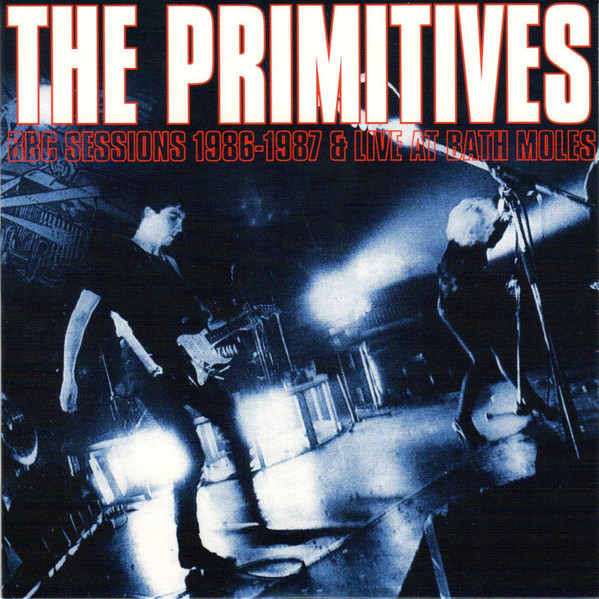


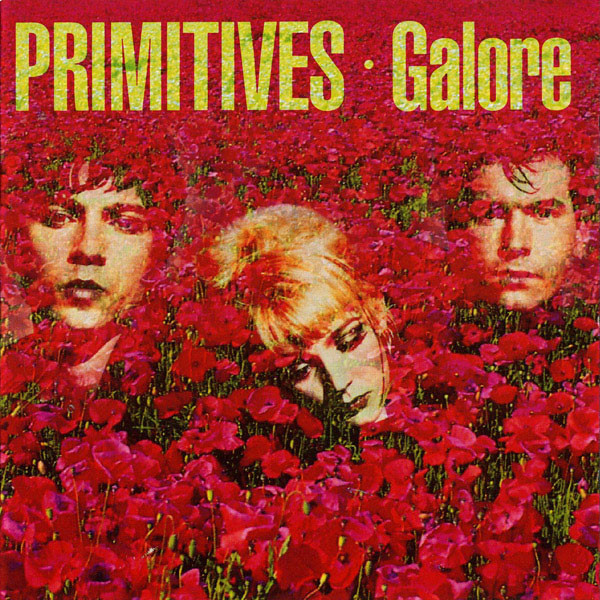


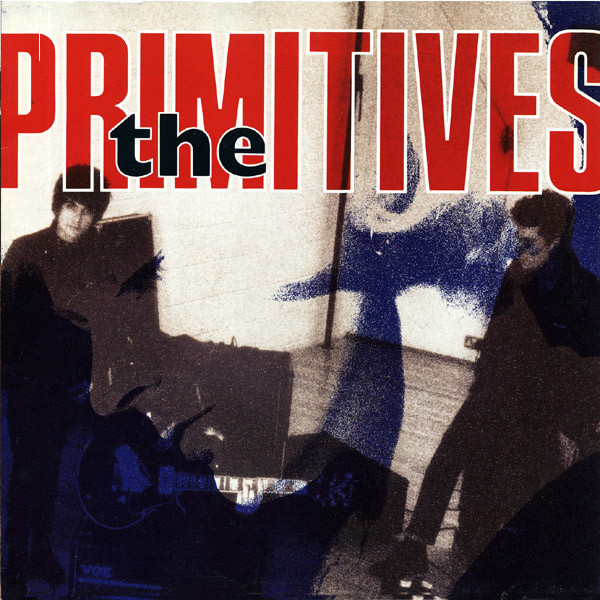



 The Chasbah