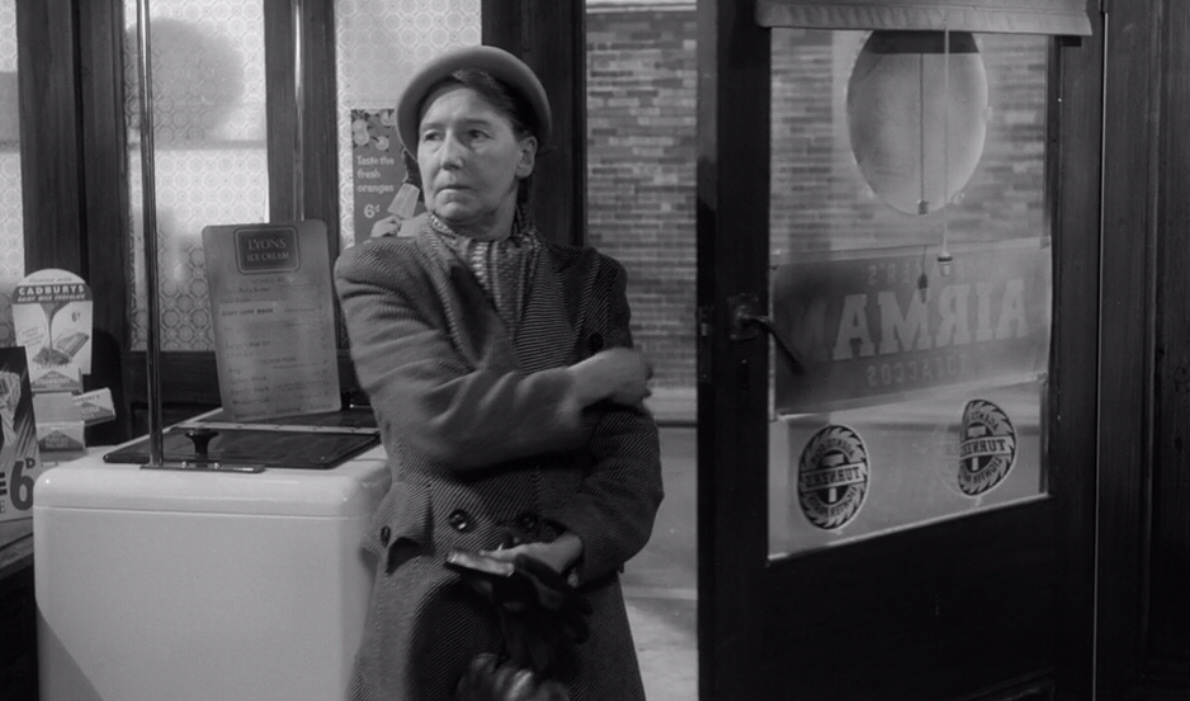
Doctor X (1932, dir. Michael Curtiz)

⭐️⭐️
52-week film challenge, film 36

Normally when someone says “wanna watch a pre-Code horror movie from the early 1930s during October?” I’d be all-in. I’m disappointed to report that I’ve finally found one that, despite a few good things going for it, completely wastes its potential.

The good things first: Doctor X has a mostly-stellar cast, including Lionel Atwill, Lee Tracy, and Fay Wray. It’s in a sort of colour (more on this in a moment), which was rare for 1932. The sets are wonderful, complete with an eccentric mad-scientist lab — that oddly doesn’t belong to the mad scientist — and some downright neo-German Expressionism moments.

At the core of this movie is a plot that involves ritual murder and partial cannibalism — so yes, it’s a pre-Code horror movie all right. Despite this, almost none of what is lurid about this tale is actually shown, there’s an endless amount of talking about doing things before actually doing them, and the “comedic” element meant to lighten the tone is just irritatingly jarring, and completely amusement-free.
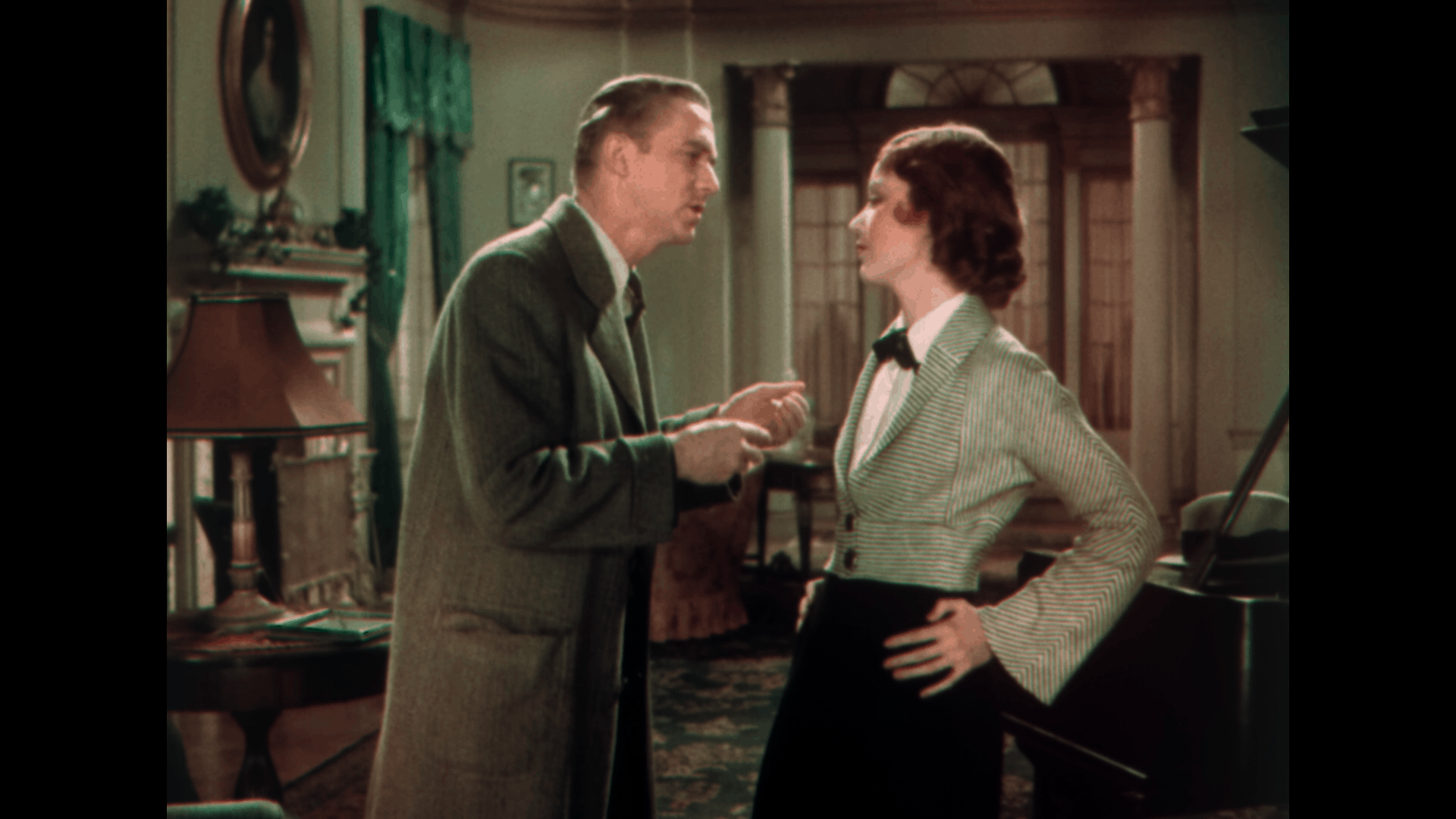
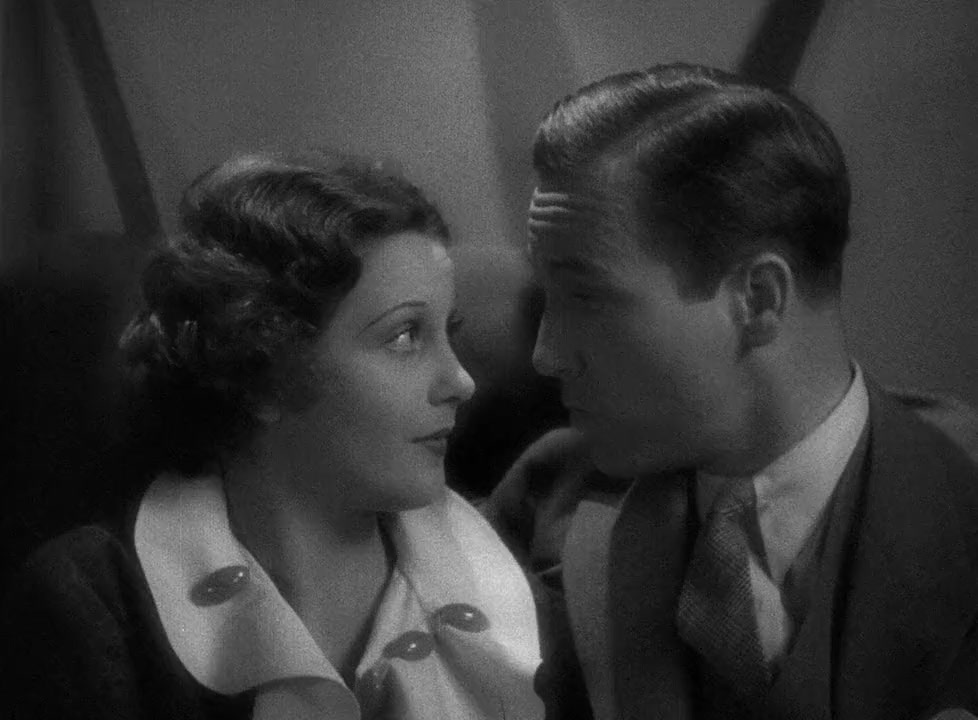
Intrepid reporter Taylor, caught burgling, tries turning on his nonexistant charm.

This film gets one star just for its cast, though many of the players seem off their A-game at times, occasionally having to correct their own lines as though the cost of the color filming was too expensive for second takes. It only gets a second star because the film is simply gorgeous to look at, with great sets, Max Factor makeup (!!), and the novelty of colour.

Well, as I say, sort-of colour — not quite full colour, but rather the third “process” used for two-colour Technicolor (often and incorrectly referred to as “two-strip” Technicolor). This is the same process used for the later, and more famous (but also not great) Michael Curtiz horror film, Mystery of the Wax Museum (1933).

Without getting too technical about it, anything red or green really stood out, and the filmmakers played that up here, but oddly not with blood as much as one might expect. The plot of the film belies its origins as a stage play: a handful of key sets, lots of talking, very little action.

I’m still left wondering why the movie is even called Doctor X — since the lead character, Doctor Xavier (Atwill), is not the title character, the mad killer (and that’s not really a spoiler). I suppose its because it is meant to keep you guessing who the villain is, but I picked him out around the halfway mark, and only stuck around to get the inevitable explanation of how he kept his true identity secret.
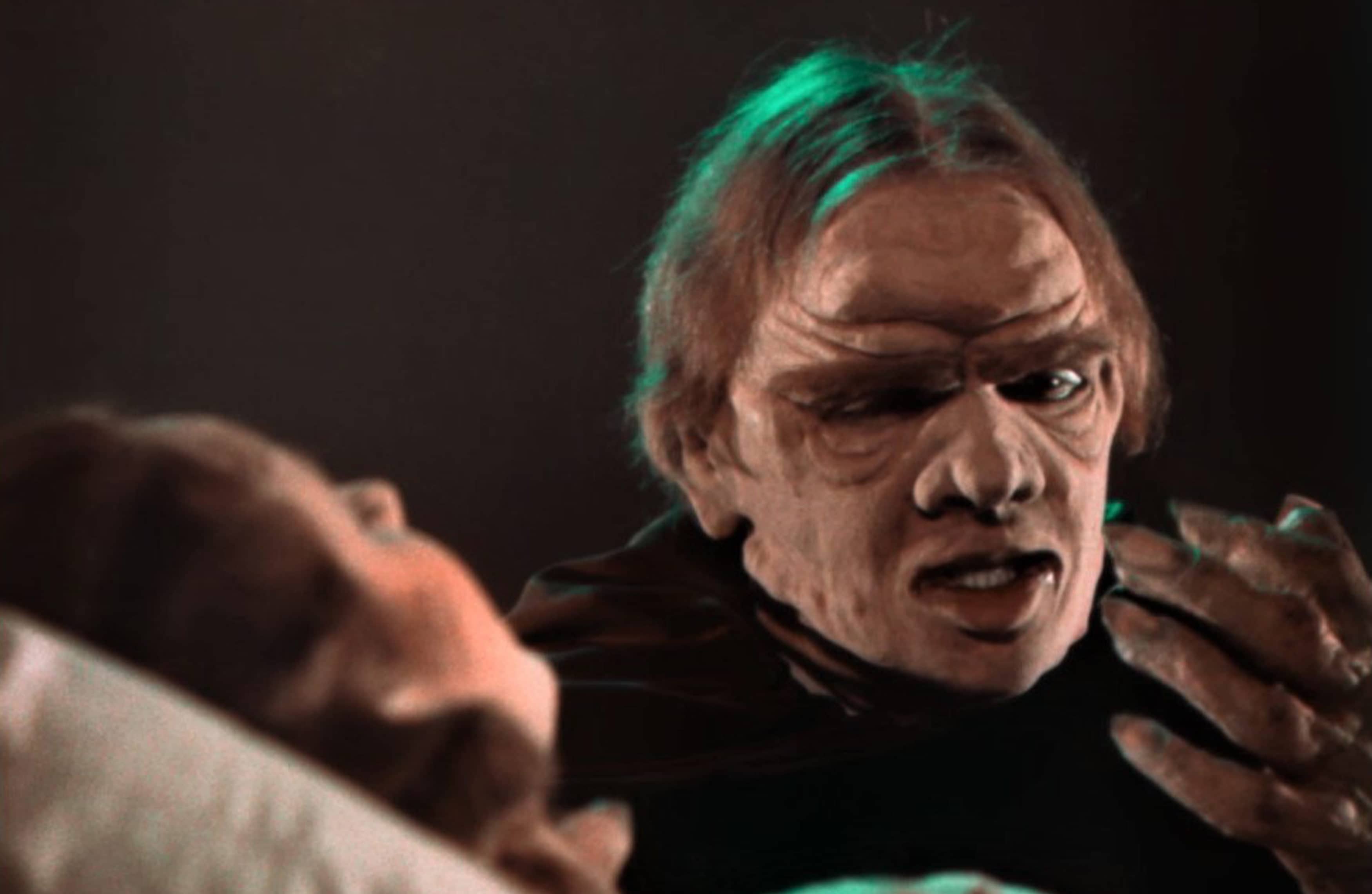
In the film itself, the series of murders that only happen under a full moon and involved a partial cannibalisation of the body means the police (and the press) refer to the murderer as the Moon Killer, which really would have been a better title. As the film opens, we find a curiously aggressive but determined reporter, Lee Taylor (Tracy), trying to find new leads on the story of the killer by quizzing police.

When that doesn’t work, he gets wind of a new victim being delivered to the morgue, and sneaks in and hides as another body in order to overhear what the coroner, police, and Dr. Xavier (called in to consult on the body) have to say. The police put the screws to Xavier quickly, pointing out that all the victims have been killed and mutilated using a special kind of scalpel found only at Xavier’s medical academy.

Xavier, fearing bad publicity that could ruin the school, persuades the police to let him conduct his own secret investigation first for the next 48 hours before telling anyone — especially the press — about this direct connection to the killer. They very reluctantly agree, and Taylor has gotten his scoop, but he also withholds some of it from his editor to see where this is all going to go.

Dr. Xavier, knowing that the scalpel connections means that the killer is one of his own colleagues, tells the other doctor/instructors of the academy of this, and arranges an experiment to determine who the killer might be — not even ruling himself out. The only doctor of the group who is pre-cleared is Dr. Wells, because he only has one hand and the killer clearly has two, and thus Wells stands in for Xavier in actually running the experiments.

Meanwhile, in the process of breaking and entering into the academy and also trying to steal a few photographs for the newspaper to use, Taylor is caught by Xavier’s daughter Joanne, thus setting up a later romantic angle — after all, how could she resist a jerk and petty criminal she caught ransacking her home in the name of a scoop?

Down in the basement, Xavier starts his investigation by having all the doctors but Wells sit in special chairs (including himself), where fantastic electrical equipment will record each man’s heart rate while they witness a staged re-creation of the last murder, using Xavier’s butler and maid to play those parts. At the height of the very Frankenstein-like electrical show, just as the readings are to reveal the killer, a blackout occurs.

Literally the killer accidentally reveals himself in this scenem, but everyone is too dumb to notice.

When the lights come back on, the doctor whose pulse was the highest, Dr. Rowitz, is found murdered by a scalpel to the brain. Later his body is discovered to have been partially cannibalised — so the killer is obviously in the room! Dun dun DUNNNNN!

While a second experiment is arranged where the suspects will all be locked down this time (except, again, Wells), we spend way too much time following up on the efforts of Taylor to romance Joanne — which slowly begins to win her over. Because that’s how you handle obnoxious jerks who might ruin your father’s academy in the 1930s apparently. Men really could behave badly back then, and still be seen as “the hero.”
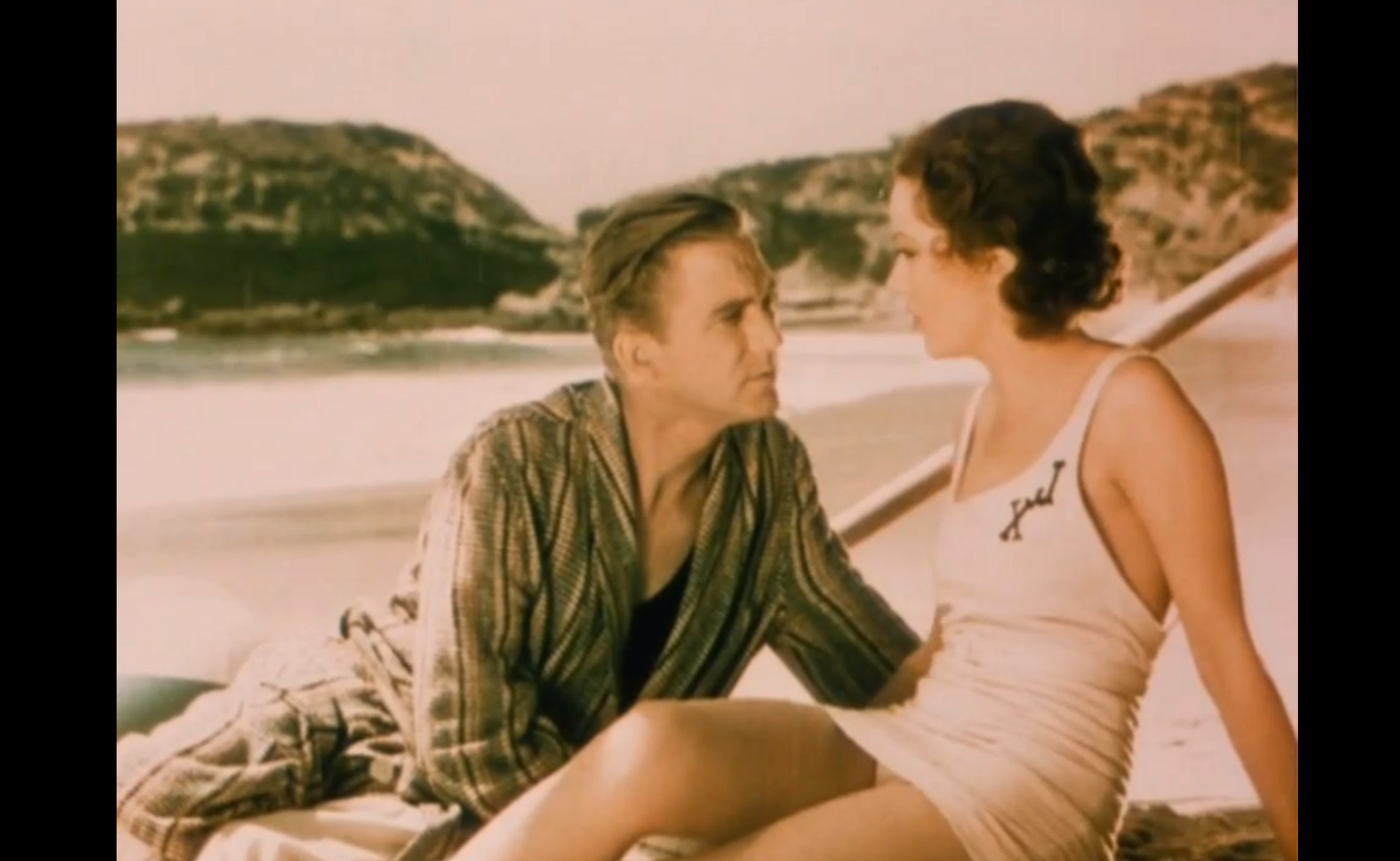
What she sees in unfunny jerk Taylor, other than he’s the first man she’s not already met in this movie, I’ll never know.

We do also see that the maid and butler are getting kind of creeped out by the events, and that the police are putting even more pressure on Xavier to find the killer. We also get lots of “funny” shots of the actual killer lurking around the house, almost but never quite getting his hands on Taylor, which is a damn shame.

After the maid refuses to participate as the victim in the second staged murder recreation, she is actually killed by the killer. Under this cloud of tragedy, Joanne steps up to play the victim role, which puts Xavier on edge, but he has no options left.

With everyone strapped in, the recreation begins again, and without spoiling things we’ll just say that the killer reveals himself by entering a secret laboratory, where his disguise method is seen by us, and then he tries to kill Joanne. Finally, Taylor has a genuine heroic moment and stops the killer, since the other doctors are restrained, and the killer meets his gruesome comeuppance.

Doctor X is woefully short on any real tension (because those moments keep getting defused by Taylor’s pratfalls and dumb luck), and as a whodunnit it probably came off as fresher in 1932 than it does now. The film is only an hour and 16 minutes long, but seems to drag in places — especially the “comedy” moments.

To borrow and paraphrase a quip from another reviewer: if you love film history, the significance of Doctor X means you sorta have to see it. If you love movies for how they make you feel, you should skip this one.

“What’s that, Taylor? You’ve committed numerous misdemeanors to get the story, and you might get a date out of it? Okay, I’ll hold the presses for ya!”

Phantom of the Paradise (1974, dir. Brian de Palma)

⭐️⭐️⭐️1/2

52-week film challenge, film 35

This review is dedicated to Don Smith, a recently-deceased podcaster on one of my favourite podcasts (Watchers of the Fourth Dimension), who loved this movie.

The early 70s covered a lot of cultural ground, but one of the weirder cul-de-sacs was the emergence of the Rock Opera, in which pop composers attempted to Do Something Meaningful by combining multiple rock songs into a (sometimes semi-) cohenent plot line. The form began in either 1968 (with S.F. Sorrow by The Pretty Things) or 1969 (The Who’s Tommy), depending on who you ask.

It hit big first with Jesus Christ Superstar in ‘70, Bowie’s album The Rise and Fall of Ziggy Stardust and the Spiders From Mars in 72, and the original stage production of The Rocky Horror Show in ’73. Movies of some of these efforts followed on, peaking in the mid–70s: Jesus Christ Superstar in late ‘73, Phantom of the Paradise in ‘74, and arguably the most successful examples, The Rocky Horror Picture Show in ‘74 and The Who’s Tommy in ‘75.

Of these films, all but one was a well-polished and long-running stage musical, and it was Phantom of the Paradise. In my view, it is less successful as a rock opera because of this — but on the other hand it borrows liberally from two great sources: the 1909 novel and 1925 classic film The Phantom of the Opera and Lon Chaney’s memorable performance, and of course Faust.

Brian De Palma’s second commercial film, seen now, will remind people of Rocky Horror in some ways — over-the-top camp, rollickin’ rock music, and the eccentric camerawork. It’s an amusing movie, particularly as a parody of Faust (and for pre-Muppets Paul Williams) but the humour is probably boosted if you are already enjoying some recreational substances, as people surely did at the time this came out. There’s no doubt in my mind that De Palma saw Rocky Horror on stage, and spotted the future filmic potential, though I’d love to verify that.

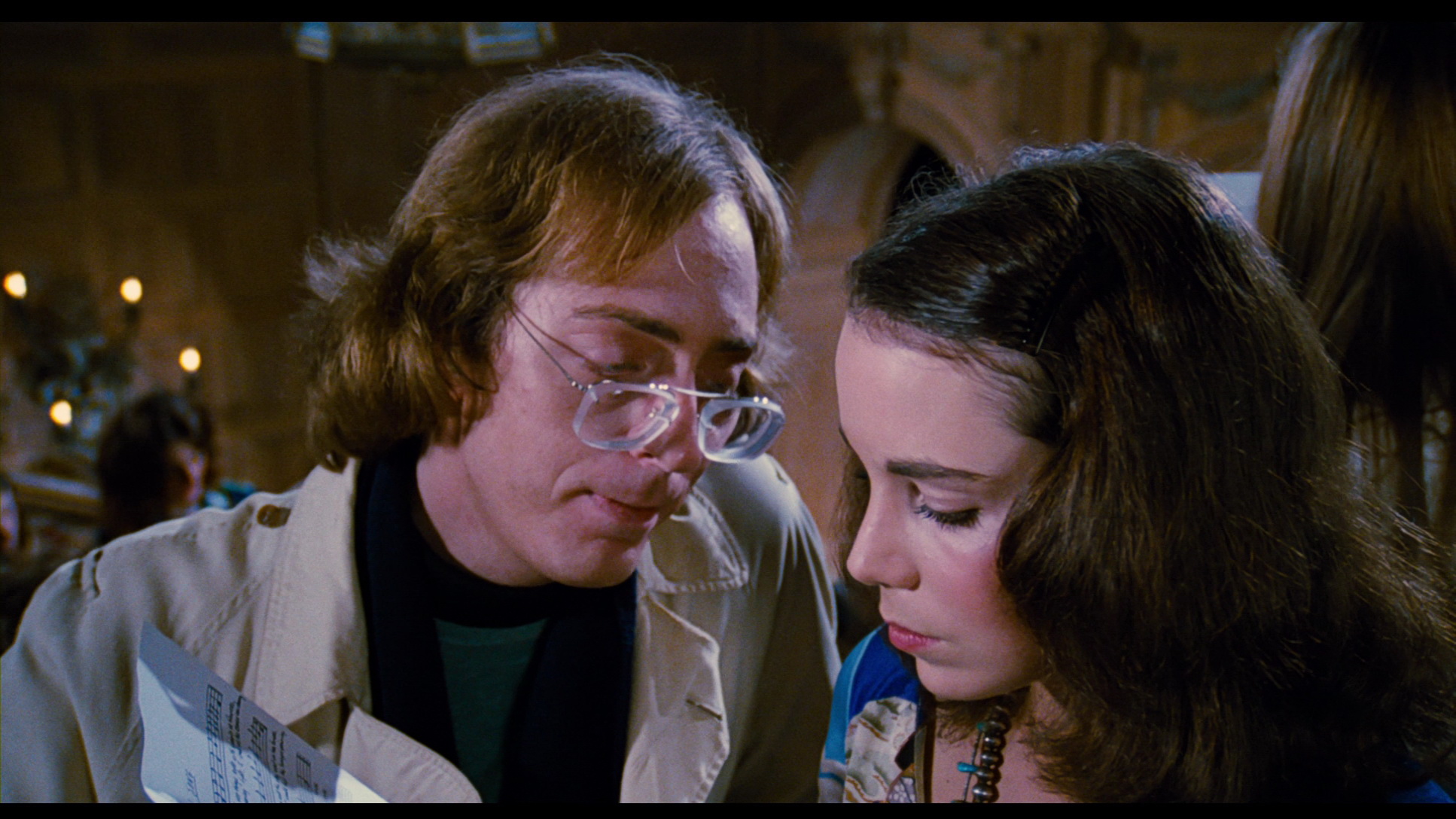
Winslow, soon to become the Phantom, and Phoenix.

The plot, basically: a singer-songwriter named Winslow Leach (William Finley) creates a cantata based on Faust, and this gets heard by a rich record producer named Swan (Paul Williams). Swan thinks the cantata will be perfect for the opening of his new concert hall, and has his henchman Arnold Philbin (George Memmoli) steal it.

Leach, expecting to hear back from Swan, makes repeated attempts to get back in touch but keeps getting thrown out. On one of these visits, he hears Phoenix (Jessica Harper) singing a portion of his work and falls in love.

This time, Leach is framed for drug possession, is sent to prison for life, and has his teeth forcibly replaced with a steel set. A few months later, he hears that Swan’s band The Juicy Fruits have covered part of his music, goes berserk and escapes prison, breaks into Swan’s record-pressing plant as is severely disfigured when he falls into one of the record-pressing machines.

Yes, various tricks are used to keep Paul Williams’ actual (lack of) height obscured.

Seeking revenge, he breaks into the Paradise club itself, hiding in the costume department and finding a stylish silver owl mask and cape to complete his transformation into the Phantom (these bird metaphors are already laid on kind of thick). He hears the Beach Bums (formerly the Juicy Fruits) rehearsing a reworked version of his music and nearly kills them all, which attracts Swan’s attention.

Swan tracks Leach down and proposes a deal: finish the cantata and record it in a custom built recording studio. Swan gives Leach a voice box to (kind of) replace his destroyed vocal cords, promises that Phoenix will be the lead, and makes him sign a contract in blood.

The Phantom and Swan are the original frenemies.

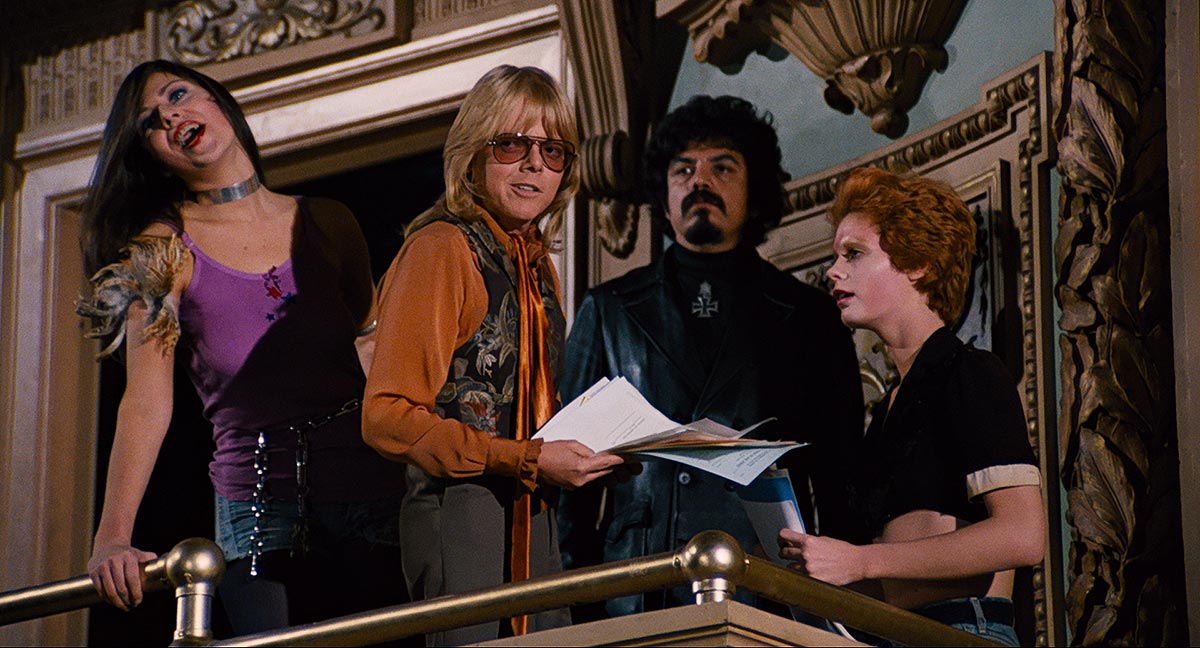
Leach completes the cantata at the point of exhaustion, allowing Swan to steal it and replace Phoenix as the lead with (I’m not kidding) a glam rock prima donna named Beef (Gerrit Graham). Swan orders the studio sealed up with bricks.

Leach recovers, and in a fit of adrenaline smashes his way out of the bricked-up exit, makes his way to the Paradise, and confronts Beef in his shower, threatening him not to perform the lead.

If this image looks a bit familiar, you might be a film buff.

Beef agrees, but is forced by Swan and Philbin to return and perform for the rehearsal. Leach’s Phantom is in the rafters, and when he see this repeated betrayal he sends a neon lightning bolt down, which fries Beef.

Beef.

Philbin, understanding that the Phantom is behind this, promotes Phoenix to do the next song, and — surprise! — everyone loves her, including Swan. Swan promptly begins seducing Phoenix, and the Phantom tries briefly to warn her, but she is panicked and doesn’t recognize Leach.

Later, the Phantom spies on Swan and Phoenix as they prepare to make love. He tries to kill himself out of despondence, but Swan appears on the roof to tell Leach he cannot die until Swan dies because of their contract. So Leach attempts to kill Swan, but Swan points out that “I’m under contract too,” explicitly revealing he made a pact with the devil 20 years earlier to stay eternally young.

Swan announces to the press that he and Phoenix will marry during the finale of his production of Faust. Leach realizes that Swan plans to have Phoenix assassinated as the wedding concludes, as she has also signed a blood contract with him. He goes to Swan’s vault, destroying the tapes and Swan’s filmed and blood-signed contracts, then hastens to prevent the assassination during the wedding.

Because of this, Swan is starting to deteriorate, and dons a mask for the wedding. The Phantom, arriving just in time, swings onto the stage, removes Swan’s mask, and stabs the now-vulnerable Swan again. As a result, they both are now dying, but the now-saved Phoenix finally sees who the Phantom is, and stays with him as he dies.

So yeah, pretty convoluted, with a little “Picture of Dorian Gray” thrown in for good measure. It’s very well-shot in most places, with a bright colour palette and some fish-eye shots and other moments that remind me of A Clockwork Orange.

The Juicy Fruits (the best-sounding incarnation of this band)

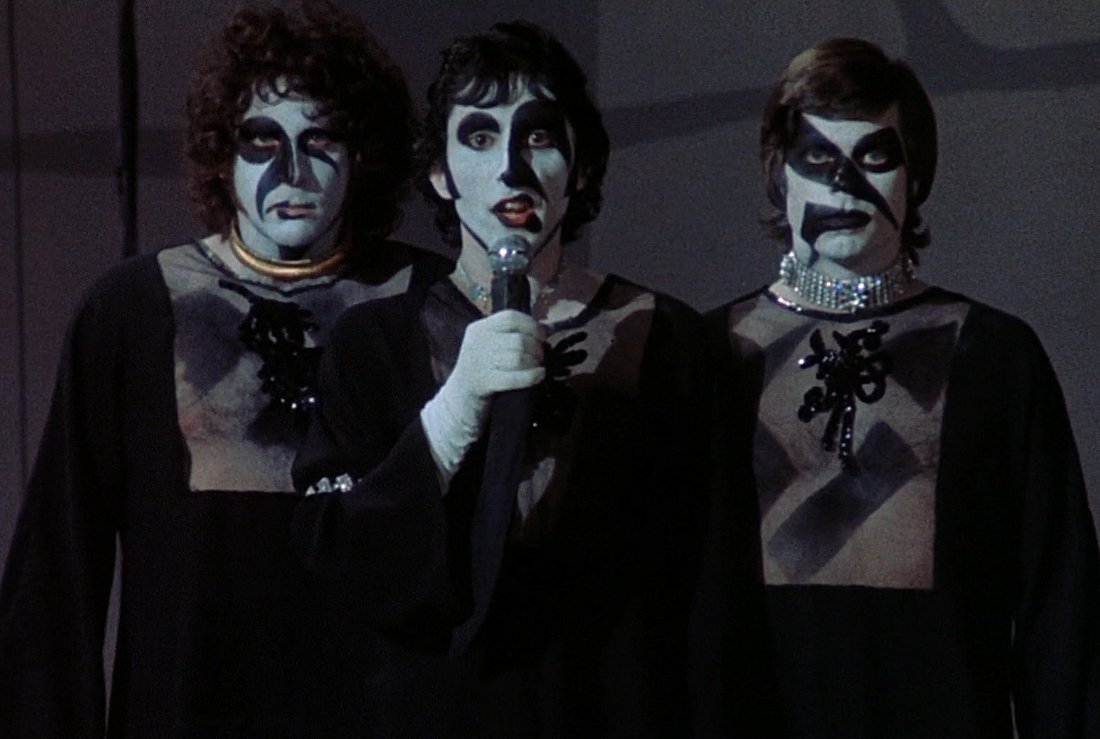
Williams wrote all the music, and performs as the Phantom’s singing voice, and it should be mentioned that the staging of the actual in-film Faust is a glorious tribute to The Cabinet of Doctor Caligari, with the Juicy Fruits/Beach Bums now performing as goth-y Greek chorus The Undead. I should mention that Williams’ songs are not at all bad, but as catchy as they are (at times), they never hit the level of “memorable” the way the aformentioned started-as-a-stage-musical songs do.

As a horror/comedy/drama, it kind of works, but it’s a stew with too many ingredients in my view. Luckily, the film improves as it goes on, and the ending is really very satisfying.

The Juicy Fruits become the Beach Bums …

I can see why some people love this film, as it is as bombastic, in-your-face and over-the-top as a rock musical perhaps should be. If it had been polished and honed as a stage show first, I have little doubt that I’d love it like that as well. By the way — why hasn’t this film gotten a proper stage treatment yet?

Rocky Horror, which came out a year later, is frankly a better example of a sex/drugs/rock musical on film on every level. That said, Phantom of the Paradise has its charms, and remains an upstanding denizen of the “midnight movie” genre.

The Beach Bums become Kiss (actually, The Undead)!

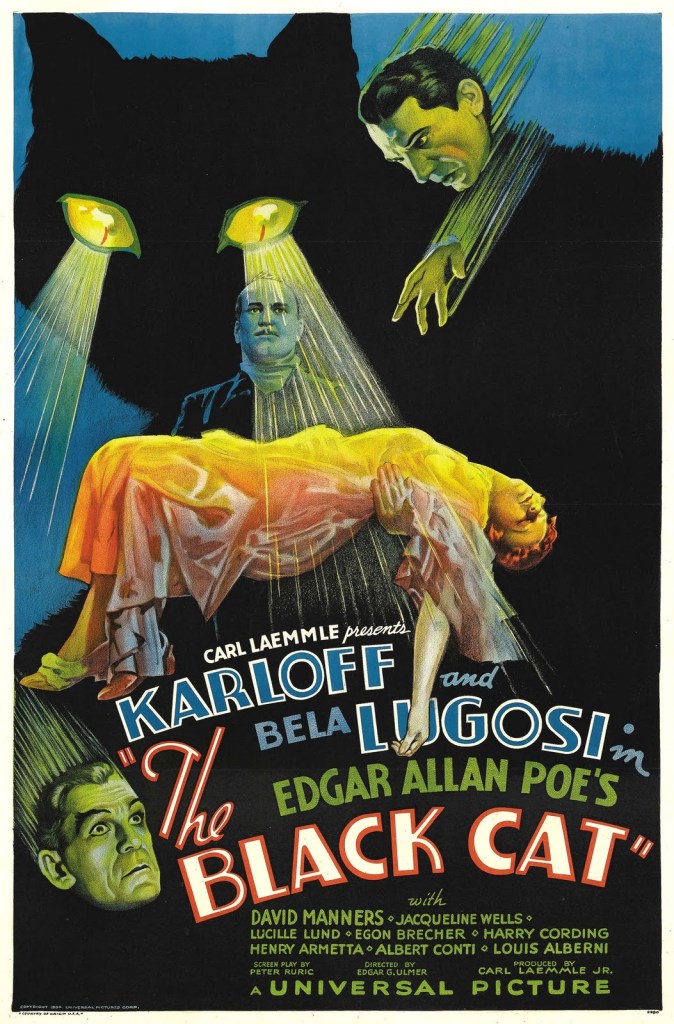
The Black Cat (1934, dir. Edgar G. Ulmer

⭐️⭐️⭐️⭐️½

52-week film challenge, film 34

Note: this is a 20-anniversary, “remastered” version of a review I initially did for my film blog back in 2003, but I did indeed watch the film again on October 2nd, 2023 to refresh my memories for this new version.

As I publish this, it is the beginning of October and the season of the witch, so if you are seeking a slow-burn horror film absolutely brimming with style — this may well be the most Neo-Expressionistic/Art Deco horror movie ever made — starring two absolute legends of horror in unconventional roles, have I got a great movie for you.

I think I first saw The Black Cat when I was about 12, and I’m sure it was one of those that played a role in my lifelong interest in highly-styled architechture and design in films.

At that age, parts of the film were indeed scary, but it was all too weird and mesmerising for me to take my eyes off of it. When I reviewed it again from my own film blog in 2003, the exterior model and interior sets of Dr. Hjalmar Poelzig’s house was the second greatest thing about it, the first of course being the first time I’d seen Karloff and Lugosi acting together without monster makeup.

The third thing about this movie is its incredible time compression. Despite some glacial pacing in some scenes between the two leads, there is plenty of action, especially near the end, and the film packs in necrophilia, satanism, murder, double-crosses, torture, the horrors of war, an undead black cat, secret vaults, and so much more into a film that astonishingly runs only one hour and four minutes.

The film makes numerous references to World War I, but the set design and intentional cruelty (not to mention its unusual setting of Hungary) also act as a prescient forerunner to World War II in some ways. The (black) cat-and-mouse game Lugosi’s Vitus Werdegast and Karloff’s Poelzig play might be seen by some as slow, but the tension between them is delicious.

The basic plot is, at its core, Standard Horror Plot #17: two “perfectly ordinary” strangers meet mysterious character on a train, who happens to be going to the same place they are; incident ensues, so mysterious character offers his new friends shelter at nearby house of arch-enemy; sufficient weirdness starts right from that moment and gets darker and weirder until “happy?” ending.

In this case, the couple is Peter (David Manners) and Joan Allison (Julie Bishop under the stage name of “Jacqueline Wells”), the mysterious (and intense) stranger is the kindly but creepy Bela Lugosi (Werdegast), and the mysterious mansion is the home of Karloff (Poelzig). I should mention that Werdegast has a hulking manservent named Thamal (Henry Cording), who pretends to be Poelzig’s servant.

Joan, who has been injured when their bus (from the train) goes off a cliff, is attended to by Werdegast, but from the moment Karloff (and his geometric hair) appears, the tension and complexity of Werdegast and Poelzig’s relationship just builds and builds. They talk a lot, but don’t say much — their eyes, wardrobe, and silences say a lot more.

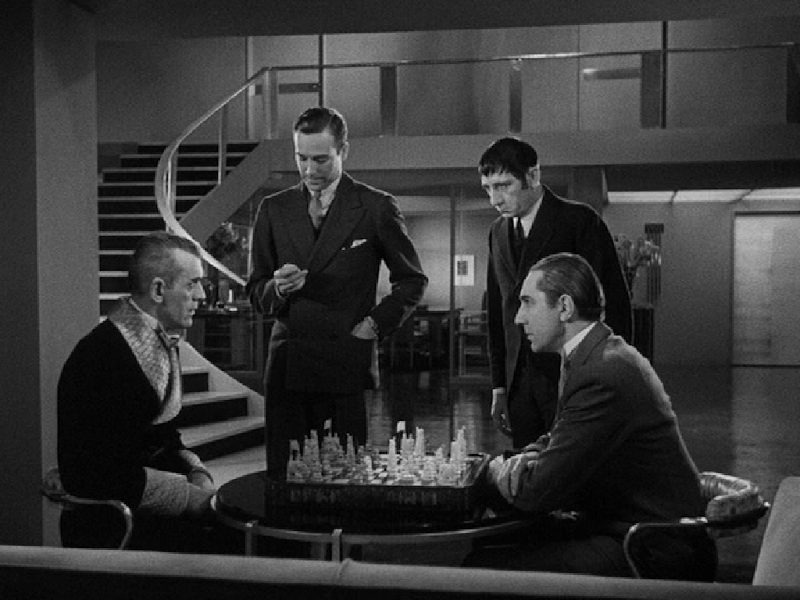
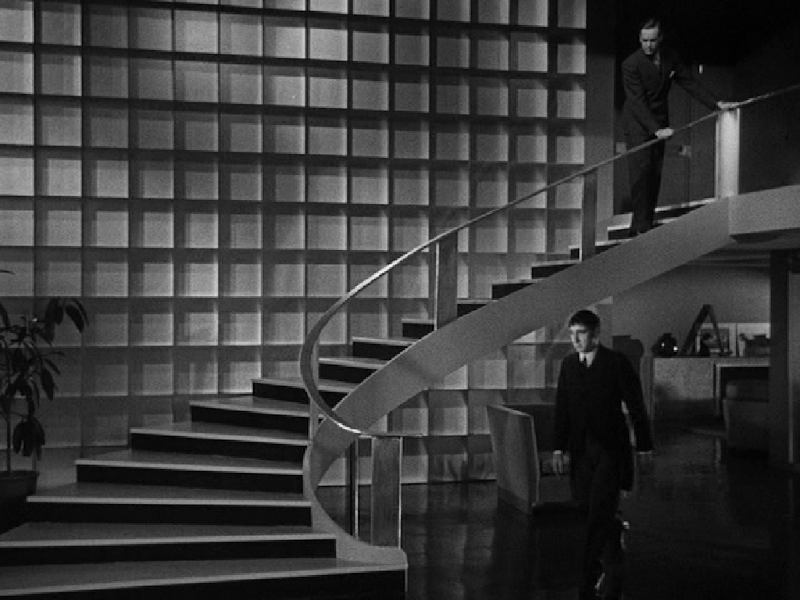
And the house!! For an architecture fan like me, the exterior model shot, taken straight out of Frank Lloyd Wright’s dreams, was a thrill. Then, to see the perfectly art-deco 30s interior sets, looking as minimalist and futuristic as 1934 can manage, still astounds and impresses. Poelzig looks completely at home, which is not to say that he ever looks relaxed or comfortable but rather to say that his appearance and wardrobe complement the rooms perfectly.

An important element I missed on earlier viewings of the film is that the house is built on the ruins of a World War I battlefield they both participated in. Werdegast was taken prisoner and spent 15 years in jail, while Poelzig spent the time seducing first Werdegast’s wife and then, when she died, his daughter (yeah, the creep-o-meter just went to 11).

Like the chess game the two men play for control of Joan (Werdegast wants to set them both free, Poelzig has other unnamed and probably unspeakable plans), every interaction between the two is the clash of two opposing forces who both like and hate each other. Incredibly, Werdegast is the hero of The Black Cat, but his fatal flaw is revealed early on: he has a nearly psychotic fear of cats.

When one appears in Poelzig’s house, Werdegast grabs a knife and throws it to expertly kill it. Other black cats (or maybe the same one, as Poelzig makes reference to a cat’s many lives) appear in the film, but the amazing thing is that Werdegast kills a cat right in front of everyone, but nobody seems to think anything of it. This is the only real link to Poe’s work in this movie.

What makes this movie stand out from the thick river of horror movies produced around the same time is that so much of the actual horror is understated or imagined rather than actually seen by the viewer. If it weren’t for the gorgous costumes and sets, this film would be as close to a radio play as a horror movie could get!

My god, this house!

Stripped of their usual arsenal of makeup, Karloff and Lugosi rely on their great chemistry to light up the set, in this — the first of eight films where they appear together. The architecture of the house and interior sets are so stunning (have I mentioned this already?) that it should get third billing, behind Karloff and Lugosi but ahead of Manners and Bishop. As another reviewer noted, “architectural nuts probably rent this movie as architecture porn. The house is that cool.” She’s absolutely right.

Once Poelzig is revealed as a Satanist who has designs on Joan for a sacrifice, the film’s action finally kicks into high gear. Unlike the stage-y verbal jousting of earlier, Werdegast — who every so often says he is “biding his time” for his revenge” — now has to make good on that threat, and quickly.

Well hello, pre-Code 1930s creep-a-thon!

The climax, in which Werdegast “wins” in the sense of triumping over Poelzig is really quite stylish and stunning, but even in shadow, Werdegast’s delight at inflicting torture on Poelzig is a little tough to watch, even 90 years later. The newlyweds, which everyone stopped caring about 30 minutes ago, escape with their lives — which any viewer of The Rocky Horror Picture Show will have seen coming a mile off (and that’s is not the only influence The Black Cat had on Richard O’Brien’s little moneyspinner).

While this movie has some issues of its own — I’m still trying to figure out what an all-American couple like Peter and Joan are even doing in postwar Hungary, the delicious slow-burn and the stars’ chemistry make this pre-code horror movie a time capsule of incredibly beautiful horror like nobody has made since. If you’re ready for something off-beat, classic yet wonderfully dated, comic in spots and scary in a psychological way, you are ready to cross paths with The Black Cat.

The “floating women” effect of Poelzig’s victims is just mesmerising.

Blitzed! The 80s Blitz Kids Story (2020)

(Dirs. Bruce Ashley and Michael Donald)

⭐️⭐️⭐️⭐️

52-week film challenge, film 33

I love documentaries, but not many of them get a theatrical release (this one didn’t either, apart from a debut screening in London) so I haven’t included them thus far in the Film Challenge, but this one touches on a topic near and dear to me. The New Romantic movement was not the first musical statement of my generation — that would of course be Punk — but it was the one that resonated more deeply than any other before or since.

Blitzed! is a reflective look back on the key movers and prominent regulars who came together in 1979 originally in celebration of the glam-rock period and then-current resurrection of David Bowie, creating a much-needed escape from the UK’s Winter of Discontent the same year. The doc spends its first 10 minutes talking about the nadir (now coming around again, ironically) of England under the heartless Tories and austerity programs of Margaret Thatcher.

Strikes and decay against her and her parties’ cruelty, particularly affecting young people who saw “No Future” and “Anarchy in the UK” going from being songs to being ways of life, created a bleak reality of poverty and hopelessness. And then, there was A Moment: on a BBC performance of “Starman,” the now-androgynous Bowie turned to the camera and sang the line “I had to call someone so I picked on you-oo-oo” and pointed directly into the hearts and minds of his pre-teen and teen fans.

It hit like a divine mission sent from above, and inspired everyone who was watching who felt out-of-place and not like the masses to dedicate their lives to becoming Bowie acolytes in thought, word, and deed. Just five years later — now young adults and with no future in sight — the kids made their move, inspired by Bowie’s radical changes in his music in the intervening years to follow his lead, and break out of their desperate lives and redefine who they were … and could be.

A batch of young creatives around London, led by Steve Strange (best known for the resulting band visage) and Rusty Egan (Rich Kids, Visage, Ultravox, Skids, and many others of that era), created a club where the mantra was anything other than the “desperation fashion” of Punk. It was just a little club in Covent Garden, but it became a safe house, a church, and portal to another world, fueled by both Bowie and the emerging bands he influenced.

The Rich Kids, Midge and Rusty’s first band (with former Sex Pistol Glen Matlock, right)

The documentary consists mostly of photographs and the occasional movie clip of the club and its patrons in their “denying reality” finery and makeup, and interviews with some of the more prominent members of the group (minus Strange, who died in 2015). Starting off with simple “Bowie Nights” in ‘79 at a pub called Billy’s, the movement quickly outgrew the space and moved to an existing wine and cocktail bar already called Blitz.

As the influence of the club’s new direction spread, musicians made up of club regulars created new bands, or existing bands redirected to capture the spirit, inventing a branch of synth-heavy New Wave music that has, like the club goers themselves, never really fallen out of fashion.  It was often framed as the antithesis of Punk, but that was a common misconception: it was more an unconscious political reaction to the bleak reality of the times by escaping into a created world where style and creativity could thrive.

Over and over again, we discover in the film that the Blitz Kids (as they came to be called) have since established careers in the arts (like the band Spandau Ballet, whose first gigs were in Blitz) or complementary and aesthetically-pleasing related fields, such as milliner Steven Jones or costume designer Michelle Clapton. Egan, the club’s founder and DJ, and Strange, the club’s notorious doorman and taste-setter, themselves went on to fame in the band Visage, assisted by Ultravox’s Midge Ure and others to create a kind of declarative musical statement of the mindset of the Blitz Kids.

Ure, along with musicians Andy Polaris, Egan, Gary Kemp, Boy George, Marilyn, and other notable “faces of the 80s” are interviewed, and had careers that lasted long after Blitz closed. Though the club itself was short-lived (though followed by a couple of further attempts, including the Club for Heroes), the aesthetic’s “flambouyancy” and queer-eyed DIY attitude spread far and wide, including hitting the United States and elsewhere throughout the early 80s.

George (left) and Strange (right) on the town

The doc also spends time with the notable but less-famous regulars, like Princess Julia (still a DJ to this day), Jones, Steve Dagger (Spandau Ballet’s manager for the last 40+ years), Robert Elms (writer and broadcaster), and others — all colourful characters with remarkably clear memories of their time at Blitz. Because of its style, the club was also, among other things, a haven for both impoverished straight kids who raided thrift shops for stylish gear while barely-existing in fetid squats and dead-end jobs as well as outcast LGBTQ+ youth — everyone of every race or creed was welcome, as long as you looked good and loved the music.

The club itself eventually fell apart because of drugs, especially heroin, but at its peak the club was a drug — and the best party you’ve ever been to, and I know that firsthand — thanks to a very brief London visit at just the right time, some borrowed clothes from a friend, and sheer dumb luck. I can confirm that pre-fame Boy George was working the coat check at the time, and that if you were 18-21 it was like you died and went to heaven — everyone was stunningly beautiful, the cocktails were deliberately cheap, and the music was fantastic.

Midge Ure of Ultravox

From my few hours there, I returned to my home in Miami a very changed lad (in both good and bad ways). As for the documentary, its only serious fault is the paucity of photos and footage of the club the directors had access to.

More have since been discovered, some quite recently, but over its 90 minute runtime the sharp-eyed will spot re-used pictures and other repeated material. This shortfall is more than made up for by the excellent interviews with what I will jokingly call “the survivors,” who made the most of their early peak youth and, very often, carved out a life from the inspiration of Blitz.

Steve Strange, now the ghost in the (drum) machine

Egan, Kemp, and George provide some of the most insightful interviews, both setting up the historical setting as well as the highlights of their time in this alternate reality they helped create. The absence of any contextual interviews from other sources with the late Steve Strange seems like an huge opportunity missed, given how large his shadow looms over everything.

The women interviewed, particularly Clapton, Darla-Jane Gilroy, and Princess Julia provide incredibly valuable “colour commentary,” if you will, because they were among the most dedicated regulars. They come off as being a driving force in helping create and maintain the philosophy of creative refinement that demanded not just looking good, but experimenting with different looks, that Strange made into a challenge for wanna-be entrants.

Princess Julia and acolytes

The highlight of the interviews is the segment I’ll call “OMG the night Bowie came to Blitz.” As the raison d’etre of the club and its mindset, this was akin to actual Jesus stopping by your local church.

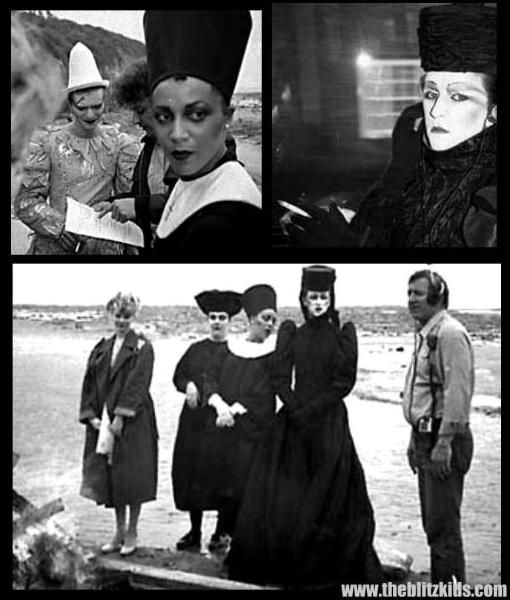
Not only did the great man seem to enjoy himself (Strange tried and failed to keep his presence a secret, as if that was possible), but he recruited four of the regulars (including Gilroy, who’s memories had to help make up for the lack of Strange’s recollections) to be in his very memorable “Ashes to Ashes” music video. You know this was the peak of Gilroy’s, Strange’s and all the Blitz Kids’ lives.

The “Ashes to Ashes” shoot. Top: Darla-Jane Gilroy (left), Steve Strange (right)

Overall, the documentary is an important artifact of a magical two-year-plus moment that really had a huge (and to this day severely underestimated) influence on the world, including music, art, fashion, makeup, the queer community, and so much more. As one of my last acts before I left Miami, I volunteered to help some college students set up a regular gathering of wannabe Blitz Kids, goths, and other teen outcasts at clubs for the same sort of fashion-show/dance hall — only this time it was the bands from Blitz we grooved to.

Suffice to say that if you were part of the New Romantic scene or just loved the bands that came from it, you will appreciate this documentary’s insights, no matter where you lived or who you were (or pretended to be) in 1980. If Steve Strange could have been more involved in this, it would have been flawless — but thankfully Rusty Egan, Gary Kemp, Boy George, and the Blitz Irregulars stood in his stead and paid tribute to Egan and Strange’s beautiful moment.

Inside the Blitz Club, Covent Garden 1981, by Dick Scott-Stewart. That’s Michelle Clapton, top left.

Godzilla ゴジラ (1954, dir. Ishiro Hōnda)

⭐️⭐️⭐️⭐️½
52-week film challenge, film 32

I don’t think I’ve ever seen the full Japanese version of Godzilla before, certainly not as an adult, but of course I’ve seen the Americanised “Raymond Burr” version — Godzilla: King of the Monsters! — a time or 10. Like many people, I climbed aboard the kaiju train as a kid, when all these great monster movies started showing up on TV on the weekends, so I caught most of them back then. TV stations at the time of course tended to show the later colour films which were more aimed at kids, so I don’t think I’ve even gotten around to seeing Godzilla Raids Again (1955) either, a grievous mistake that should be corrected soon.

The first Godzilla is most definitely not a kid’s movie: it is a lightly-abstracted but still powerful statement on the horrors of nuclear weapons, and a philosophical exercise pondering where Japan (and the world) goes from here. In this film, Godzilla is the spawn of the atomic bomb — and wreaks similar terror on Tokyo as the bombs dropped on Hiroshima and Nagasaki did, with incredible loss of life and property.

When the film was made, postwar Japan was still wrestling with the consequences of its own actions in WWII, just eight years earlier, as well as the devastating and overwhelming American response, which was to destroy entire cities full of innocent civilians (about a quarter million in total) — the greatest act of deliberate mass-murder had seen at the time, until the full horror of the Holocaust was revealed. The Godzilla creature in this first movie was intended to be seen as an utterly terrifying and unstoppable force, even though even I have to admit the face they gave it is … unintentionally kind of cute.

Hi kids! It’s your old pal, Godzilla! Don’t do drugs, and stay in school! See ya later!

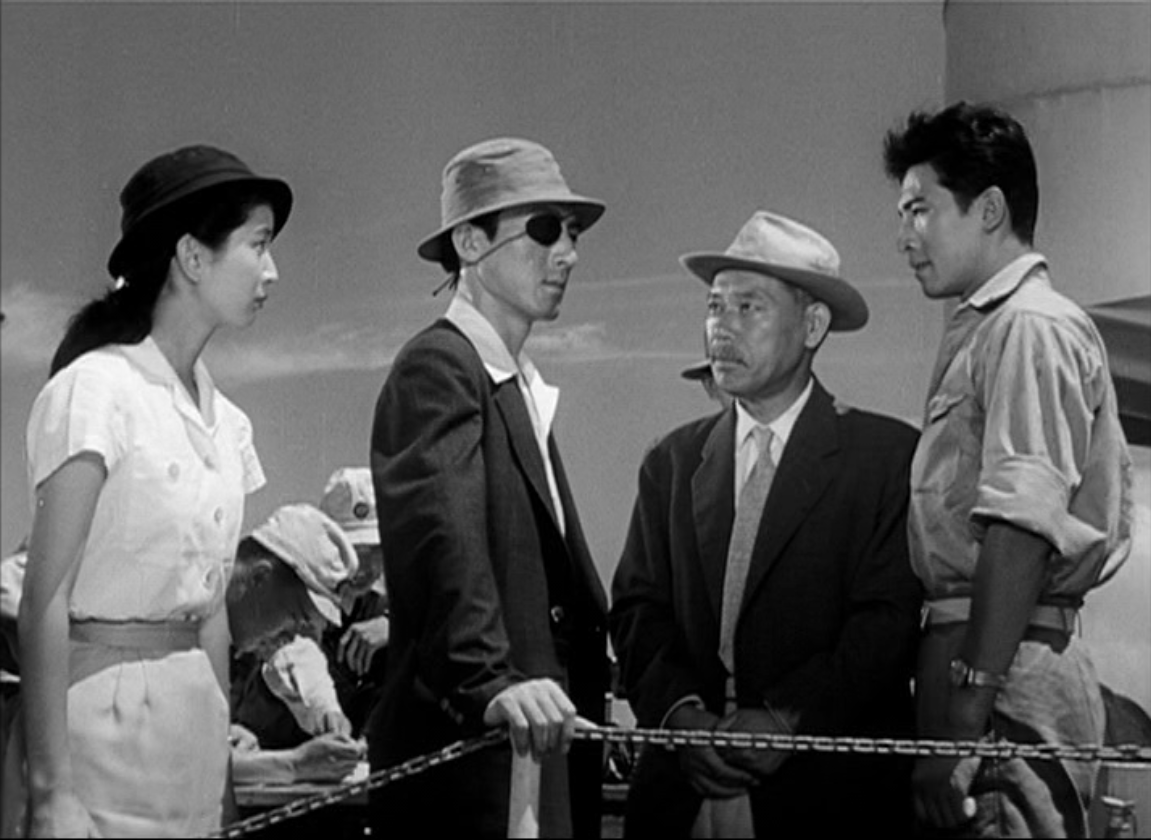
The B&W cinematography of Godzilla is terrific, and the cast are first-rate: from venerated actor Takashi Shimura (best known as the leader of The Seven Samurai, but also featured in Roshomon, Ikiru, Yojimbo, The Hidden Fortress and many more classic films, here playing the pacifist scientist Kyohei Yamane) to relative newcomer Akira Takarada (playing the hero role of Ogata), Akihiko Hirata as the anti-hero scientist Serizawa, and the radiant Momoko Kôchi as Emiko Yamane, Kyohei’s daughter — a role she reprised in her last film, 1995’s Godzilla vs. Destroyah. All the players, from the greatest to the smallest roles, are played with deep conviction and seriousness.

I will take an indulgent moment here to note my deep fondness for the fashion of the 1950s — everyone in the film looks fantastic, with the men in suits or lab coats, police and military in sharp uniforms, and Emiko in fashionable garments of the time, with everyone looking smart and well-groomed. It’s a reminder of one element of the world gone by I wish would make a comeback, even as I myself fail to adhere to it.

(L-R) Emiko, Dr Serazawa, Dr Yamane, Ogata

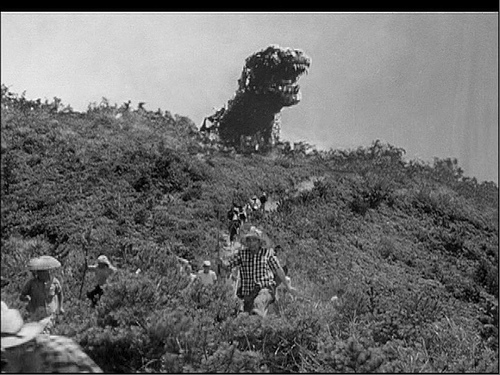
The compositing in the film should also be noted, as it is considerably above-average for the time. I caught only one moment in the film where the effect wobbled a bit — some power-line fortifications meant to stop Godzilla — but was otherwise nearly flawless. The moment when Godzilla’s head pops up over a mountain being approached by scientists is a perfect example: though it might be seen as amusing now, it was undoubtedly surprising and convincing in showing Godzilla’s scale early on in the film.

The analogy of the war that had recently devastated Japan couldn’t be more clear: while the authorities work feverishly to stop this new threat (also featuring lots of scenes of how Japan has rebuilt its civil defenses), nothing is effective against Godzilla. Dr Yamane is the lone voice calling for a less militaristic approach and for studying the creature, but doesn’t really have an answer on how to balance his wishes against the safety of the population. Emiko discovers that her other admirer, Serizawa, may have a way to stop Godzilla — but is too scared to use it, lest the secret of his super-destructive weapon fall into the wrong (or anyone else’s) hands.

This film has a lot of tension and conflict in it, with no comedic elements at all, and a lovely slow buildup of the conflict. Godzilla first attacks some ships at sea while remaining hidden underwater, eventually emerges to wreak havoc on land, and with no effective defense, the country is helpless as many are killed or injured (the scenes of attack survivors in hospital are pretty heart-rending), unveiling not only huge size and strength, but also “atomic breath” that incinerates everything on contact (oh wait, now I get it — Godzilla is the US!).

Emiko and her true love interest Ogata eventually convince the very conflicted Serizawa to use his “Oxygen Destroyer” technology to attack Godzilla underwater (also killing all sea life in the area), but you can see where the film is going from here — there is no solution without great tragedy and wasted opportunities. In the end (in real life, not the film), the point of view of Dr Yamane won out — Japan today strongly embraces nuclear power for its energy needs, but has shunned becoming a nuclear (weapon) power as you might expect, despite being surrounded by countries that do have nukes.

This film, thought of today as the start of the “giant monster movie” genre, was so powerful and effective in its analogy that it may well have helped convince the west to avoid using atomic weapons thereafter. The original Japanese version of Godzilla is a much darker, more thoughtful, and overall deeper film than the lighter, more entertaining genre it spawned, and was undoubtedly effective on both sides of the Pacific in its day. It was a serious attempt to illustrate the terror of atomic weapons — which thankfully haven’t been used since, though the world is still plagued with senseless wars.

The Raven (1963, dir. Roger Corman)

⭐️⭐️½
52-week film challenge, film 31

From the 50s and into the early 60s, Roger Corman was churning out hit-or-miss exploitation films and grind house movies. In 1960, having established a reliable reputation, he opted to do something a little different — making House of Usher based on the book by Edgar Allan Poe. The screenplay was written by Richard Matheson, art direction by Daniel Haller, and the film starred Vincent Price.

It was a critical and commercial hit, and thus the same team made another Poe-based film in 1961, The Pit and the Pendulum, and again it was a hit. In all, Corman made eight movies based on the works of Poe, with only one of them (The Premature Burial, made for a different production company) not starring Vincent Price, but rather Ray Milland.

When making Tales of Terror in 1962, the tale “The Black Cat” inspired Corman and his team to make a movie out of Poe’s famous poem, “The Raven.” In a signature move, he re-used the sets created for The Raven in his next film, The Terror (which was not part of the Poe Cycle, as the Poe-based films became known collectively). Once again, Matheson provided a script, Haller the art direction, and Vincent Price the lead — though this time, Corman brought in Boris Karloff as one of the villains, with Peter Lorre as a rival to both.

Because the segment “The Black Cat” in Tales was comedic in nature, Matheson and Corman opted to make “The Raven” a comedy as well. Although there are amusing moments throughout the film, the comedy largely falls flat because, in my view, Corman was, at least at this point, not competent at comedic timing.

Price plays Dr Erasmus Craven, a wizard and expert at “gesture magic,” who has rejected the Brotherhood of Magicians in preference to leading a quiet, nearly solitary life. His only company is his daughter Estelle (Olive Sturgess), and a coachman he employs. One evening, a raven raps at the window, Craven lets him in, and discovers the raven can talk — and is in fact another wizard, the pugnacious (and, as it turns out, alcoholic) Dr Bedlo (Lorre). With Bedlo’s nagging, Craven crafts a potion to restore him to human form, having been transformed in the first place by Dr Scarabus (Karloff), another wizard of gesture magic and other skills.

The trained raven in this film is *amazing*.

Bedlo recruits a reluctant Craven to return to Scarabus’ castle (the exterior itself reused from House of Usher, and very visibly composited into this film) to help him finish the duel. Craven’s coachman is taken over by Scarabus from afar and attacks the party, but recovers after a protracted axe-attack scene. Instead, Bedlo enlists his son Rexford (Jack Nicholson) to be the coachman, but as the journey begins Rexford is also controlled by Scarabus and nearly drives the coach off the cliffs. He recovers in time to bring the carriage to Scarabus’ castle.

Scarabus greets his guests as a perfect gentlemen, trying to undo his reputation and greeting Craven as a long-lost colleague. Bedlo, who has been rude, aggressive, and belligerent throughout the picture, demands that the duel resume, and sets about demonstrating his style of artifact-based magic, calling up a storm. Scarabus secretly gestures to intensify the storm, eventually directing a lightning bolt to strike Bedlo, destroying him.

Literally the only “magical” thing Dr Bedlow is seen to do in the entire movie.

The shocked party adjourn for the evening, being offered hospitality by Scarabus until the storm passes. Rexford, who saw what Scarabus did to bring about Bedlo’s destruction, hides in Estelle’s room, but they quickly find themselves prisoner when the door is magically locked. Rexford uses a window and the castles ledges to make his way over to Craven’s room, convincing him that Scarabus is not the charming and gentle man he seems to be.

On the way to confront Scarabus, Rexford discovers his father still alive, unharmed, and hiding. Bedlo confesses the entire plot thus far was staged to bring Craven to Scarabus so that the latter could duel against his closest rival, Craven. Meanwhile, Craven discovers that his “dead” wife Lenore (Hazel Court), for whom he has been grieving for two years, is in fact not dead, but feigned death to become Scarabus’ mistress.

Utterly not-dead Lenore (Hazel Court).

Thus, the duel is on, with the two wizards seated in fancy chairs, attacking each other magically in turn. This is by far the best part of the picture, with various practical as well as optical effects (but not really much in the way of imagination) used effectively. Bedlo, who has now decided to become a raven again, redeems his treachery by aiding Craven, leaving his son Rexford to woo the fair Estelle, and despite Scarabus’s castle and magic being destroyed as a result, even he and Lenore survive (for no good reason). All’s well that ends well.

This movie isn’t terrible, but it is … not good. Lorre’s character is just plain obnoxious, and apparently the actor ad-libbed himself a few extra lines throughout the film, leading to he and “son” Jack Nicholson not getting along, and rubbing the ailing Karloff the wrong way as well. Karloff and Price are excellent, with Price in particular showing off his effortless style and charm, which is why he’s the star of nearly all of these Poe films.

Although there are some occasional moments that might bring a smile, mostly from Lorre’s rude outbursts, there is not one single laugh to be found in this “comedy” at all, and I’m putting that on Corman’s very flat and hands-off direction. The plot is convoluted and contrived, and its pretty shocking to think that Richard Matheson had anything to do with it, but as with Corman, movie comedy just didn’t seem to be his strong suit at this point.

I often found myself watching the sets (which make the film look at lot more expensive than it was) as much as the actors, though some of the dead-body effects (for Craven’s father in particular, but also for the fake dead “Lenore”) were quite effective. Sturgess and Nicholson are merely perfunctory in their roles, while Hazel Court chews the scenery whenever she gets the chance.

Once the scene shifts to Scarabus’ castle, the film becomes more watchable, particularly the duel, but it doesn’t overcome the “failed attempt at camp humour” vibe of the overall film. The other Corman Poe films, such as Masque of the Red Death, are much better and still recommended, despite being very much of their filmmaking era.

Barbie (2023, dir. Greta Gerwig)

⭐️⭐️⭐️⭐️

52-week film challenge, film 30

Barbie is a fun (and much funnier than I expected) movie that takes some time to make some serious points that are top-of-mind for many people these days. What’s amazing about this film is that it also finds time to address the men in the audience, given that woman are pretty obviously its main focus.

I can certainly see why some repressed critics have brainlessly labeled the film as “too woke,” but given its box office, their silence about the consequences of being woke, i.e. going broke, is pretty deafening.

The last thing in the world I would have expected from a movie about Barbie was a really rather deep dive into both modern society and mental health. I’m hopeful that this film won’t age well over the coming decades, because that would mean we’ve made some evolutionary progress as humans. Sadly, I suspect it will be standard viewing for many years to come, and not for lack of trying.

Barbie is roughly divided into three acts: setting up the status quo in Barbie-land, disrupting that status quo via a visit to the “real world,” and finally a Busby Berkeley entertainment extravaganza about putting it all back together, only with some important lessons learned.

As a Ken … I mean, man … I’m probably not very qualified to talk about the second and third acts too much, since they are so obviously and squarely aimed at both full-grown women as well as girls. But of course, as a man, I will do so anyway.

From my perspective, a few elements of the “awakening” parts of the film are laid on a little thick, but always with some good humour behind them. But of course I would think that, since the Kens are (correctly) lacking much in the way of depth, and blunder through the stuff that should have provided them with more enlightenment about themselves.

Despite this, I did manage to grok that some of the points made needed to be hammered home hard, and not for my benefit — rather, for the benefit of women of nearly any age. While society has certainly made some progress over recent decades, this movie shows that there is still a long and multi-vehicle sparkly process before us.

So, like the film itself, let’s switch back to the more fun parts for a bit. I really enjoyed the Barbie nostalgia and the self-effacing discontinued Barbies, Kens, and pal dolls that pop up routinely in the film. The set designs and Barbie/Ken variety in Barbieland are note-perfect, and it was especially fun (for me) seeing future “Doctor Who” star Ncuti Gatwa as one of the secondary rank of Kens behind Ryan Gosling — Gatwa didn’t get much in the way of lines, but he got a surprising amount of screen time and made for a great other-Ken.

Repeated references to Midge and Allan (and yes, Skipper and even Growing Up Skipper, among others) really added to the humour, the accessories and their cameos, and the significant role Mattel itself plays in the film (even making fun of its own paucity of female CEOs and board members) surprised and delighted me. I found it very interesting that the Mattel board ends up ultimately doing the right thing in the film, but for all the wrong reasons.

Allan’s movie hair is parted on the “wrong” side compared to the actual doll, but at least his wardrobe is straight out of the box.

After a lengthy introduction to Barbie World and how static it is, Stereotypical Barbie (Margot Robbie) begins to have dark thoughts and other little breakdowns because of a mental link to the (former) little girl who played with her in the real world. She starts to perceive Barbieland as an artifice, and after a consultation with Weird Barbie (scene-stealing Kate McKinnon), she journeys into the real world to find her former playmate and fix what’s wrong.

Only things don’t go according to plan: for starters, lovestruck Ken sneaks into the car and accompanies her on her journey, immediately discovering (and falling in love with) the patriarchal society that allows for only token advances by women every now and again. It turns out Ken has a surprising number of issues for a guy with no penis.

Barbie eventually finds a sullen, self-aware tween girl named Sasha (Ariana Greenblatt) who’s mad at basically everything in her world, and her struggling single mother Gloria (America Ferrara), who as it turns out is the former little girl who owned Stereotypical Barbie. After the usual disbelief at the circumstances, they resolve to return to Barbieland to put things right — but Mattel’s board has gotten wind of Barbie’s return, so a Screwball Chase™ is required, giving Ken (armed with books about patriarchy and men’s history) time to get back to Barbieland first.

When Barbie, Sasha, and Gloria finally arrive in Barbieland, it has been renamed “Kendom,” and the Kens are in charge, and strangely fixated on brewskis and horses. The Barbies have all been brainwashed into being Stepford Wives, essentially (and yes, I’m old enough that I consider this movie something of a remake of it).

Our heroes are at first dismayed by this, but again thanks to Yoda (sorry, I mean Weird Barbie), they work out a plan to disrupt the patriarchy from within. But will things just go back to being what they were before, as the Mattel board (who have followed along) want? That’s what sets up the third act.

The Mattel board of directors, horrified to learn that Barbie is present in the real world, give chase on Venice Beach in California — the nexus point between our world and Barbieland.

Without giving the whole thing away, following the ensuing hi-jinks and reset and a lot of feminine self-enlightenment as the Barbies are de-programmed (and the Kens, in a way), everyone gets at least some of what they want. Ken breaks his dependency on Barbie’s approval, Barbie (the main one, that is) becomes a “real” woman, and the Mattel board get some hot new and more-relevant variations to sell.

It’s not a perfect happy ending, and the Kens are left a bit adrift (and still in a matriarchal society, but somewhat more balanced this time), but both the other Barbies and the Kens become more self-aware, and realise the Big Lesson that happiness can only come from within, not from other people, and that means becoming a whole person.

And then the closing credits finally bring out a version of the insipid hit “I’m a Barbie Girl” song, along with a hit parade of actual WTF Mattel alternate dolls and accessories, including a pooping dog and innumerable outfits that were actually sold across the long history of Barbie. I should mention that Rhea Perlman of all people pops up in the film in small but a very important role, and it was super-nice to see her.

Ths scene is from the beginning of the movie, and this was all it took for me to know I’d enjoy myself. No spoilers, but this one’s for the film buffs.

If you’re going to make a “super-woke” film about female empowerment in a patriarchal society, this is how you do it: with a lot of cleverness and laughs and bright colours and goofy characters. You might even learn something … even if you’re a Ken.

Now if you’ll excuse me, I’m off to buy a Weird Barbie, and a Ncuti Gatwa Ken.

Inspired by the film, someone built an actual Barbie Dreamhouse on the California coast, and turned it into an AirBnB.

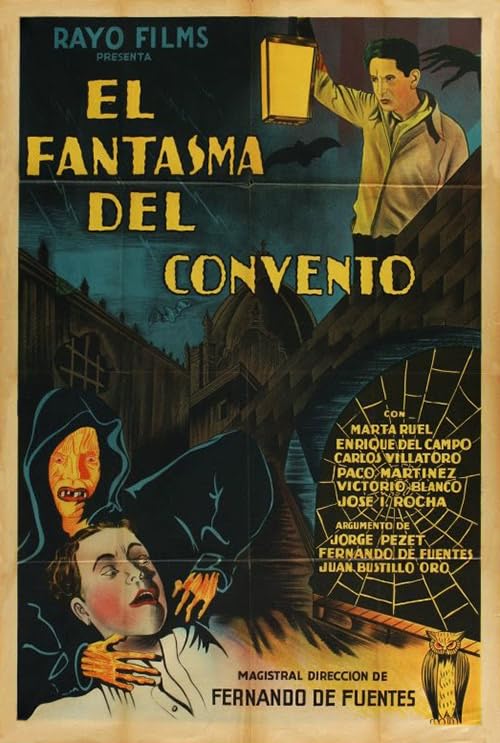
El Fantasma de Convento/The Phantom of the Convent (1934)

dir. Fernando de Fuentes
⭐️⭐️⭐️½
52-week film challenge, film 29

This film, often retitled in the US as Phantom of the Monestary because sexism, is a good old-fashioned ghost story for adults, made in Mexico in the mid-1930s, that’s nice and creepy. By today’s standards, it moves a bit slowly, but it lays on the atmosphere nice and thick, just like I like it.

It was largely forgotten for decades because of its paucity of “jump scares” or relatively little body horror, or maybe because it’s not dumb, nor does it have El Santo anywhere in it (he was a teenager when this came out, perhaps he saw it and thought to himself “I could do that … wearing a mask!”). Happily, it was rediscovered thanks to a Blu-ray release in 2022, and has taken its place as a well-regarded classic of early Mexican horror.

It’s just a good creepy morality tale, perhaps a touch too heavy-handed, but the surprises are spaced out just right to keep you roped into the story, and the use of lighting, cinematography, and non-music sound are superb (more about the music later). There’s also a lot of silence in this, as befits a movie that mostly takes place in the Convent of Silence.

Our three leads: (L-R) Eduardo, Alphonso, and Cristina.

A married couple, Eduardo (Carlos Villatoro) and Cristina (Marta Roel), and Eduardo’s best friend Alphonso (Enrique del Campo), find themselves lost in the woods and, as the film opens, Eduardo has slipped off a ravine edge and is hanging on for dear life as Christina and Alphonso rescue him in a nice bit of foreshadowing. It’s obvious right from the get-go that Eduardo is kind of a wimp in the eyes of Cristina, who has the hots for Alphonso, and the feeling appears to be mutual — though they try to behave honourably, even though Eduardo is obviously aware of the flirting.

Once he’s back up and on his feet, they hope to find shelter in a nearby convent, only to run into a mysterious monk-like figure and his large dog Shadow (although the stranger is not named, it is Brother Rodrigo, returning to the convent). He leads them to the convent, then (of course) disappears inexplicably.

The lights are on in the convent, but at first there appears to be nobody home. Eventually the Prior (a wonderfully wizened Paco Martinez) appears, explaining that the other monks have taken vows of silence, and welcoming the trio to stay the night and find their way back in the morning. Walking through the convent, our heroes notice various oddities, such as how old-fashioned the monks appear to be, including a self-flagellating monk (in shadow), and a tumbled cabinet near a room that Alphonso attempts to straighten, but which reverts the moment his back is turned.

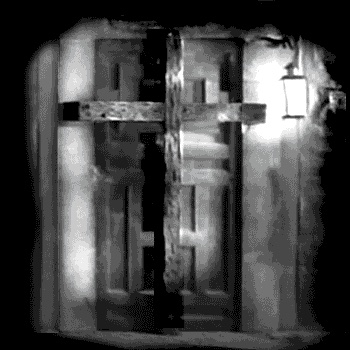
The “wandering around” part is reprised a few times, including once where our heroes come across a room with a dozen or so open – and empty – coffins. They also come across a door to one of the cells that is blocked, and has a huge crucifix nailed to it – to keep something out, or to lock something in?

Before they can ask any questions, they are invited to share a meal with the monks. The atmosphere is thick with tension, which only ratchets up when the convent is attacked by unseen forces, which moves the monks into action. Our trio follows along discreetly, as the monks reassemble in a “battle station” of sorts to try and fend off the unseen horror through vigorous prayer. The threat passes, and the trio quickly return to the dining room — only to find that all the bowls of soup they were eating before are full of ash now — until the monks return to the room.

The one monk who is allowed to speak but previously didn’t want to talk much returns to the dining hall and speaks mysteriously (of course) about the brothers and the threat they face. He relates a story about Brother Rodrigo that has a direct parallel to the adulterous triangle of our hapless heroes. Rodrigo lusted for his best friend’s wife, eventually murdering his friend and subsequently was consumed with guilt, returning to the convent to unsuccessfully atone for his sins. The blocked cell with the giant crucifix is, you guessed it, Rodrigo’s cell.

The door to Brother Rodrigo’s cell.

All three of our protagonists seem enraptured with the story and feel that they are under a spell of some kind, but in particular Cristina appears to (and even articulates) be most influenced by the events in a strange way – seemingly getting more and more aroused by the events they are witnessing. When the three are escorted to their three separate cells (it is a convent, after all), she goes immediately to Alphonso and makes allusions that she is as ready as she’ll ever be to consummate their relationship (it is the 1930s, after all). Alphonso is also ready, but finds the willpower to resist her under the spooky circumstances, which angers Cristina.

The mystery deepens, weirder things happen, and the film slowly builds to a deliciously scary climax (not involving Cristina, har har) in which Alphonso wrestles with his guilt, and his temptation, and works his way into Rodrigo’s cell, where the mummified body of the monk still resides, and he encounters an undead version of Eduardo and a book that drips blood, and is tortured by visions before collapsing.

Cristina and Alphonso confront their adulterous hearts

He awakes in the morning, gathers his friends (who are all okay), and they hurriedly try to leave. There’s a great denouement where they discover a caretaker (Jose I. Rocha), who doesn’t believe a word of their adventure and shows them the reality of the place, which has been abandoned for centuries. Was it all a shared hallucination, time travel, or what?

If you are in the mood for an old-fashioned ghost story, if you enjoyed the Mexican version of Dracula, or if you just appreciate well-shot, moodily-lit horror films like Frankenstein, you’re likely to enjoy The Phantom of the Convent as well. The biggest flaw in the film, in my view, is the sometimes-histrionic and mostly-stock soundtrack, which tries far too hard and too often to built tension or suggest a climactic moment that, until the film’s actual pinnacle arrives, is ill-suited to this gentler horror movie. Thankfully, it’s not there all the time, and when a genuinely climactic scene does finally appear, the music is finally ready for it.

The mummified body of Rodrigo points to a book dripping with blood, in the wonderfully creepy climax.

I think the film holds up very well, particularly given that it was made in the 1930s, though viewers should be aware that the influence of Catholicism in Mexico was strongly dominant at the time. Even better, it’s left hanging as to the ultimate fates of the three friends, though it would appear the lust factor has been forgive me – exorcised from Alphonso and Cristina.

The Super Mario Bros. Movie (2023)

⭐️⭐️⭐️⭐️

Dirs: Aaron Horvath, Michael Jelenic
52-film challenge, film 28

As an adult, I can see a few problems here and there that I will of course comment on momentarily — but basically your kids will probably love this, as will most teens and adults that are old enough to remember Donkey Kongand Super Mario Brothers games they played as a kid. This is the first kid‘s film I’ve seen in a long time that I think children will wear out the Blu-ray of from repeated viewings.

You can safely forget any previous attempts at bringing these characters to life in a film, especially that 1993 thing — this one gets it right for the first time. As far as current-generation Mario fans are concerned, this film is damn near perfect — and its biggest flaw, if you can call it that, is that is so busy packing in references that the story sometimes takes a back seat to other events, and that’s okay.

The movie represents a huge jump in quality from the previously third-rate Illumination animation firm, thanks to a wealth of pre-designed characters and an obviously huge software upgrade. Up till now I have pretty much loathed everything they’ve done, particularly Despicable Film (my title for it) and the introductions of the incredibly lazy (and Pixar-“inspired”) Minions. It was like their mission was to make children stupider via inducing attention-deficit disorder.

I’ve seen some reviews from adults that the movie is still too superficial and fast-paced, but in part thanks to Illumination’s previous work, that’s what kids want. Besides, the “lore” of this movie is very well-established in the video games, so there’s no need to go over all that, you just accept the situation and welcome Mario and Luigi’s extended family. Directors of Batman and/or Superman movies, pay attention.

Since I also am an adult — most of the time — I also have a few minor criticisms, but before I get to that the first thing that should be said is that this is what kids/family cartoon computer animation should look like if your name isn’t Pixar/Disney: Incredibly colourful, true-to-the-characters design, followed through for new/additional characters, gorgeous locations, and of course — very little regard for the laws of physics.

The biggest letdown for me was that Mario and Luigi didn’t retain their “fauxtalian” accents throughout the movie, but I can also see how that might offend real-world Italians if they did it through the entire film. This is explained in the film as being exaggerated for the purposes of a TV commercial the brothers make (so you do indeed get to hear Mario say “it’s-a me!”), but except for occasionally remembering to say “Mama Mia,” and of course “Woohoo” a lot, mostly it sounds like Chris Pratt being a New Yorker.

Charlie Day as Luigi does a better job, but the movie is stolen voice-wise by the far-better-cast Jack Black as Bowser, Anya Taylor-Joy as Princess Peach, Keegan-Michael Key as Toad, and Seth Rogan and Fred Armisen as the two main Donkey Kong characters.

Considering many of these characters started off as pixelated bits, the character design is excellent, and instantly “feels” like this is the way the characters should look, even though technically they only got to this point through generations of iteration as the console game technology improved. Likewise, this is a level of background and “set” work we have never seen from Illumination previously, and even the jokes work most of the time.

Princess Peach and Toad prepare for the big race

The film starts off in what passes for “the real world” and, after a funny scene of the brothers failing as real-world plumbers on their first big job, they discover a pipe that leads to what we’ll call Mario World with the characters we know and love. The rest of the movie builds out from the premise of Bowser wanting to marry Princess Peach by force, threatening the peace of the various kingdoms and Mario (& Luigi, who has a much smaller role of mostly being the victim that needs rescuing) arrive just in time to help the Princess and her people fight back.

In short, this movie is one I’ve rated highly because it absolutely achieves what it sets out to do, which is to flesh out Mario World, establish the underlying lore, and defeat the enemy, and looks good doing it. The frantic pacing will perhaps annoy some adults, but there are plenty of reference-checks for us Mario veterans to appreciate, especially if you loved Mario Racing. It’s no classic film-wise, but it will absolutely take its place as a go-to kids’ movie the whole family can enjoy.

Dark Star (1974, dir. John Carpenter)


⭐️⭐️⭐️½
52-week film challenge, film 27

This is the first time in literally decades I’ve seen this film, and yet it left such a mark when I first saw it that most of it was already burned into my memory. This was very much the (accidental) forerunner of Star Wars as well as being part of an array of now-forgotten but excellent Sci-fi movies from the early 70s that included Colussus: the Forbin Project, The Andromeda Strain, Silent Running, Solaris, Fantastic Planet, Soylent Green, Westworld, Sleeper, and even another in the genre of “expanded-version-of-a-student-film” that hardly anyone saw called THX 1138.

I once met Dan O’Bannon shortly after Alien came out at some SF convention in Miami (I think) and a very young me probably fanboy’d his ear off about Dark Star rather than the movie he was presumably there to promote, but he was polite and seemed impressed that I’d seen it. I did also absolutely love Alien, for the record, but I think all I said about it to him was to congratulate him on writing what was in my youthful estimation the scariest alien horror movie everrrrrr before moving on to Dark Star.

If my memory serves me right, my late friend Kelvin Mead, who was collecting 8mm and 16mm versions of cult movies at the time, had a print — and that’s how I saw it, sometime in ‘78 most likely. It was John Carpenter’s first major film as a director (and composer, he also did the soundtrack), and while it’s quite rough compared to the big SF Hollywood films of the day, it really holds up pretty well if you overlook the limitations of the $60,000 budget. Let’s say there weren’t a whole lot of nihilistic sci-fi comedies to compare it to until the TV show “Red Dwarf” came out some 14 years later.

The story, very basically, focuses on four extremely bored starship personnel (there were five, but one died before the film begins), who have been warping around the galaxy for the last 20 years destroying what are deemed to be unstable planets with smart bombs. While they’ve only aged by three years, the monotony of the job (which is the only part of the voyage most of them like) has really caused entropy to set in in myriad ways.

They all have long hair and unkept beards, and sound suspiciously like USC film student (heh). The core three who do most of the work are called Doolittle, Pinback (more about him in a moment), and Boiler. Talbi, on the other hand, has sequestered himself in the ship’s observation dome and just stares out at the heavens all day.

When they are doing their job, they are (almost) a well-oiled machine, especially in a crisis — which is happening more frequently because they do next to no maintenance at all of the aging ship’s issues. The conversations Pinback has with the smart bombs (who talk back occasionally) introduce the comedy element early on. The rest of the time they are either indifferent or spiteful to each other.

Having started life as a student film, the film is woefully padded with “extended remixes” of various scenes, including a very minor subplot about Pinback’s “pet,” a very bored alien he doesn’t pay enough attention to. A loooong sequence of Pinback losing a battle with the “beach ball with feet” alien is really nicely shot, but goes on far too long. The optical effects in the film are surprisingly good, but if you’ve seen George Lucas’ similar “expanded student film” then you get the idea that a little more money got stretched out very thin to turn it into a feature.

The saving grace of Dark Star, though, is the dark comedy and great ensemble acting. Although Doolittle (Brian Narelle) is the replacement “commander,” Pinback (O’Bannon) is the source of most of the comedy, and embodies every annoying office worker everywhere. At one point, Pinback confesses that he isn’t actually Pinback, but a man named Bill Frug who saw the real Pinback go crazy and remove his jumpsuit before killing himself. Frug put the jumpsuit on, was mistaken for Pinback by indifferent superiors, and placed on the ship. The other two argue lightly about how long it’s been since Pinback told this story before.

Meanwhile, the ship continues to deteriorate, at one point causing one of the bombs to exit the hangar early, awaiting commands to arm itself. These are handily the best scenes of the film, where Pinback (mostly) must convince the bomb that the signal to leave the bay was an error (twice). It’s even funnier once you realise that O’Bannon also voiced the smart bombs, so he was literally arguing with himself.

The air of psychological tension and claustrophobia throughout the film, only avoided by Talbi by not really interacting with the others much, is beautifully executed (and O’Bannon freely used that dynamic again in Alien). Speaking of tension, I should mention the soundtrack, which includes a full-on country song of all things, all written/performed/sung by Carpenter.

Most of the soundtrack works subtly to heighten the growing issues both between the crew and between the crew and the ship (and the bomb) to bring us to the finale, which in my view was a huge and very satisfying albeit dark payoff. Up to that point, it is fair to say that Dark Star is an entertaining, but slowly-paced (because of the padding) psychodrama in space, that features effects that mostly work (but, like the ship itself, occasionally doesn’t).

The climax of the film is genuinely inventive and surprising, but the denouement is (chef’s kiss). There are several later films one can point to (like Alien) that were clearly influenced by this, and in particular the dutiful-but-patronising female voice of the ship’s computer (voiced by Barbara Knapp) is now a stock Sci-fi cliché.

If you have the patience to stay with it during the padded-out stuff, you’ll be glad you went on this journey. As a blueprint for some of Carpenter’s later work as well as O’Bannon’s, it offers some real insight into where they (and Lucas, since he was at the same film school a few years earlier, and doing similar things) picked up their style, but is also a clever exploration of the “lonely outpost” scenario with enough original twists to sustain it.

Hell Drivers (1957, dir. Cy Endridge)

⭐️⭐️⭐️½
52-week film challenge, film 26

Is this a movie you need to see? Maybe, if you like star-gazing. There are an astonishing number of people in this otherwise slightly-above-average late 50’s Pinewood Studios kitchen-sink drama who would go on to greater fame both internationally and/or just in the UK film industry. Here’s a partial list:

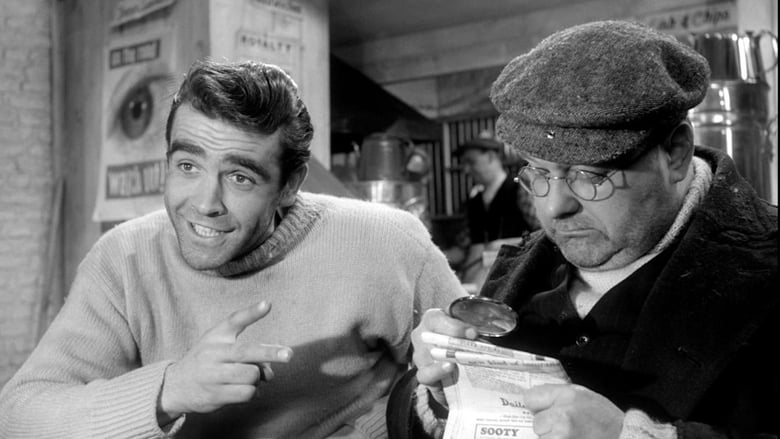
  • This was only Sean Connery’s second credited film role, and its a minor but distinctive one. Five years after this film, he would be the first and most memorable James Bond.
  • Stanley Baker, who played the lead role of Tom, also found worldwide fame a few years later with 1961’s The Guns of Navaronne.
  • William Hartnell, who plays the truck company manager Cartley awfully smartly, would be the original “Doctor Who” six years later.
  • Patrick McGoohan, well known for “The Prisoner” and many film roles now, was one of the leads in this film. Again, just six years later, he would star in Dr.Syn, or The Scarecrow.
  • David McCallum had an early part as Tom’s handicapped brother and the reason he went to jail, and was a well-established film actor by this point, but seven years later he would co-star in “The Man From U.N.C.L.E” on US TV and become a household name with a long (and continuing) illustrious career.
  • Jill Ireland is unrecognizable as the waitress at the Pull In Diner. She married McCallum as a result of them meeting on this film, divorced him 10 years later, and famously married Charles Bronson a year after that following her meeting him on a film he and McCallum worked on together (The Great Escape).
  • Marianne Stone was never a huge star, but holds a Guinness Book of World Records title for “Actress with the Most (Film) Screen Credits,” with over 200 movies on her resume.
  • John Kruse, who wrote the original short story, went on to write for “The Avengers” and more famously “The Saint,” among other shows of that genre.
  • Cy Endfield was forced to relocate his career to the UK thanks to the McCarthy hearings in the early 50s, but was nominated for a BAFTA for Hell Drivers and went on to later acclaim for exotic war movies like Zulu (1964).
Hallo! Ish me, Sean Connery! Check out my “aye” brows!

The rest of the cast also contains many other names familiar to 1950s and 60s UK film fans. Nearly everyone who had a speaking part in this film (not to mention a couple of the background artists) can also be found in literally dozens of other movies.

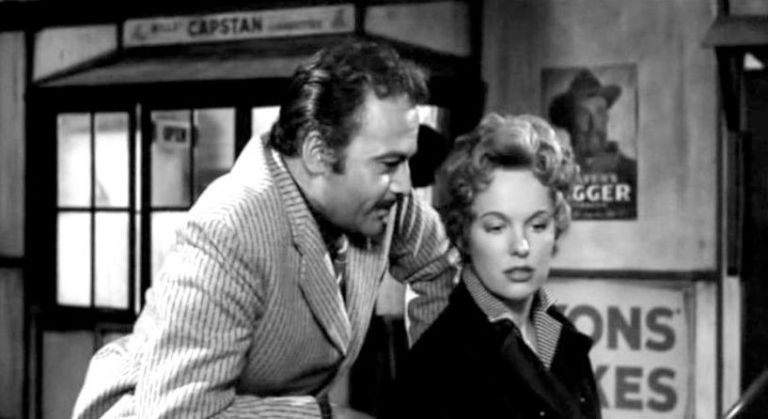
But anyway, what about this movie? It’s a well-shot and well-directed tale of a shady trucking company that hires a motley set of drifters, hobos, and ex-cons as ballast haulers who must drive big trucks like crazy people in order to meet the nearly-impossible schedule set out by the management. Ruggedly handsome ex-con Tom Yately (Baker), in desperate need of a job, gets drawn in to this rabbit hole and decides to take on the borderline-psychotic Red (McGoohan), befriends the only decent person among the drivers, Gino (Lom), and attracts the ladies with his rugged good looks and reluctance to share too much information (Cummings and Ireland).

Red (L) threatens Tom and Gino.

As the title suggests, Hell Drivers is a very macho film with a whole crew of manly men who do man things, mannishly. The work is hard and dangerous, and the company knows full well that anyone they lose to an accident or death is easily replaced.

This is a lovely scene as Tom learns the ropes from the mechanic, Ed (Wilfred Lawson)

The drivers are attracted by the good money, but responsible for the cost of any mechanical faults, accidents, speeding tickets (which oddly never happens to any of them in the course of the film), or absences. As mentioned, in order to meet even bare-minimum 12-run quota they pretty much have to drive like maniacs, and attract much honking of horns and a load of near-misses. Red, the “pace setter” does 18 runs a day and holds a solid-gold cigarette case as a prize for anyone brave enough to beat him.

The film isn’t all crazy truck-racing sequences shot on overcranked film, though, and the story is nicely balanced between the job and what the drivers do off the job, which is mostly limited to eating at the Pull In Diner, sleeping in their rented rooms at a boarding house, and occasionally disrupting the local church social. We also spend quality time with Tom and Gino getting to know each other, the love triangle that ensues with Peggy, and Tom’s increasingly-hostile social time with Red and the other drivers.

Gino loves Lucy, but Lucy loves Tom (for no clear reason other than she finds him hot).

Matters of the heart and of the fists as well as of the reckless driving come to a simultaneous head in the lead up to the climax and subsequent denouement, executed even better than I expected from such a workmanlike film. While Baker gruffs his way through most of the film, there is a surprising off-shoot of the plot where he returns home to his family, only to be cruelly rejected by his own mother.

Beatrice Varley as Tom’s mother, who has let the bitterness of her son’s folly consume her.

While the entire backstory of that scene is never fully explained, we gather that the reason Tom is an ex-con is that he served a year in jail for reckless driving, which resulted in the crippling of his young brother Jimmy (McCallum). Beatrice Varley as Tom’s mother is pure, unforgiving ice water, with a perfect delivery of a chilling line: “For you it was a year, for me and Jimmy it is a life sentence!”

A very young David McCallum as Jimmy, Tom’s crippled brother.

Speaking of that, the film does have its moments of sparkling dialogue, and the friendship between Gino and Tom is a touching and multi-layered sub-plot with some nice twists. I don’t think it will be giving anything away by saying that of course one of the drivers dies in the film, but there’s a nice twist even in that.

I should also mention the solid music score by Hubert Clifford, which comes to prominance in the racing sequences and is far more subtle elsewhere. Jim Groom as sound designer offers some nice touches with notes of nature sounds amongst all the engine noise. If you’ve seen the 1953 film The Wages of Fear, this has a similarly macho character-driven story of desperate men driving, but the two are distinctly different nonetheless.

William Hartnell’s scenes, though brief, really show off his acting chops.

So, in the end, it worth a watch? If you like gritty realism in your late-50s domestic-drama UK films, this one will likely win you over. The overcranked speed shots of the trucks get annoying, but there is still some genuinely hair-raising moments in them, and just seeing McGoohan at his most unhinged, along with a jokey yet already distinct Sean Connery and a young David McCallum (among others), is just as entertaining as the story.

There is a hell of a lot of crazy-ass truck driving in this thing. Take that, Convoy!

The Color of Pomegranates (1969, dir. Sergei Parajanov)

⭐️⭐️⭐️½
52-week film challenge, film 25

With most commercial movies, you can walk into the cinema not needing to know much about the subject and still enjoy (or hate) them, either because they explain the story within the film or some portion of needed background knowledge is communicated to you through the promotion or trailer or title of the film. Most movies touch on universal themes in their tales, or reference moments in time that are reflective of those periods, and what I’m trying to say here is that most of us have some frame of reference heading into a given film.

Not so much with The Color of Pomegranates. I watched this thing completely cold. Big mistake. After viewing it, I then had to go back and watch no less than five short documentaries about it to really get a fix on what the hell it was I’d seen.

So why did I watch it at all? Because it kept showing up on Sight & Sound’s list of some of the greatest movies ever made, that’s why. If you’ve seen another such film, the unconventional sci-fi flick La Jetée, this might remind you of it in its unconventional, idiosyncratic presentation — but that’s where the comparison ends.

With as many films as I’ve watched at this point (hundreds, maybe even a thousand), it’s pretty shocking when one comes along that throws me a complete curveball. Not an unpleasant shock, mind you; more intriguing than annoying. This is a really innovative and thus important use of film as art, but if you don’t have the aforementioned frame of refererance to understand where it’s coming from, it’s pretty bewildering for its hour and 20-minute run time.

So what we have here is an attempt by director Sergei Parajanov to illustrate the life and times of a heroic 18th-century Armenian poet, who went by the name Sayat-Nova (though he was born as Harutyun Sayatyan). To give you the shortest possible backstory, he was mostly an ashugh — a poet and bard who recites or sings their poetry while accompanying themselves on an instrument; similar to a troubadour. He remains a very influential cultural figure in Armenian history, though he is celebrated also in the countries of Georgia and Azerbaijan, since he spoke and composed in all three languages, and wandered freely among them.

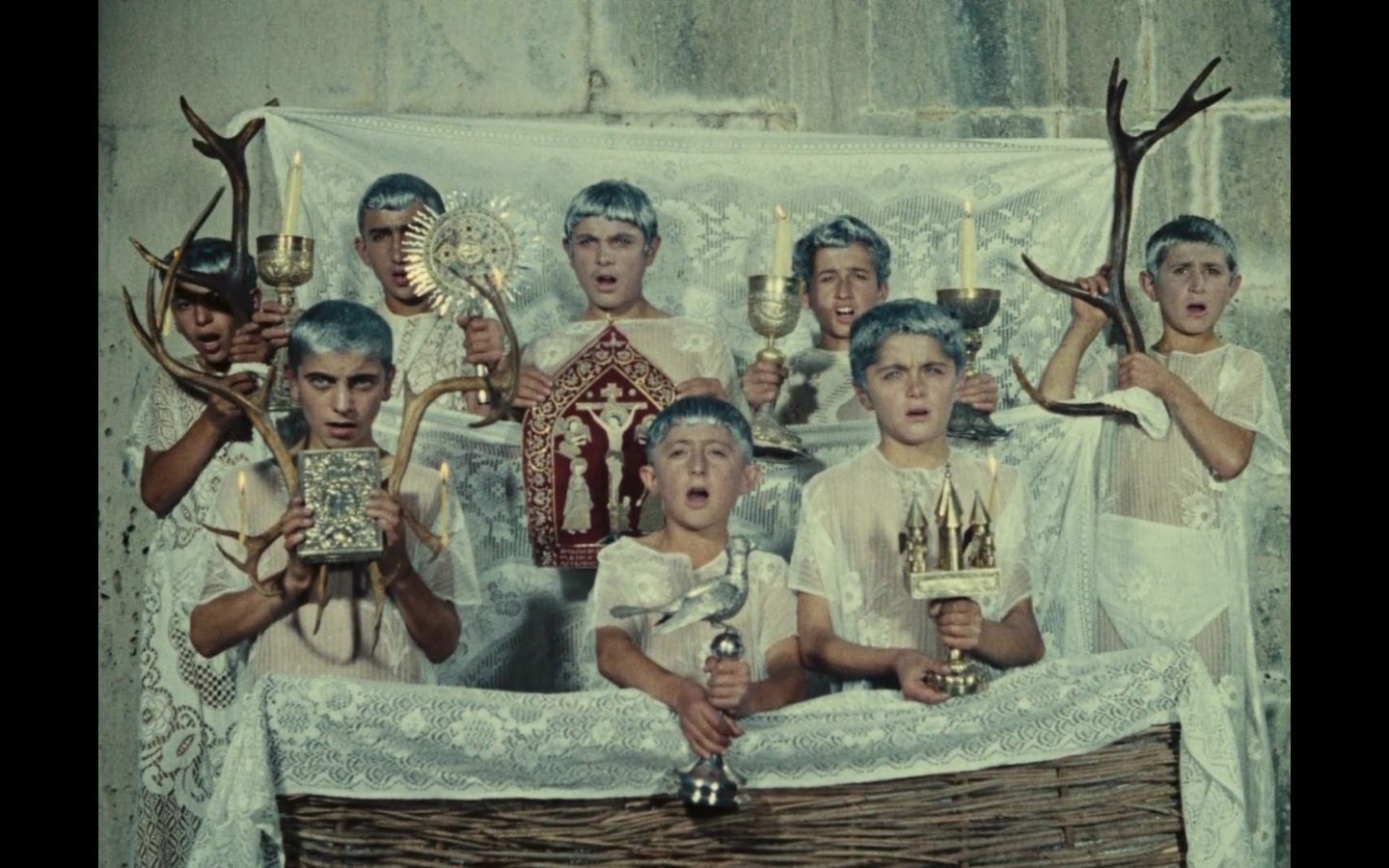
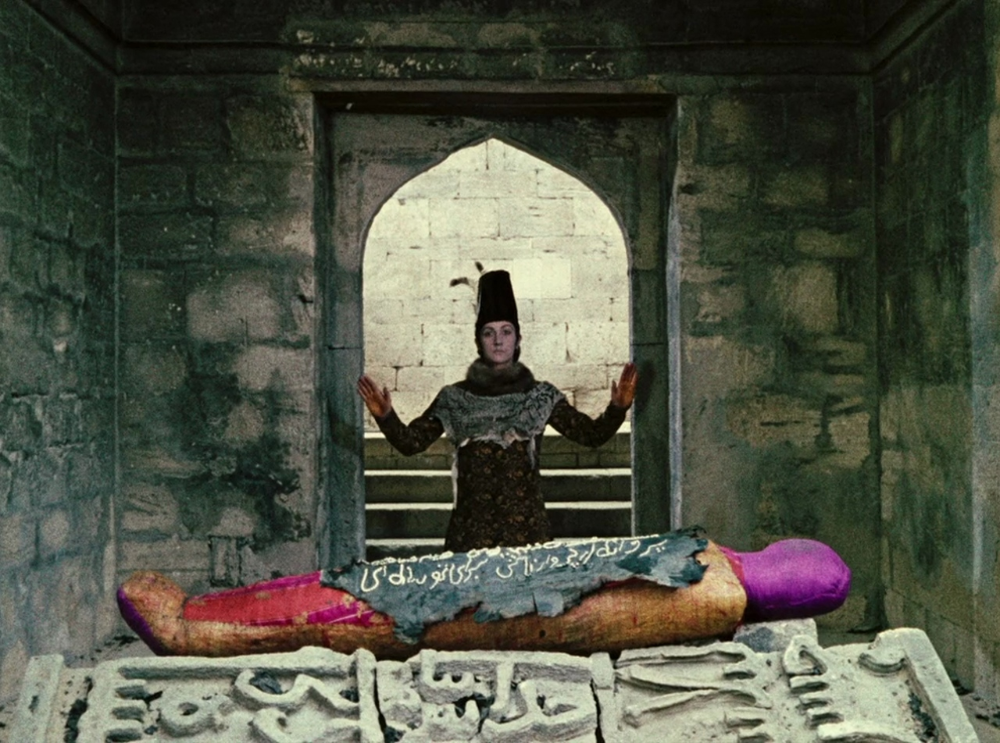
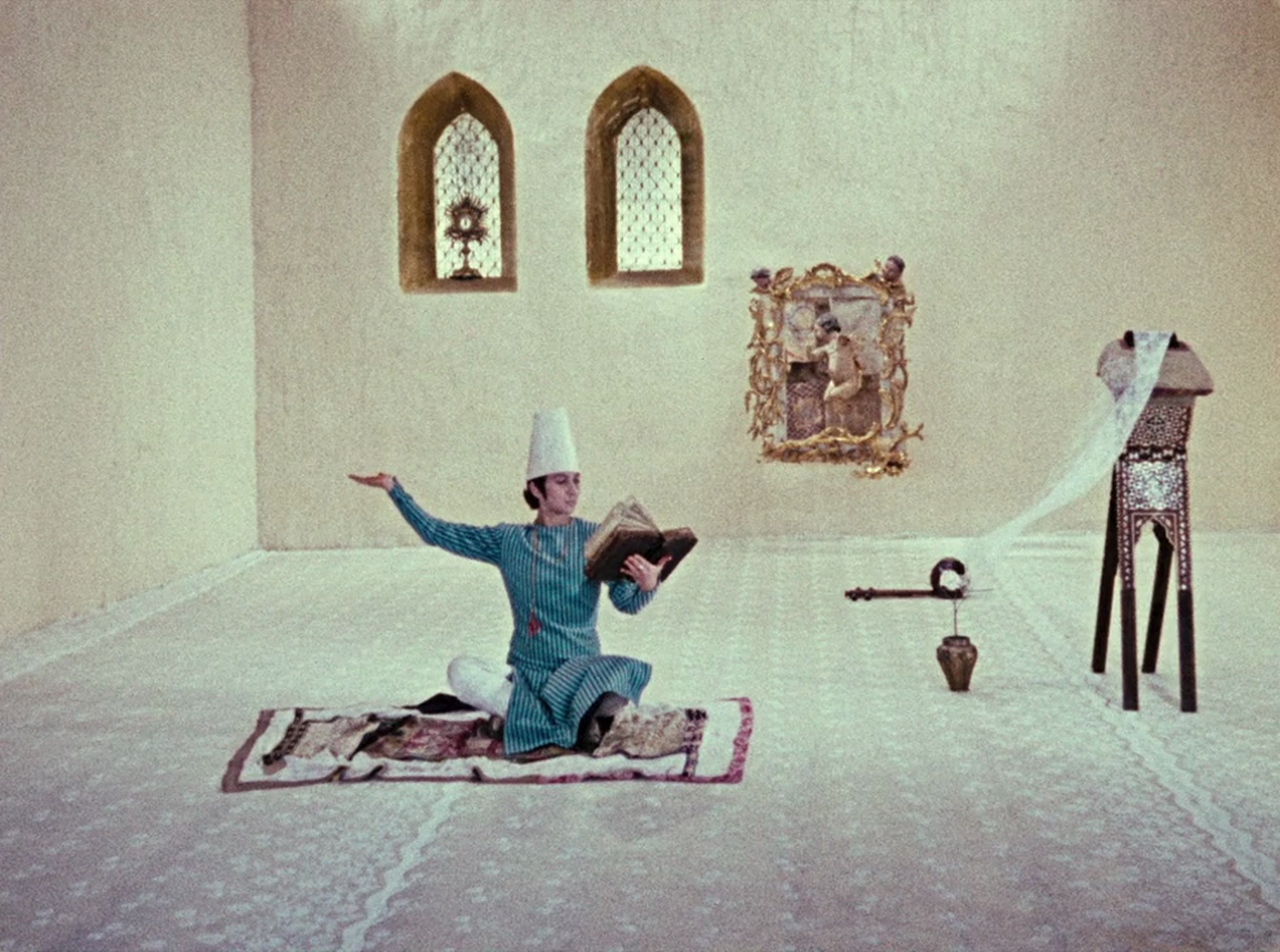
What Parajanov did that makes this film so flummoxing to anyone not steeped in both Armenian culture as well as the dominant Catholicism in that region of the world is that he didn’t attempt any sort of conventional narrative film structure at all. Instead, Parajanov attempts to illustrate “the mind of the poet” through a series of active tableaux, some virtually still and others in motion, illustrating ideas and motifs taken from both Sayat-Nova’s life as well as his compositions. Living photographs, dripping with symbolism but also reminding me of artful dreams.

So you kinda have to take at least a crash-course on this tri-national folk hero and his writings before any of this is imbued with meaning. Thankfully, Parajanov does follow the life of Sayat-Nova pretty much linearly, starting with his birth and going to through to the end of his life, utilizing his own visual symbology to accompany Sayat-Nova’s own poetic metaphors and allegories.

The areas covered include Childhood, Youth, the Prince’s Court (where Sayat-Nova falls in love for the first time), The Monastery, The Dream, Old Age, The Angel of Death, and Death. There are title cards that let you know where you are in his life story, but again you still need to have a knowledge and appreciation of Sayat-Nova’s life and work to translate what you are seeing.

So what are you seeing? Artfully-created scenes, usually without dialogue at all, of actors dressed in beautiful Aremenian costumes, posed or interacting with other symbolic objects. Many are shot on a box-like set meant to represent Armenian illuminated miniatures, which are little hand-crafted, three-dimensional picture boxes. It would seem dreadfully pretentious if it wasn’t all so earnest.

There is sound throughout, and some singing later on, and as the subject of the film moves into adulthood, the film relies more heavily on location shooting around various ancient monasteries in the three countries where Sayat-Nova mostly lived, including the one where he spent the last 20 years of his life (and where he is buried).

As an almost unique cinematic language, Parajanov should get five stars, but I originally deducted two of them for a couple of reasons. The fifth star went for having to know so very much backstory before you should even be allowed to watch this film — let’s just say it wasn’t intended for the wider distribution it eventually got. The fourth star was removed for the lack of clues as to how to interpret what you’re seeing — there’s no explanation at the beginning that Sayat-Nova’s story will be told in visual metaphors and allegories, only that the film is about him.

One of the most striking images in the film, and that’s saying a lot because there are many memorable images in this film.

I put a half-star back because, despite the requirements to understand the film, a story about a poet of such influence probably should be told in an unconventional way. Once you finally understand what Parajanov is doing, and what some of the symbolism means, it still doesn’t make full sense, but you appreciate much better the use of a completely different visual “language” within this visual medium.

Thankfully, I discovered after screening the film that the Criterion Channel has what they call a “collection” to go with the movie, including a commentary track on the film which I will avail myself of if I ever re-watch it, and the previously-mentioned documentaries that range from a profile of the director, to a potted history of Sayat-Nova, to a literal “decoding” video to help with the translation of the visual imagery.

It must be said that those documentaries helped me enormously in moving from “what the hell was that?” to an appreciation for the unconventional way I learned a lot about the central subject, his poetry, his background, and some core Armenian-Georgian-Azerbaijanian history and cultural influence, both from Sayat-Nova and his religion of choice. My brain feels bigger now.

It turns out the film was originally titled simply Sayat-Nova, but the title was changed when Russian censors thought the style of filmmaking was a little too difficult, though they only cut a small portion of the film and rearranged a few scenes. Indeed, Parajanov was later jailed by the Russians for his later work.

That said, pomegranates do indeed contribute meaningful metaphors that are less difficult to understand, especially in the clever use of their blood-red juice. I did not know until afterwards that the flow of the juices in some white-linen tabletop scenes are deliberately controlled to “draw” a map of the region, and in other instances to make a commentary on sexual desire, and on war.

As glad as I am to have been challenged in this way, and to have seen a film this unusual, I find it very difficult to recommend it to most others. I can think of a few academic friends (and one particular Russian history buff I know) who might be interested, but this is absolutely not a film the average person not familiar with that region of the world would want to just put on because one enjoys the aforementioned fruit.