⭐️⭐️⭐️⭐️ Disney/Pixar Studios Director: Pete Docter
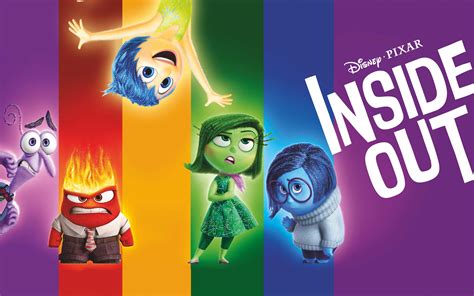
A short review: this is a pretty brilliant film, focusing on Riley, an 11-year-old girl, and her emotional state. It’s also the story of Joy, one of those emotions living in her head, coming to an understanding of the role Sadness should play in Riley’s present life and memories.
The other emotions are good, but kind of backgrounded — except for Anger, played brilliantly by Lewis Black. The parents are fairly minor characters as well, which I felt was a flaw at first, but they’re very much meant to be minor characters — the focus is on Riley. There are occasional representations of what’s going on in Mom’s and Dad’s brains, and those are also amusing.
The film won a (very large) bucketful of awards for Best Animated Feature that year, though only one Oscar — for Best Animated Feature. The American Film Institute and the National Board of Review, however, both picked it as one of the Top 10 films of 2018. It has since become another Pixar family classic, and is really well-suited to show boys and girls at around Riley’s age, or kids of almost any age who are going through the trauma of moving and leaving their previous friends behind.
Riley is, for the most part, a well-adjusted and well-rounded kid with a happy childhood and loving parents. We should all be so lucky, eh?
There is one serious flaw in the story that bothers me: when Sadness touches a memory, she changes it into a sad one from its previous state — she gets scolded for this several times in the film. Oddly, when (let’s say) Anger touches one of the memories, it doesn’t change — nor does it when Joy or any other of the emotion characters touch it. It’s not reeeeaalllly a plot hole as much as it is foreshadowing, but there was probably a better way to handle that.
That said, the most genuine sad moment in the film is a stunningly perfect heartbreaker: Bing Bong, and that’s all I’m going to say about that.
In short, it remains of Pixar’s best original movies. Even better ones have since been made from that studio, but Inside Out is still truly great, still relevant – and really does tug at the heartstrings, elicit emotional responses. For the non-kids this was also aimed at, the film gently gives us parenting advice while also making us recall our own pre-teen years.
The grey tones, minimal lighting, and troubled dinner conversation reflect Riley’s more sombre emotional state as she wrestles with the adjustment to a new town, no friends, and her emotional struggles.
I’d recommend you reacquaint yourself with this film before seeing the new sequel, Inside Out 2. I’m glad they waited nine years to do the sequel.
dir. Rachel Talalay ⭐️⭐️⭐️⭐️ 52-week film challenge, film 49
This review has to come with three disclaimers:
I have never read the “Tank Girl” comic (though it looks like something I’d enjoy). I am reviewing the film strictly as a movie.
I have met and chatted with the director, Rachael Talalay, about her career, US-Canadian immigration issues, and more recently I was present in Chicago for the debut of her latest bit of TV work (for Doctor Who, as it happens), but this doesn’t influence the review too much.
I am aware that the film was, in parts, heavily re-edited by the studio.
With that out of the way, let’s dive in.
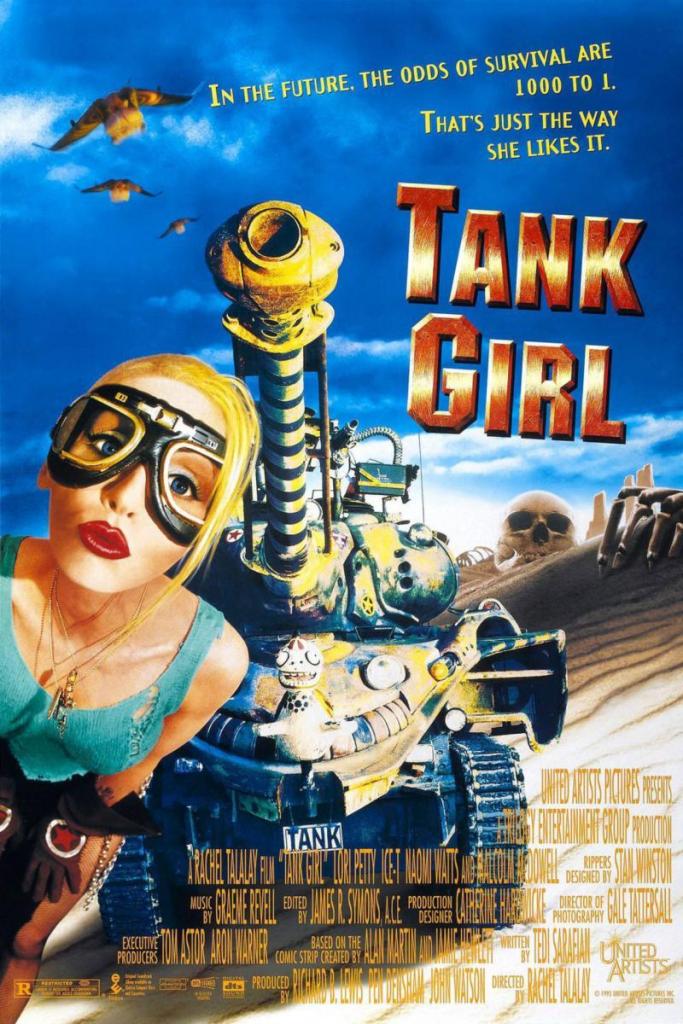
Hoo boy, has Tank Girl ever aged well. On its original release, it didn’t do well financially, though it later earned cult status on the strength of its strong “feminist futurism” and humour. It is almost, but not quite, a mirror-universe version of 1984’s The Adventures of Buckaroo Bonzai Across the Eighth Dimension, only with far fewer goatees and more mutants, who eventually form an alliance to take down the mad big bad (Malcolm McDowell, in this case).
Like the earlier film, it has a definite aesthetic that reflects the decade in which it was made, is funny but not meant as a parody, and does some excellent world-building that pays homage to its influences. In the case of Tank Girl, the world of 2033 looks increasingly likely to come to pass — only instead of a comet directly hitting earth causing the climate to change, we just have man-made climate change. I can see this “future” from my house, so to speak.
A hasty voiceover from yet-to-be Tank Girl herself (Lori Petty) sets up the story: since the comet hit (presumably with enough force to push the earth closer to the sun), it hasn’t rained in 11 years, and the world has mostly turned to desert. The (male) elites have taken control of the enormous reservoirs of water underneath the sands in the only livable area left (the former Australia), thus controlling nearly all of the remaining population.
Director Talalay with star Lori Petty.
Some Mad-Maxian-type rebels live “free” in the outback in a commune, relying on finding and tapping into parts of the reservoir to survive. Although the head of the monopolistic Water & Power Corporation, Kesslee (McDowell), is trying to find and destroy these water pirates, the rebels fear another enemy much more: The Rippers, who are kind of armored super-soldiers operating from a secret base.
Buck is quickly established as a sarcastic rebel even before the commune is attacked.
The Rippers attack both W&P and occasionally the rebels under cover of darkness. Insert your own analogy to the aboriginal native populations of various countries (and of course capitalism) right here.
W&P discover the last well the commune has tapped, and attack the commune (which is decorated like every 90s teen’s dream) with corporation troops, killing many of the rebels. The body count includes Rebecca Buck’s (Petty) boyfriend Richard (Brian Wimmer) and, after a brave fight, capturing Buck and a young girl from the commune named Sam (Stacy Linn Ramsower).
Sam (L) and Rebecca
In a classic trope, Kesslee is fascinated by Buck’s spunk and sarcasm — and instead of just killing her, instead enslaves her. When she continues to rebel, he subjects her to various tortures.
Buck meets a fellow prisoner, who Buck nicknames Jet Girl (Naomi Watts) because she is being used as a jet mechanic by the cruel (read: rape-minded) troops. Jet Girl urges Buck not to fight back, but Buck is having none of it — and saves Jet Girl from a stalker trooper by pretending to be Jet Girl’s jealous girlfriend.
Kesslee decides to use the rebellious Buck to lure the Rippers out into the open, but the plan backfires, and Kesslee is gravely injured. Buck gets a tank (and is now Tank Girl), Jet Girl steals a jet, and they seek shelter and spend time modifying their weapons and plotting to break W&P’s control of the world’s water.
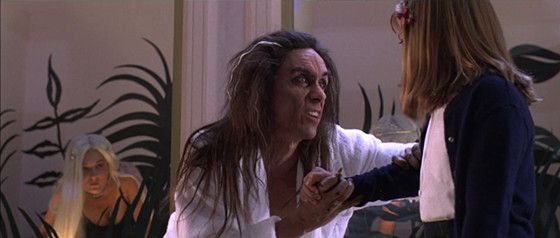
Their success prompts Kesslee to use the little girl Sam as both a hostage and bait, and puts the child in serious danger at one point — I don’t want to say more than that, but Iggy Pop is involved, and not in a good way. The Girls (Tank, Jet, and the little-seen Sub) get wind of this, and redouble their efforts.
Iggy Pop as a (thankfully unsuccessful) pedophile.
The ladies form an alliance with the Rippers, who we discover are mutated men (and the occasional dog that was first mutated into a man) who have been fused with kangaroo DNA (because Australia!) into a funny-looking mercenary force originally created by W&P before being largely wiped out for rebelling. Kesslee hopes their united force will attack so that his army can crush them all, but things don’t quite go according to plan.
That’s Ice-T on the left there, as T-Saint — one of the smarter and more poetic Rippers.
The film might possibly err a little too much on the comic side, but the look and set pieces are aesthetically pleasing throughout. As mentioned, looking at this almost 30 years after its initial release, it seems prescient and less unrealistic than it probably did in 1995. Indeed, “Kesslee” rhymes with “Nestle,” and if you don’t think that evil corporation isn’t trying to buy up as much of the fresh water supply as it can, you might want to read up on that topic.
In the meantime, the rise of women as role models, heroes, rebels, and the leads of non-drama films over the last three decades makes Tank Girl ever more relevant as the years go by. When it was first released, some critics and most audiences didn’t quite “get it,” but the tween/teen girls who got to see it took it into their hearts, and built a cult following around it.
The film turns out to have had enormous staying power as an influence, both outside and inside Hollywood. Although the film flopped in its theatrical run, it did okay with critics — and I think it has since garnered enough respect that a Blu-ray release beyond just the US would be justified.
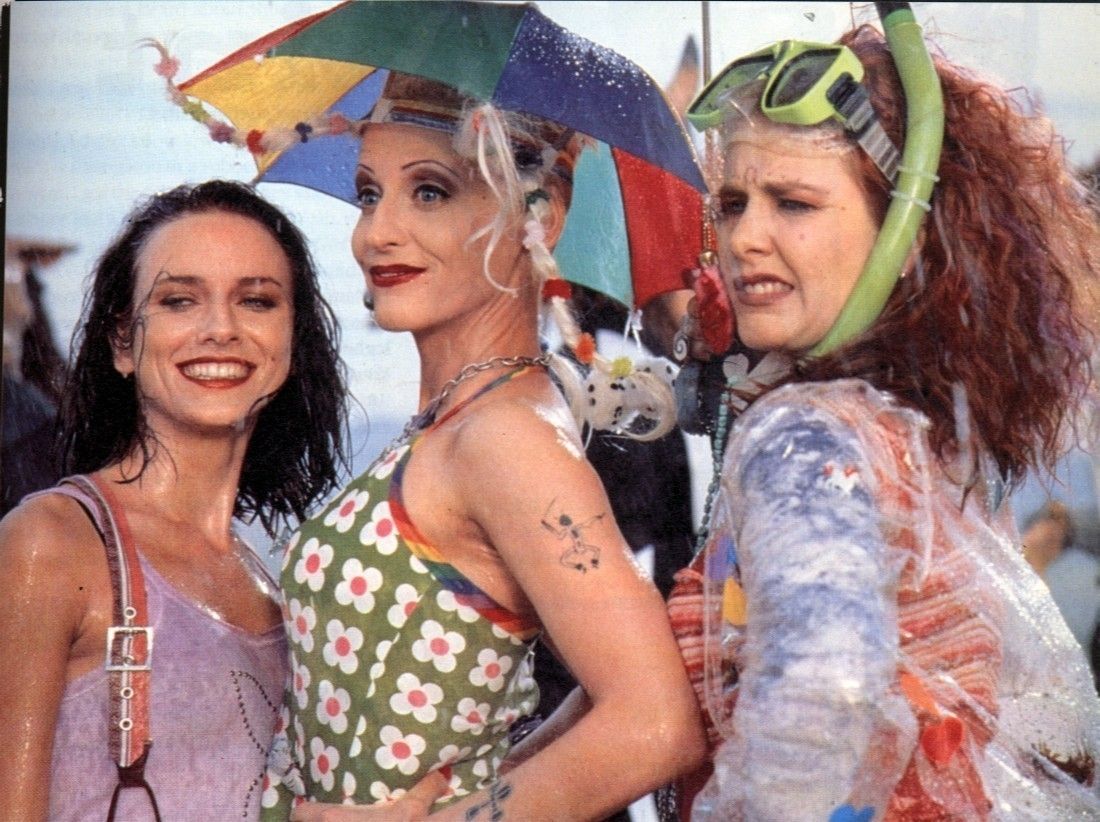
The “Girls” together — (L-R) Jet, Tank, and Sub
If said Blu-ray could also include a ”restored” version that undid the watering-down cuts and edits the studio insisted on (among many other things, reducing Jet Girl and the blink-and-you’ll-miss-her Sub Girl’s roles, not to mention changing the ending), I think it could even be a hit on the revival circuit as well. As Ms. Talalay has gone on to a strong career in TV and film since then, I look forward to asking her about the “Kesslee” name, and the possibility of a “Director’s Cut,“ when next our paths cross.
I hadn’t actually intended originally for last month’s reviews to have a theme of horror movies for October, but after the first one I just opted to keep it going. There’s really not enough Thanksgiving movies to make a theme out of that (and Thanksgiving’s not necessarily in November, Americans), but this year marks my all-time favourite TV show “Doctor Who”’s 60th anniversary, so I’ve hit upon the idea of reviewing films that have actors who played The Doctor in them, and we’ll start with a twofer: Jon Pertwee (in a big part) and William Hartnell (in a minor part) in a film adaptation of the stage farce Will Any Gentleman …?.
The problem with film adaptations of stage plays that are farces is that the energy doesn’t translate well, and of course now this 1953 film is so dated that it’s almost 100 percent laughter-free. There’s a lot of “stagey” overacting, though Pertwee and Hartnell are not among the guilty parties, and neither is lead star George Cole.
The underlying story is a simple one: mild-mannered bank clerk Henry Sterling (Cole) is trying to repay a small debt his brother Charley (Pertwee) owes the owner of a music hall. He gets roped into attending the show, gets pushed up on stage where “The Great Mendoza” (Alan Badel) hypnotizes him to remove his inhibitions. Things go a bit wrong and the show is closed before Mendoza can un-hypnotize anyone, leaving Sterling and another man with mixed personalities.
Sterling randomly alternates between his normal self and his wild playboy persona, to the consternation of most of the people in his life and the amusement of a few (including his maid). Brother Charley slowly works out what has happened and retrieves Mendoza to undo the hypnotism, but not before many shenanigans and misunderstandings have happened, almost resulting in Sterling’s marriage collapsing and being arrested for stealing money from his bank.
The other man hypnotized by Mendoza and not brought out of it turns out to be an undertaker who is hypnotized to laugh at nearly everything — one of the few genuine funny surprises in the film.
If you had seen the stage play in the early 50s, I’m sure you would have laughed a lot — farces work much better in theatre because the energy of the cast brings the audience along with them. The film version also plays things mostly very broadly, with may characters being cartoonish in nature, apart from the aforementioned future Doctors and Cole, who does an expert job switching personas.
If you’d seen the film in the 1950s being aware of the stage version, you’d probably find this one funny as well. But this type of campy, stagey comedy is tricky to get right on film, and while there are a few movies of this sort that still retain their “suspension of disbelief,” qualities this one just seems like most of the cast are trying waaaay too hard, and the comedy fizzles.
“Manic” Sterling has plans for his maid, who is more than willing as her life is otherwise dull and lonely.
At this point, the only people who would seek out Will Any Gentleman …? are likely “Doctor Who” fans who want to see what Pertwee (33 at the time) and Hartnell (45) looked like when they were much younger (though people in the 1950s all seem to look “old” all the time to me), and of course fans of George Cole, who is the best part of this movie.
Pertwee plays the rogueish brother just right, and his colourful personality keeps his performance in line with the film but not exaggerated, while Hartnell as the only truly serious part in the movie (as a police detective) just reminds me that every film I’ve seen him in, he gives each of his characters something distinct from the others — in this he is a perfect foil for Pertwee and Cole, gruff but never crossing into exaggeration.
Three of my favourite British actors in a single picture.
It’s a pity that this doesn’t quite work, but it doesn’t — in part because of changing social morés around sexism, which is really the centerpiece of this one. It is of its time and reflects its stage origins, which bodes mostly badly for modern viewers.
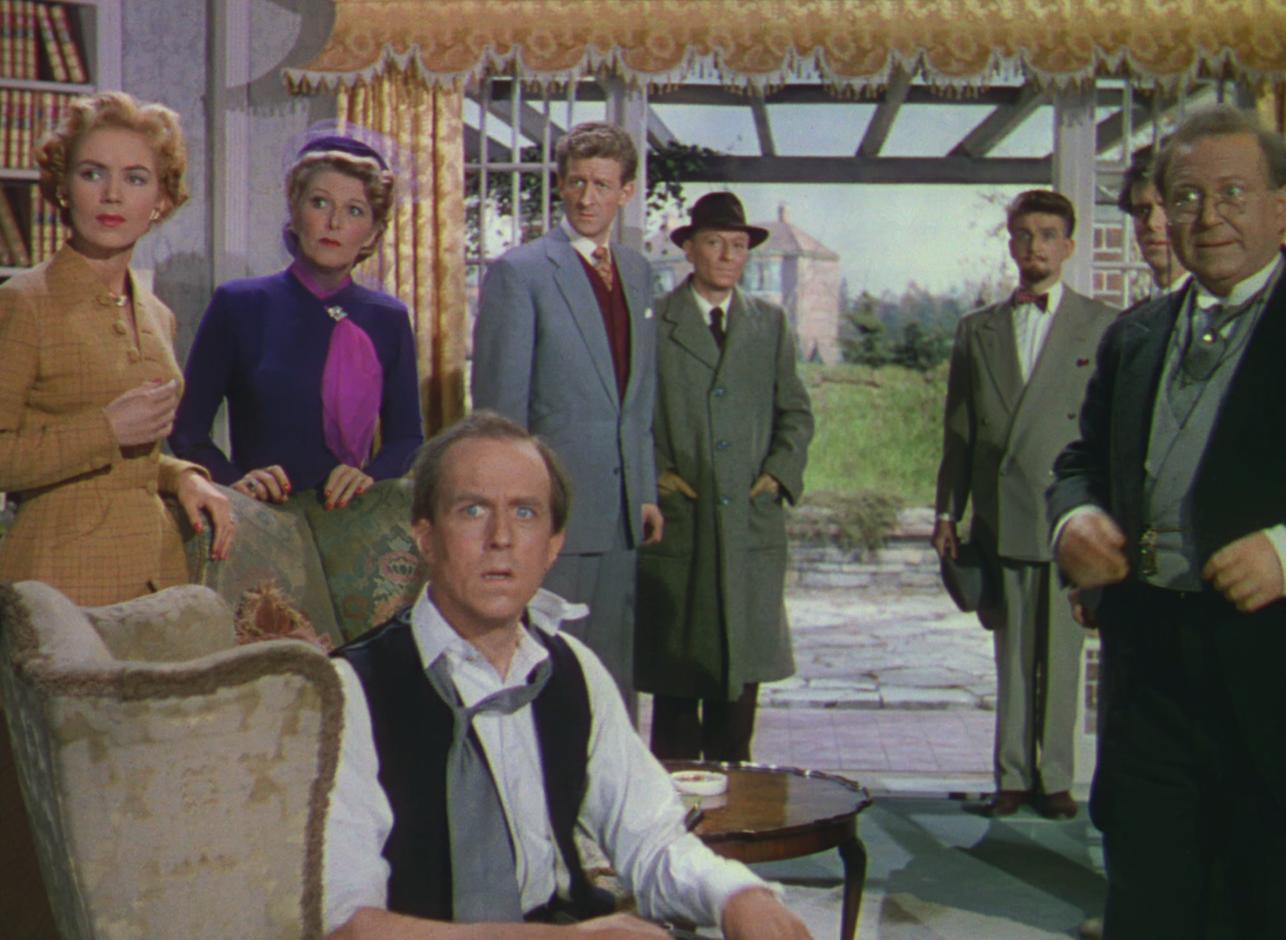
Almost the entire cast, L to R: Sterling’s wife, mother-in-law, frantic bank manager, brother, Detective Inspector, hypnotist, (can’t remember the half-seen fellow), and overly dotty doctor. Missing: the maid.
This review is dedicated to Don Smith, a recently-deceased podcaster on one of my favourite podcasts (Watchers of the Fourth Dimension), who loved this movie.
The early 70s covered a lot of cultural ground, but one of the weirder cul-de-sacs was the emergence of the Rock Opera, in which pop composers attempted to Do Something Meaningful by combining multiple rock songs into a (sometimes semi-) cohenent plot line. The form began in either 1968 (with S.F. Sorrow by The Pretty Things) or 1969 (The Who’s Tommy), depending on who you ask.
It hit big first with Jesus Christ Superstar in ‘70, Bowie’s album The Rise and Fall of Ziggy Stardust and the Spiders From Mars in 72, and the original stage production of The Rocky Horror Show in ’73. Movies of some of these efforts followed on, peaking in the mid–70s: Jesus Christ Superstar in late ‘73, Phantom of the Paradise in ‘74, and arguably the most successful examples, The Rocky Horror Picture Show in ‘74 and The Who’s Tommy in ‘75.
Of these films, all but one was a well-polished and long-running stage musical, and it was Phantom of the Paradise. In my view, it is less successful as a rock opera because of this — but on the other hand it borrows liberally from two great sources: the 1909 novel and 1925 classic film The Phantom of the Opera and Lon Chaney’s memorable performance, and of course Faust.
Brian De Palma’s second commercial film, seen now, will remind people of Rocky Horror in some ways — over-the-top camp, rollickin’ rock music, and the eccentric camerawork. It’s an amusing movie, particularly as a parody of Faust (and for pre-Muppets Paul Williams) but the humour is probably boosted if you are already enjoying some recreational substances, as people surely did at the time this came out. There’s no doubt in my mind that De Palma saw Rocky Horror on stage, and spotted the future filmic potential, though I’d love to verify that.
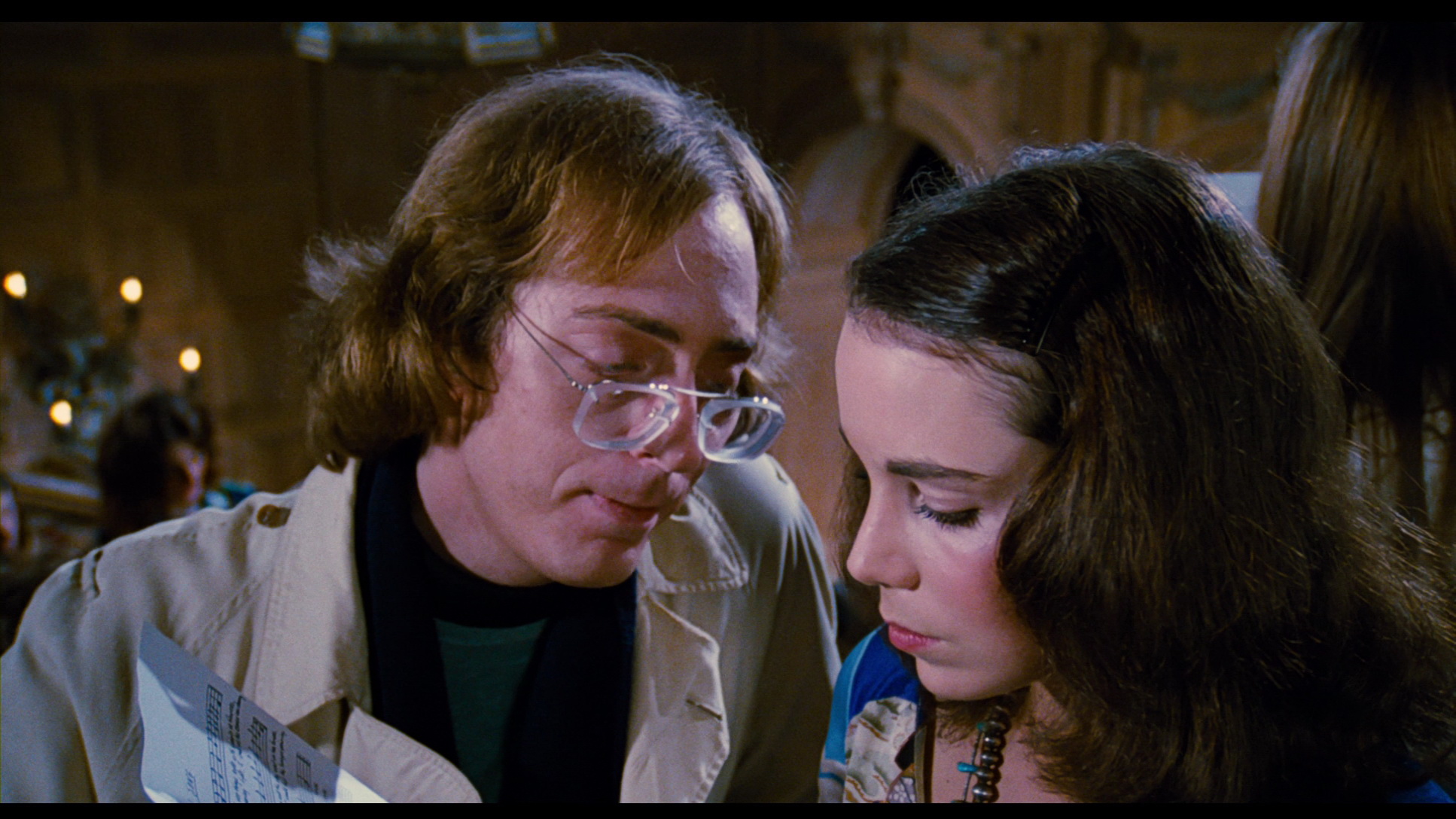
Winslow, soon to become the Phantom, and Phoenix.
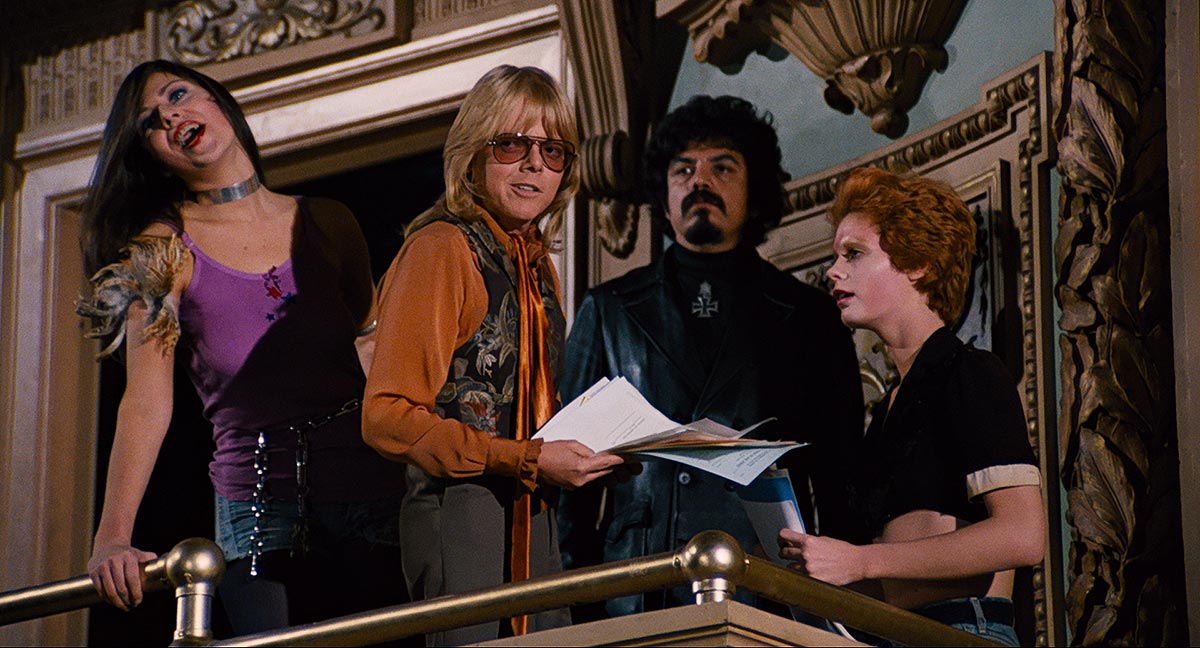
The plot, basically: a singer-songwriter named Winslow Leach (William Finley) creates a cantata based on Faust, and this gets heard by a rich record producer named Swan (Paul Williams). Swan thinks the cantata will be perfect for the opening of his new concert hall, and has his henchman Arnold Philbin (George Memmoli) steal it.
Leach, expecting to hear back from Swan, makes repeated attempts to get back in touch but keeps getting thrown out. On one of these visits, he hears Phoenix (Jessica Harper) singing a portion of his work and falls in love.
This time, Leach is framed for drug possession, is sent to prison for life, and has his teeth forcibly replaced with a steel set. A few months later, he hears that Swan’s band The Juicy Fruits have covered part of his music, goes berserk and escapes prison, breaks into Swan’s record-pressing plant as is severely disfigured when he falls into one of the record-pressing machines.
Yes, various tricks are used to keep Paul Williams’ actual (lack of) height obscured.
Seeking revenge, he breaks into the Paradise club itself, hiding in the costume department and finding a stylish silver owl mask and cape to complete his transformation into the Phantom (these bird metaphors are already laid on kind of thick). He hears the Beach Bums (formerly the Juicy Fruits) rehearsing a reworked version of his music and nearly kills them all, which attracts Swan’s attention.
Swan tracks Leach down and proposes a deal: finish the cantata and record it in a custom built recording studio. Swan gives Leach a voice box to (kind of) replace his destroyed vocal cords, promises that Phoenix will be the lead, and makes him sign a contract in blood.
The Phantom and Swan are the original frenemies.
Leach completes the cantata at the point of exhaustion, allowing Swan to steal it and replace Phoenix as the lead with (I’m not kidding) a glam rock prima donna named Beef (Gerrit Graham). Swan orders the studio sealed up with bricks.
Leach recovers, and in a fit of adrenaline smashes his way out of the bricked-up exit, makes his way to the Paradise, and confronts Beef in his shower, threatening him not to perform the lead.
If this image looks a bit familiar, you might be a film buff.
Beef agrees, but is forced by Swan and Philbin to return and perform for the rehearsal. Leach’s Phantom is in the rafters, and when he see this repeated betrayal he sends a neon lightning bolt down, which fries Beef.
Beef.
Philbin, understanding that the Phantom is behind this, promotes Phoenix to do the next song, and — surprise! — everyone loves her, including Swan. Swan promptly begins seducing Phoenix, and the Phantom tries briefly to warn her, but she is panicked and doesn’t recognize Leach.
Later, the Phantom spies on Swan and Phoenix as they prepare to make love. He tries to kill himself out of despondence, but Swan appears on the roof to tell Leach he cannot die until Swan dies because of their contract. So Leach attempts to kill Swan, but Swan points out that “I’m under contract too,” explicitly revealing he made a pact with the devil 20 years earlier to stay eternally young.
Swan announces to the press that he and Phoenix will marry during the finale of his production of Faust. Leach realizes that Swan plans to have Phoenix assassinated as the wedding concludes, as she has also signed a blood contract with him. He goes to Swan’s vault, destroying the tapes and Swan’s filmed and blood-signed contracts, then hastens to prevent the assassination during the wedding.
Because of this, Swan is starting to deteriorate, and dons a mask for the wedding. The Phantom, arriving just in time, swings onto the stage, removes Swan’s mask, and stabs the now-vulnerable Swan again. As a result, they both are now dying, but the now-saved Phoenix finally sees who the Phantom is, and stays with him as he dies.
So yeah, pretty convoluted, with a little “Picture of Dorian Gray” thrown in for good measure. It’s very well-shot in most places, with a bright colour palette and some fish-eye shots and other moments that remind me of A Clockwork Orange.
The Juicy Fruits (the best-sounding incarnation of this band)
Williams wrote all the music, and performs as the Phantom’s singing voice, and it should be mentioned that the staging of the actual in-film Faust is a glorious tribute to The Cabinet of Doctor Caligari, with the Juicy Fruits/Beach Bums now performing as goth-y Greek chorus The Undead. I should mention that Williams’ songs are not at all bad, but as catchy as they are (at times), they never hit the level of “memorable” the way the aformentioned started-as-a-stage-musical songs do.
As a horror/comedy/drama, it kind of works, but it’s a stew with too many ingredients in my view. Luckily, the film improves as it goes on, and the ending is really very satisfying.
The Juicy Fruits become the Beach Bums …
I can see why some people love this film, as it is as bombastic, in-your-face and over-the-top as a rock musical perhaps should be. If it had been polished and honed as a stage show first, I have little doubt that I’d love it like that as well. By the way — why hasn’t this film gotten a proper stage treatment yet?
Rocky Horror, which came out a year later, is frankly a better example of a sex/drugs/rock musical on film on every level. That said, Phantom of the Paradise has its charms, and remains an upstanding denizen of the “midnight movie” genre.
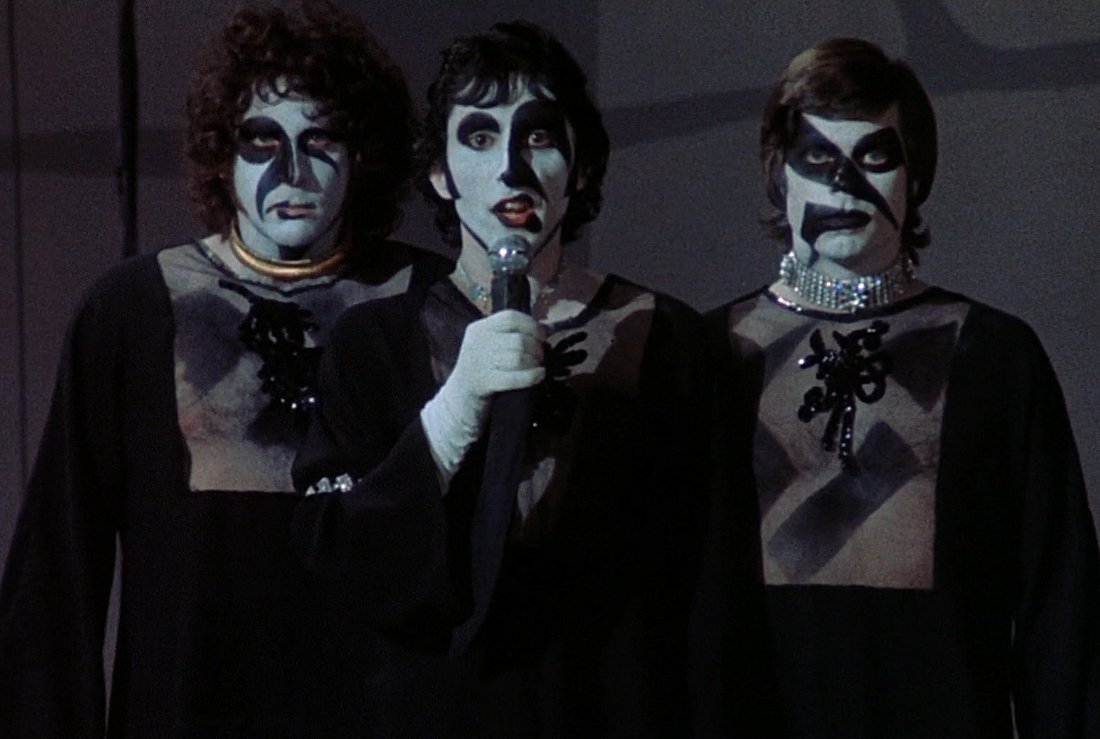
The Beach Bums become Kiss (actually, The Undead)!
From the 50s and into the early 60s, Roger Corman was churning out hit-or-miss exploitation films and grind house movies. In 1960, having established a reliable reputation, he opted to do something a little different — making House of Usher based on the book by Edgar Allan Poe. The screenplay was written by Richard Matheson, art direction by Daniel Haller, and the film starred Vincent Price.
It was a critical and commercial hit, and thus the same team made another Poe-based film in 1961, The Pit and the Pendulum, and again it was a hit. In all, Corman made eight movies based on the works of Poe, with only one of them (The Premature Burial, made for a different production company) not starring Vincent Price, but rather Ray Milland.
When making Tales of Terror in 1962, the tale “The Black Cat” inspired Corman and his team to make a movie out of Poe’s famous poem, “The Raven.” In a signature move, he re-used the sets created for The Raven in his next film, The Terror (which was not part of the Poe Cycle, as the Poe-based films became known collectively). Once again, Matheson provided a script, Haller the art direction, and Vincent Price the lead — though this time, Corman brought in Boris Karloff as one of the villains, with Peter Lorre as a rival to both.
Because the segment “The Black Cat” in Tales was comedic in nature, Matheson and Corman opted to make “The Raven” a comedy as well. Although there are amusing moments throughout the film, the comedy largely falls flat because, in my view, Corman was, at least at this point, not competent at comedic timing.
Price plays Dr Erasmus Craven, a wizard and expert at “gesture magic,” who has rejected the Brotherhood of Magicians in preference to leading a quiet, nearly solitary life. His only company is his daughter Estelle (Olive Sturgess), and a coachman he employs. One evening, a raven raps at the window, Craven lets him in, and discovers the raven can talk — and is in fact another wizard, the pugnacious (and, as it turns out, alcoholic) Dr Bedlo (Lorre). With Bedlo’s nagging, Craven crafts a potion to restore him to human form, having been transformed in the first place by Dr Scarabus (Karloff), another wizard of gesture magic and other skills.
The trained raven in this film is *amazing*.
Bedlo recruits a reluctant Craven to return to Scarabus’ castle (the exterior itself reused from House of Usher, and very visibly composited into this film) to help him finish the duel. Craven’s coachman is taken over by Scarabus from afar and attacks the party, but recovers after a protracted axe-attack scene. Instead, Bedlo enlists his son Rexford (Jack Nicholson) to be the coachman, but as the journey begins Rexford is also controlled by Scarabus and nearly drives the coach off the cliffs. He recovers in time to bring the carriage to Scarabus’ castle.
Scarabus greets his guests as a perfect gentlemen, trying to undo his reputation and greeting Craven as a long-lost colleague. Bedlo, who has been rude, aggressive, and belligerent throughout the picture, demands that the duel resume, and sets about demonstrating his style of artifact-based magic, calling up a storm. Scarabus secretly gestures to intensify the storm, eventually directing a lightning bolt to strike Bedlo, destroying him.
Literally the only “magical” thing Dr Bedlow is seen to do in the entire movie.
The shocked party adjourn for the evening, being offered hospitality by Scarabus until the storm passes. Rexford, who saw what Scarabus did to bring about Bedlo’s destruction, hides in Estelle’s room, but they quickly find themselves prisoner when the door is magically locked. Rexford uses a window and the castles ledges to make his way over to Craven’s room, convincing him that Scarabus is not the charming and gentle man he seems to be.
On the way to confront Scarabus, Rexford discovers his father still alive, unharmed, and hiding. Bedlo confesses the entire plot thus far was staged to bring Craven to Scarabus so that the latter could duel against his closest rival, Craven. Meanwhile, Craven discovers that his “dead” wife Lenore (Hazel Court), for whom he has been grieving for two years, is in fact not dead, but feigned death to become Scarabus’ mistress.
Utterly not-dead Lenore (Hazel Court).
Thus, the duel is on, with the two wizards seated in fancy chairs, attacking each other magically in turn. This is by far the best part of the picture, with various practical as well as optical effects (but not really much in the way of imagination) used effectively. Bedlo, who has now decided to become a raven again, redeems his treachery by aiding Craven, leaving his son Rexford to woo the fair Estelle, and despite Scarabus’s castle and magic being destroyed as a result, even he and Lenore survive (for no good reason). All’s well that ends well.
This movie isn’t terrible, but it is … not good. Lorre’s character is just plain obnoxious, and apparently the actor ad-libbed himself a few extra lines throughout the film, leading to he and “son” Jack Nicholson not getting along, and rubbing the ailing Karloff the wrong way as well. Karloff and Price are excellent, with Price in particular showing off his effortless style and charm, which is why he’s the star of nearly all of these Poe films.
Although there are some occasional moments that might bring a smile, mostly from Lorre’s rude outbursts, there is not one single laugh to be found in this “comedy” at all, and I’m putting that on Corman’s very flat and hands-off direction. The plot is convoluted and contrived, and its pretty shocking to think that Richard Matheson had anything to do with it, but as with Corman, movie comedy just didn’t seem to be his strong suit at this point.
I often found myself watching the sets (which make the film look at lot more expensive than it was) as much as the actors, though some of the dead-body effects (for Craven’s father in particular, but also for the fake dead “Lenore”) were quite effective. Sturgess and Nicholson are merely perfunctory in their roles, while Hazel Court chews the scenery whenever she gets the chance.
Once the scene shifts to Scarabus’ castle, the film becomes more watchable, particularly the duel, but it doesn’t overcome the “failed attempt at camp humour” vibe of the overall film. The other Corman Poe films, such as Masque of the Red Death, are much better and still recommended, despite being very much of their filmmaking era.
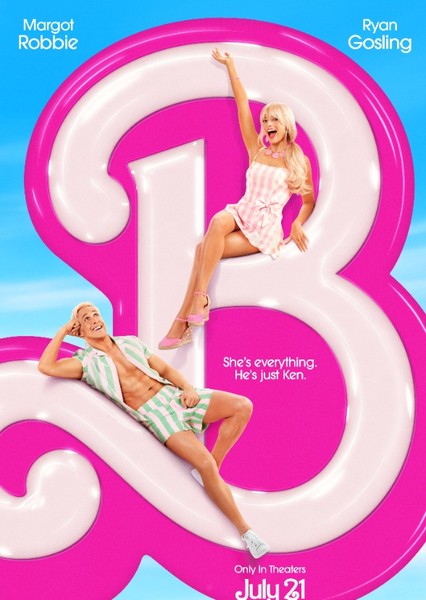
Barbie is a fun (and much funnier than I expected) movie that takes some time to make some serious points that are top-of-mind for many people these days. What’s amazing about this film is that it also finds time to address the men in the audience, given that woman are pretty obviously its main focus.
I can certainly see why some repressed critics have brainlessly labeled the film as “too woke,” but given its box office, their silence about the consequences of being woke, i.e. going broke, is pretty deafening.
The last thing in the world I would have expected from a movie about Barbie was a really rather deep dive into both modern society and mental health. I’m hopeful that this film won’t age well over the coming decades, because that would mean we’ve made some evolutionary progress as humans. Sadly, I suspect it will be standard viewing for many years to come, and not for lack of trying.
Barbie is roughly divided into three acts: setting up the status quo in Barbie-land, disrupting that status quo via a visit to the “real world,” and finally a Busby Berkeley entertainment extravaganza about putting it all back together, only with some important lessons learned.
As a Ken … I mean, man … I’m probably not very qualified to talk about the second and third acts too much, since they are so obviously and squarely aimed at both full-grown women as well as girls. But of course, as a man, I will do so anyway.
From my perspective, a few elements of the “awakening” parts of the film are laid on a little thick, but always with some good humour behind them. But of course I would think that, since the Kens are (correctly) lacking much in the way of depth, and blunder through the stuff that should have provided them with more enlightenment about themselves.
Despite this, I did manage to grok that some of the points made needed to be hammered home hard, and not for my benefit — rather, for the benefit of women of nearly any age. While society has certainly made some progress over recent decades, this movie shows that there is still a long and multi-vehicle sparkly process before us.
So, like the film itself, let’s switch back to the more fun parts for a bit. I really enjoyed the Barbie nostalgia and the self-effacing discontinued Barbies, Kens, and pal dolls that pop up routinely in the film. The set designs and Barbie/Ken variety in Barbieland are note-perfect, and it was especially fun (for me) seeing future “Doctor Who” star Ncuti Gatwa as one of the secondary rank of Kens behind Ryan Gosling — Gatwa didn’t get much in the way of lines, but he got a surprising amount of screen time and made for a great other-Ken.
Repeated references to Midge and Allan (and yes, Skipper and even Growing Up Skipper, among others) really added to the humour, the accessories and their cameos, and the significant role Mattel itself plays in the film (even making fun of its own paucity of female CEOs and board members) surprised and delighted me. I found it very interesting that the Mattel board ends up ultimately doing the right thing in the film, but for all the wrong reasons.
Allan’s movie hair is parted on the “wrong” side compared to the actual doll, but at least his wardrobe is straight out of the box.
After a lengthy introduction to Barbie World and how static it is, Stereotypical Barbie (Margot Robbie) begins to have dark thoughts and other little breakdowns because of a mental link to the (former) little girl who played with her in the real world. She starts to perceive Barbieland as an artifice, and after a consultation with Weird Barbie (scene-stealing Kate McKinnon), she journeys into the real world to find her former playmate and fix what’s wrong.
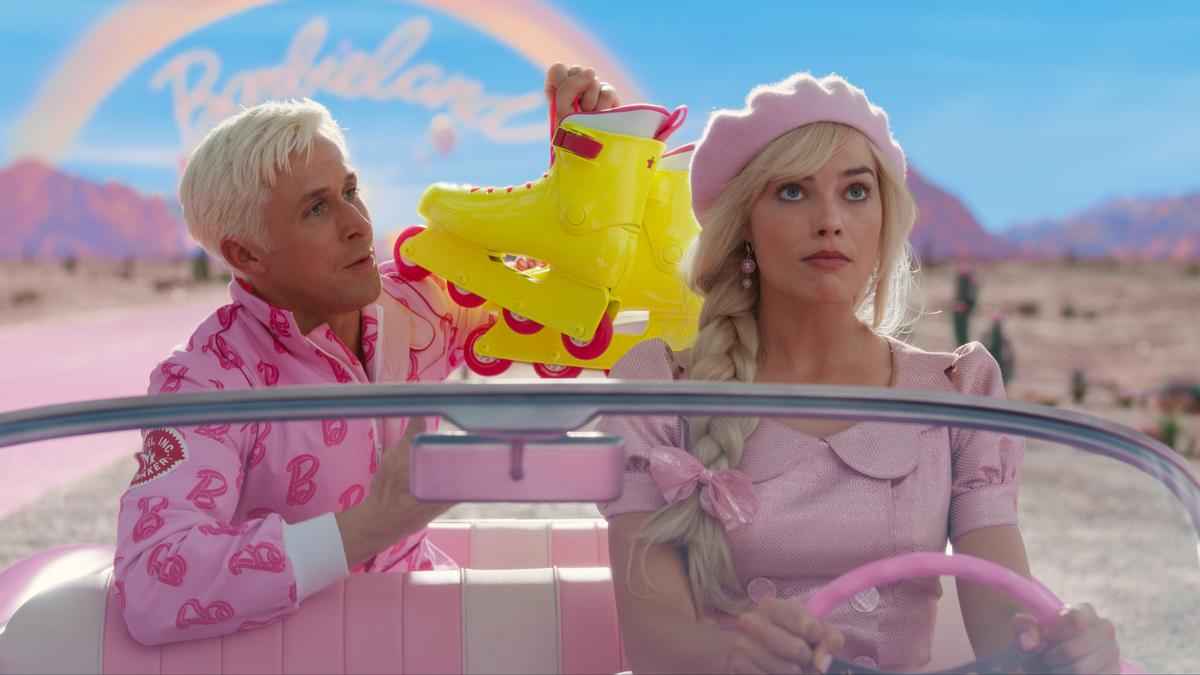
Only things don’t go according to plan: for starters, lovestruck Ken sneaks into the car and accompanies her on her journey, immediately discovering (and falling in love with) the patriarchal society that allows for only token advances by women every now and again. It turns out Ken has a surprising number of issues for a guy with no penis.
Barbie eventually finds a sullen, self-aware tween girl named Sasha (Ariana Greenblatt) who’s mad at basically everything in her world, and her struggling single mother Gloria (America Ferrara), who as it turns out is the former little girl who owned Stereotypical Barbie. After the usual disbelief at the circumstances, they resolve to return to Barbieland to put things right — but Mattel’s board has gotten wind of Barbie’s return, so a Screwball Chase™ is required, giving Ken (armed with books about patriarchy and men’s history) time to get back to Barbieland first.
When Barbie, Sasha, and Gloria finally arrive in Barbieland, it has been renamed “Kendom,” and the Kens are in charge, and strangely fixated on brewskis and horses. The Barbies have all been brainwashed into being Stepford Wives, essentially (and yes, I’m old enough that I consider this movie something of a remake of it).
Our heroes are at first dismayed by this, but again thanks to Yoda (sorry, I mean Weird Barbie), they work out a plan to disrupt the patriarchy from within. But will things just go back to being what they were before, as the Mattel board (who have followed along) want? That’s what sets up the third act.
The Mattel board of directors, horrified to learn that Barbie is present in the real world, give chase on Venice Beach in California — the nexus point between our world and Barbieland.
Without giving the whole thing away, following the ensuing hi-jinks and reset and a lot of feminine self-enlightenment as the Barbies are de-programmed (and the Kens, in a way), everyone gets at least some of what they want. Ken breaks his dependency on Barbie’s approval, Barbie (the main one, that is) becomes a “real” woman, and the Mattel board get some hot new and more-relevant variations to sell.
It’s not a perfect happy ending, and the Kens are left a bit adrift (and still in a matriarchal society, but somewhat more balanced this time), but both the other Barbies and the Kens become more self-aware, and realise the Big Lesson that happiness can only come from within, not from other people, and that means becoming a whole person.
And then the closing credits finally bring out a version of the insipid hit “I’m a Barbie Girl” song, along with a hit parade of actual WTF Mattel alternate dolls and accessories, including a pooping dog and innumerable outfits that were actually sold across the long history of Barbie. I should mention that Rhea Perlman of all people pops up in the film in small but a very important role, and it was super-nice to see her.
Ths scene is from the beginning of the movie, and this was all it took for me to know I’d enjoy myself. No spoilers, but this one’s for the film buffs.
If you’re going to make a “super-woke” film about female empowerment in a patriarchal society, this is how you do it: with a lot of cleverness and laughs and bright colours and goofy characters. You might even learn something … even if you’re a Ken.
Now if you’ll excuse me, I’m off to buy a Weird Barbie, and a Ncuti Gatwa Ken.
Inspired by the film, someone built an actual Barbie Dreamhouse on the California coast, and turned it into an AirBnB.
I love this movie to itty-bitty bits, I first saw it in the cinema when it came out, nearly (gulp) 30 years ago, and then again some years later — Heather thinks it must have been 2004, for the 10th anniversary, likely at The Enzian in Maitland, Florida. So it has been a while, but seeing again last night, once again in the cinema was just heavenly.
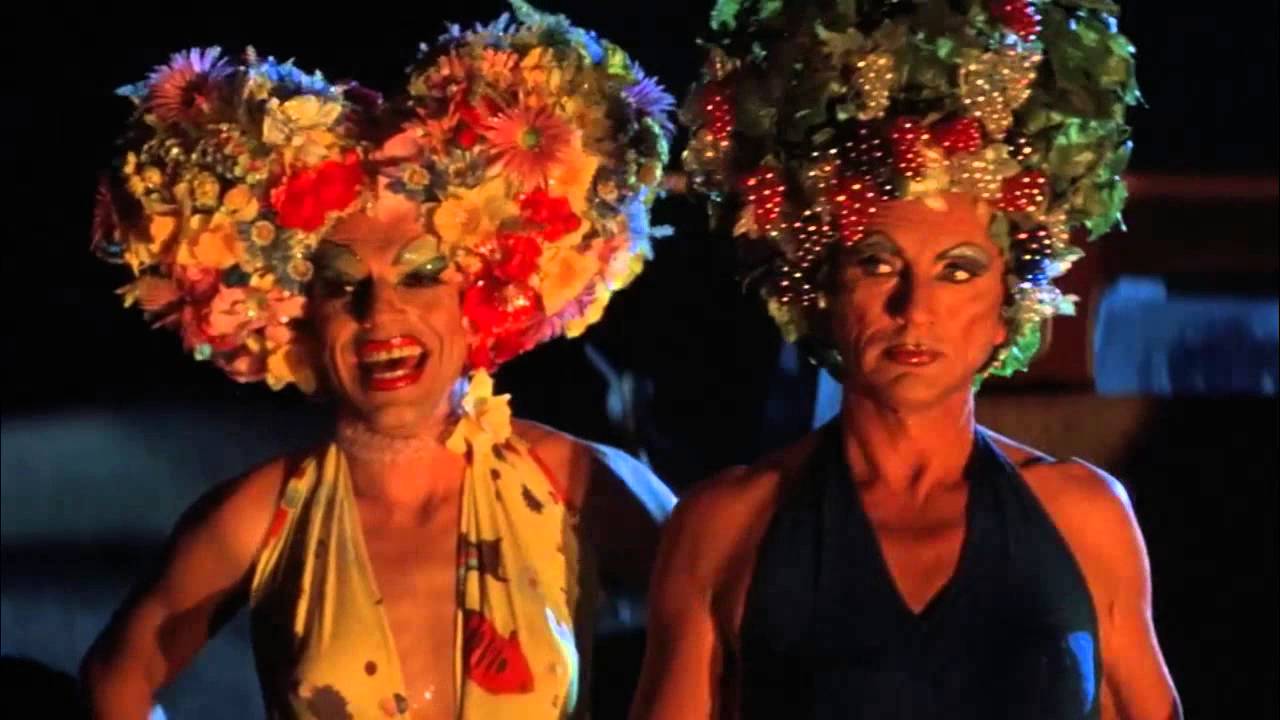
Rarely has there been a movie this utterly joyful about a subculture, and the fact that it was one of those rare LGBTQ+ films that breaks through to the mainstream makes it even more beautiful. Priscilla, which follows the exploits of three Australian big-city drag queens at different stages of their lives (one of them transgender, no less) who get a lucrative gig in a faraway town, is at its heart a buddy movie about celebrating your style and embracing your past — told with infectious glee and love.
That it features an early and very effective performance by Hugo Weaving, playing Anthony “Tick” Belrose (drag name: Mitzi Del Bra), and the magnificent Terrance Stamp as Bernadette Basenger (whose real first name is a plot point, so I won’t give it away here), well-matched by Guy Pearce as Adam Whitely (drag name: Felicia Jollygoodfellow), and all three are just perfect yet surprising casting. While Tick’s story is arguably the “main” one, both he and Bernadette are confronting (or escaping) their past in this trip, while Adam (being the youngest) opts in on the adventure to fulfill his dreams.
Our trio, out of drag (only as required, mind you).
For those unfamiliar with Australia, it’s the same size roughly as the entire US, except that all the main cities hug the coastlines, so the road trip to Alice Springs is mostly a trip through remote desert, as their destination is smack-dab in the middle of the country. Adam’s mother buys them a very used old bus, and of course they pack an absolutely ungodly amount of costumes, props, makeup, and wigs with them.
Much of the film is comedic, thanks to the outlandish public personas of the trio, and there are lots of laugh-out-loud moments that are not just caused by outrageous costuming. The comedy is beautifully balanced with much more serious moments, including major and minor homophobia, personal growth, Tick’s literal confrontation with his past, and the bus breaking down in the middle of nowhere. Happily, the outback also has some friendly folks and a boatload of quirky characters that look out for our boys (and girl) as they each complete their personal and literal journeys.
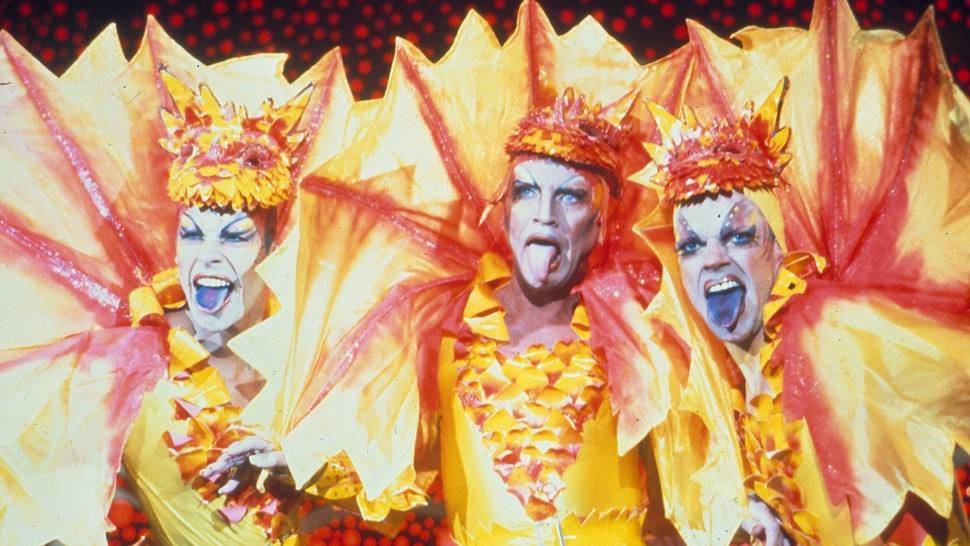
If you shriek with delight at these incredible costumes, you might just be in the community …
The humanity and relentless positivity of the main characters wins you over almost immediately, and really carries the film through its various plot points and messages. If you’re not familiar with LGBTQ+ culture, this is a great introduction even though it is ostensibly about drag performers (hint: it isn’t really — it’s about finding and celebrating your true self).
Celebrated British actor Terrance Stamp, who first made his mark in film in the 1962 classic Billy Budd, is the real revelation here. He manages to effortlessly combine dignity, wisdom, experience, patience, and humour into his nuanced and layered performance, which threatens to steal the show but never quite does until the end of the film. This film revived his status as a hell of a good actor, resulting in a wealth of new roles and renewed respect in the industry that continues to this day.
Award-winning serious actor Terrance Stamp, known for superb villain portrayals, on the right.
For a film made 30 years ago, the “wokeness” (lol) of it is pretty stunning. There is representation of good and bad heterosexual characters, open-minded adults and children, the native aboriginal population, the white colonial population, and even the desert wildlife. Years earlier, David Bowie had made a music video (“China Girl” from Let’s Dance), that similarly touches on the spirit of Australia, and I can’t help but think maybe it had a tiny influence on this movie.
You really get a feel for the dynamic of the country, since the film starts in Sydney and is also a road movie about the beauty of the desert as well. When Adam finally gets some depth (after playing “generic young queen” for most of the film) as he fulfills his dream, you feel a family has bonded and your heart would be made of stone if you didn’t celebrate their victories.
The stars do such a terrific job of capturing the theatricality and joy of drag.
On top of everything else, it’s flawlessly made and brilliantly paced. It is funny, witty, joyous and celebratory, and I will never for the life of me figure out how it did so well with the general population, becoming a hit movie in most major countries, despite it quintessential Ozzie-ness.
This film is a gift to us all. If you’ve never seen it, go see it (especially in a cinema or in high-def). If you have seen it, you’re probably overdue for a revisit. It’s a buddy movie, a road movie, a gay movie, and a universal movie all in one, and it’s simply delightful.
Warning: some “fucking Abba” finally finds its way into this film, despite a ban from Bernadette.
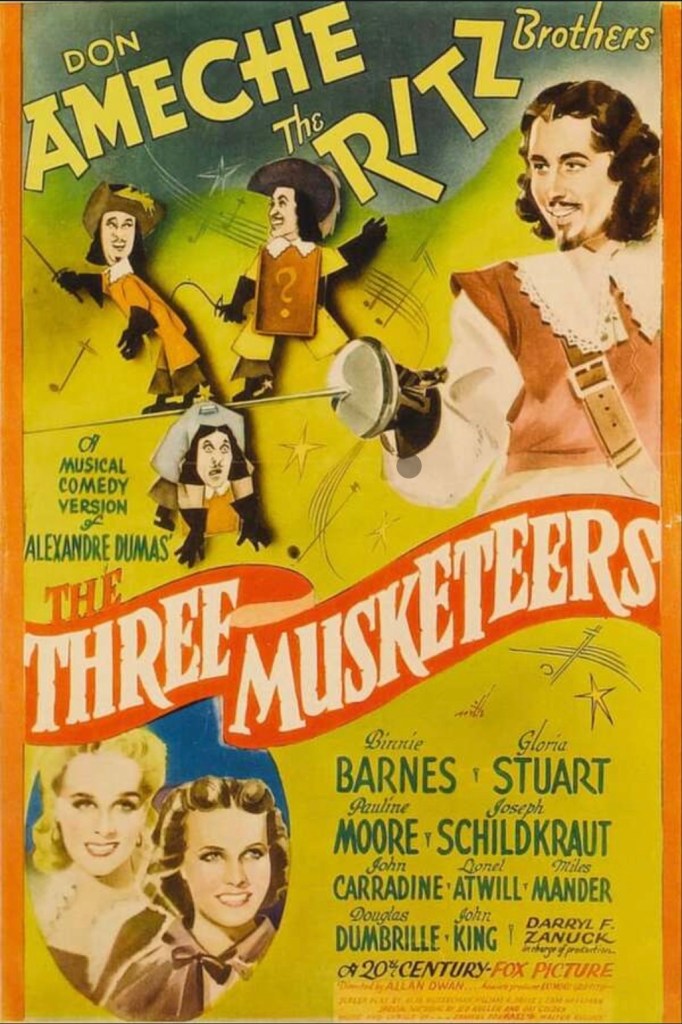
I had a vague memory of seeing a film version of The Three Musketeers from my youth, and went looking around to see if I could find it either in my library or on one of the streaming services. My memory was that the version I saw so long ago was in B&W, but I now think I just watched it on a B&W TV (yep, I’m old). I’m still not sure what version I was thinking of, but I came across one that ticked the boxes, so I watched it. This movie … was not the one I sort of half-remembered.
This 1939 version was a musical comedy version that, despite that terrible idea, actually sticks pretty close to the book for as far as it goes — which really surprised me. I have a lot of time for Don Ameche, the star of this version, and he is one of the best things in it, taking the role seriously while never wiping the smile from his face as he plays the headstrong but skilled D’Artagnon, who hopes to join the King’s Musketeers.
Yes, that’s Don Ameche. Handsome, isn’t he?
In this telling of the tale, D’Artagnon mostly misses the actual Three Musketeers, who appear only briefly. The trio gets passed-out drunk drinking toasts at an inn to the various King Louises, because there are so damn many of them, and the scullery cooks (played by the all-mugging, all-singing, all-pratfalling Ritz Brothers) try on the Muskateers’ outfits and then get mistaken by D’Artagnon for the real Musketeers, and of course from there mischief ensues from all parties.
The success of this film depends very, very, very, very heavily on your tolerance of The Ritz Brothers, who were a vaudeville act that transitioned pretty successfully to film on the strength of being a mix between The Three Stooges and three Chicos from The Marx Brothers. They’re not in any way witty, but they can mug and clown (and also comedically sing and dance) with the best of ‘em.
The Ritz Brothers as the faux Musketeers
Their schtick, in my opinion, hasn’t aged well — but I cannot argue with the fact that they enjoyed a successful career in various forms of show business (though the fact that they got forgotten pretty quickly afterwards may prove me right about them). The film also relies way too heavily on D’Artagnon somehow not seeing the Ritz Brothers’ utter incompetence as pretend Musketeers, which of course he doesn’t since they only end up in his view by accident throughout the film at points where they have been (accidentally-comedically) useful to him.
Ameche handles a sword well, sings in a pleasing tenor, and is handsome enough to pull off the romantic scenes. The Ritz “Musketeers” keep getting pulled in by D’Artagnon’s delusion that they are real Musketeers, but they do aid in his success in the complicated (yet truncated) plot of this brief 73-minute film.
Buckles were most certainly swashed!
If you don’t know the story, read the book, or watch one of the later, more dramatic film or TV versions. Suffice to say Cardinal Richelieu was a very bad man who manipulated royalty both in France and England, and was foiled (ha!) by the Musketeers. The plot works well in this film, it’s just the comedy and the musical bits that fall flat.
First of all, there are only four songs in this “musical,” none of them that good, and the two for Don Ameche sound pretty similar to these ears, though he turns his “on the road” song into a love song later on pretty well. The two Ritz Brothers songs (one of which extols the virtues of chicken soup) are meant to be comedic but seem quite laboured to me.
Near the end of the film, the brothers contribute their best bit: a pie-plate dance that’s actually well-done and quite clever, meant to cover any sound D’Artagnon makes while freeing Lady Constance from the dungeon below the aristocrats they are working against. I should mention that the chase scenes, while regrettably sped up as was the custom of the time, are really well-done and focus on the hardworking horses.
The whole film is well-shot but still somehow kind of cheap-looking (just like The Ritz Brothers, insert rimshot here). I did recognise Lionel Atwill as de Rochefort, but only realized the near-immortal John Carradine was in this (as Naveau) when the credits rolled. I’m giving this a star for the cinematography, a half-star for Don Ameche, and another half-star for the pie-plate dance, and still looking for whatever version I thought was great when I was like nine or so.
Some fantastic matte work in the film that shouldn’t go unmentioned
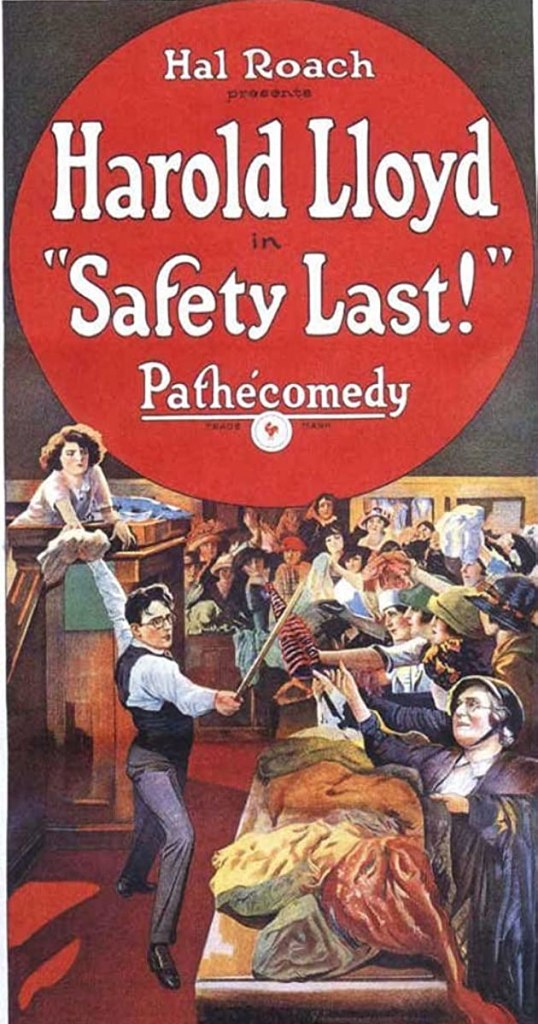
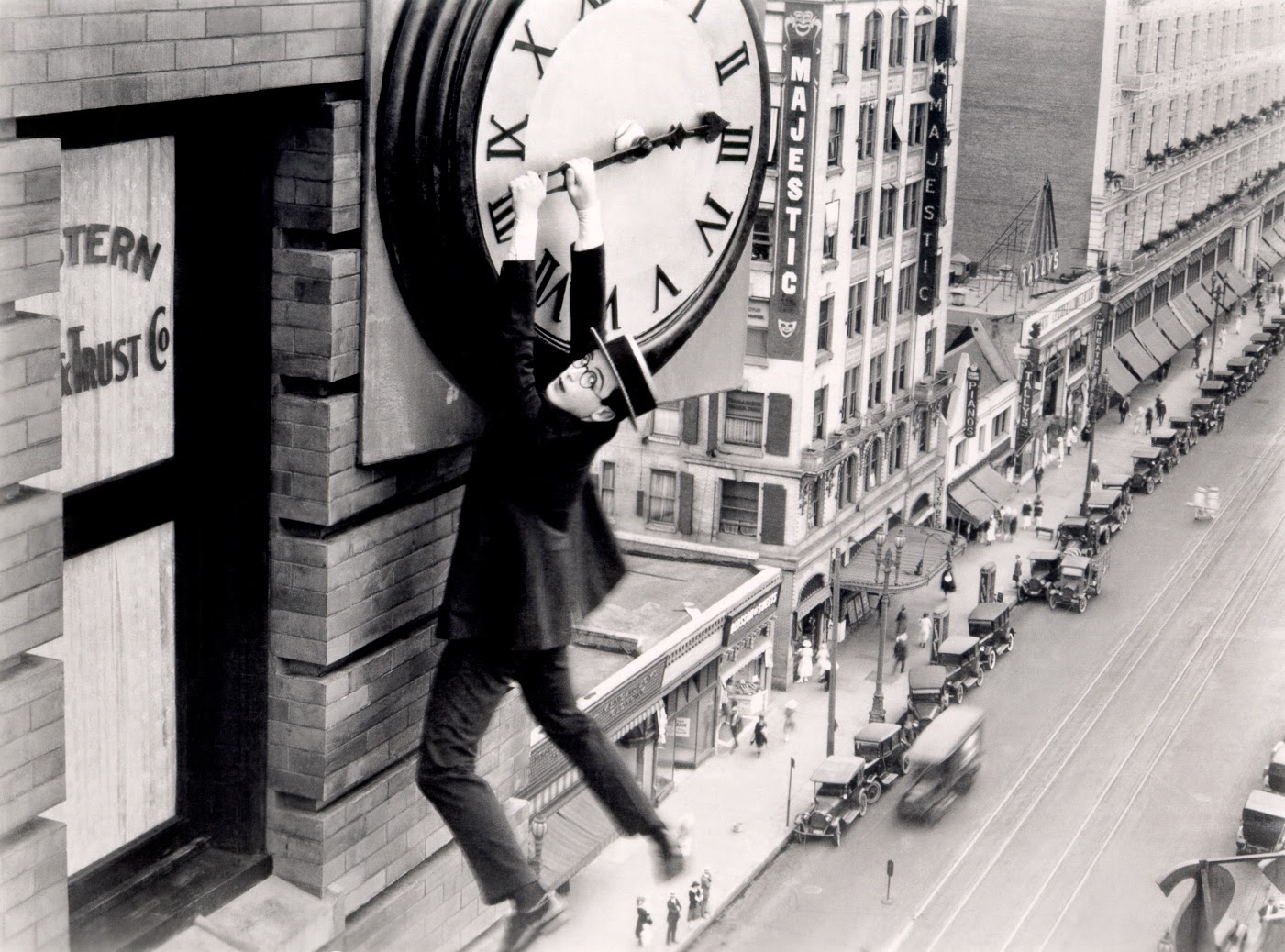
Anyone who’s paid any attention at all to the silent era of movies will have seen at least one of the most famous silent-movie stunts — Harold Lloyd, seemingly halfway up climbing the side of a building, hanging on for dear life as he grabs hold of a giant clock after putting a foot wrong. Suddenly, the clock face comes partially undone, leaving him hanging high over a busy street. This is of course from one of Lloyd’s full-length features, Safety Last!, and it is a gem — but only one of the amazing stunts in the film, which is also quite funny.
Lloyd is often thought of last when one tries to name the giants of silent-era comedy, behind Chaplin and Keaton, but for my money he’s actually the most versatile of the bunch. While Chaplin almost always played a tramp in his silents, and Keaton forever plays a stone-faced version of the unluckiest man alive, Lloyd is often the sunny embodiement of American Exceptionalism, resiliently cheerful and sure that everything is going to work out despite the craziest things happened to him, and indeed that blind faith carries him through.
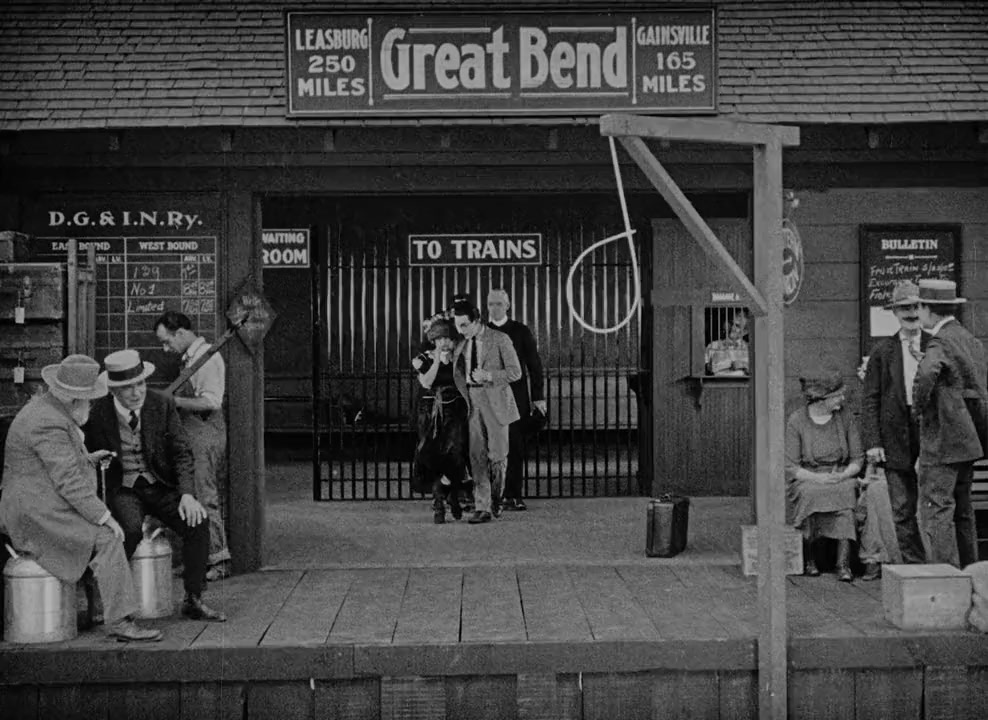
In Safety Last!, Lloyd opens the film looking like he’s in potentially fatal trouble — in jail and perhaps saying his goodbyes to his loved ones, with a hangman’s noose in the foreground. The set changes slightly, and we see in fact that noose was on a mail peg designed to allow the train to deliver a bag of parcels without stopping, and Lloyd was just a small-town young man on his way to the big city to make his mark.
He was doing this to secure his relationship to his intended bride (played by real-life wife Mildred Davis), by ensuring he has a career that can support a household and eventual family. The earnestness just radiates off Lloyd’s can-do attitude and beaming, positive face, but in fact like any such fellow he has to start small — sharing a room with a friend, working hard, and not quite catching the American Dream somehow … this film was only a few years prior to the start of the Great Depression, but somehow foreshadowed that all was not well with the game of “work your way to success.”
In another tell-tale America-of-the-20s trait, he puffs up his level of success to impress his girl, which in turn means he ends up spending most of his meagre paycheque on gifts he sends to her … skipping meals, hiding from the landlady, and making other sacrifices. In one scene, he ponders the cost of another gift while also staring at an advert for a “businessman’s lunch” (which costs 50¢ … you should see this film just to marvel at the prices of things!), and as he pushes himself to sacrifice for his bride-to-be, his minds “disappears” each of the five plates that were included in that luncheon. You can feel Lloyd’s hunger pangs.
As you might expect, the girl gets the idea to come visit and surprise him, and on very short notice he has to come up with ways to convince her he is as successful as he has boasted, hiding his lowly “real life.” While to modern audiences this thin plot moves along fairly slowly, there are always impressive stunts and action sequences (just him getting to the office is a great section of pratfalls and dangerous gambles) to fill the time until the next plot point.
Lloyd pays off a colleague not to reveal that he’s not the manager and this isn’t his office.
Mostly, Lloyd’s character (who was known as the “glasses man” in his earlier work, but he finally identifies the character as being himself — Harold Lloyd — on a business card, suggesting some real-life incidents are incorporated into the tale) just combines his incredible physicality with on-screen great luck in avoiding being killed or decapitated as would happen to the rest of us if we tried these stunts. Yes, there were stuntmen used and some clever camera trickery for the finale, but Lloyd is visibly on-screen for a number of these feats and it adds richly to the action.
In a panic over being found out as not the success he portrayed to his girl, he overhears the owner of the store wishing for a big publicity stunt and, thinking of his friend “Limpy” (the incredible Bill Strother, both a supporting character and sometimes Lloyd’s double for steeplejack and stunt sequences) who loves climbing buildings, offers a sure-fire plan to draw a crowd: he’ll climb to the top of the very tall department store building!
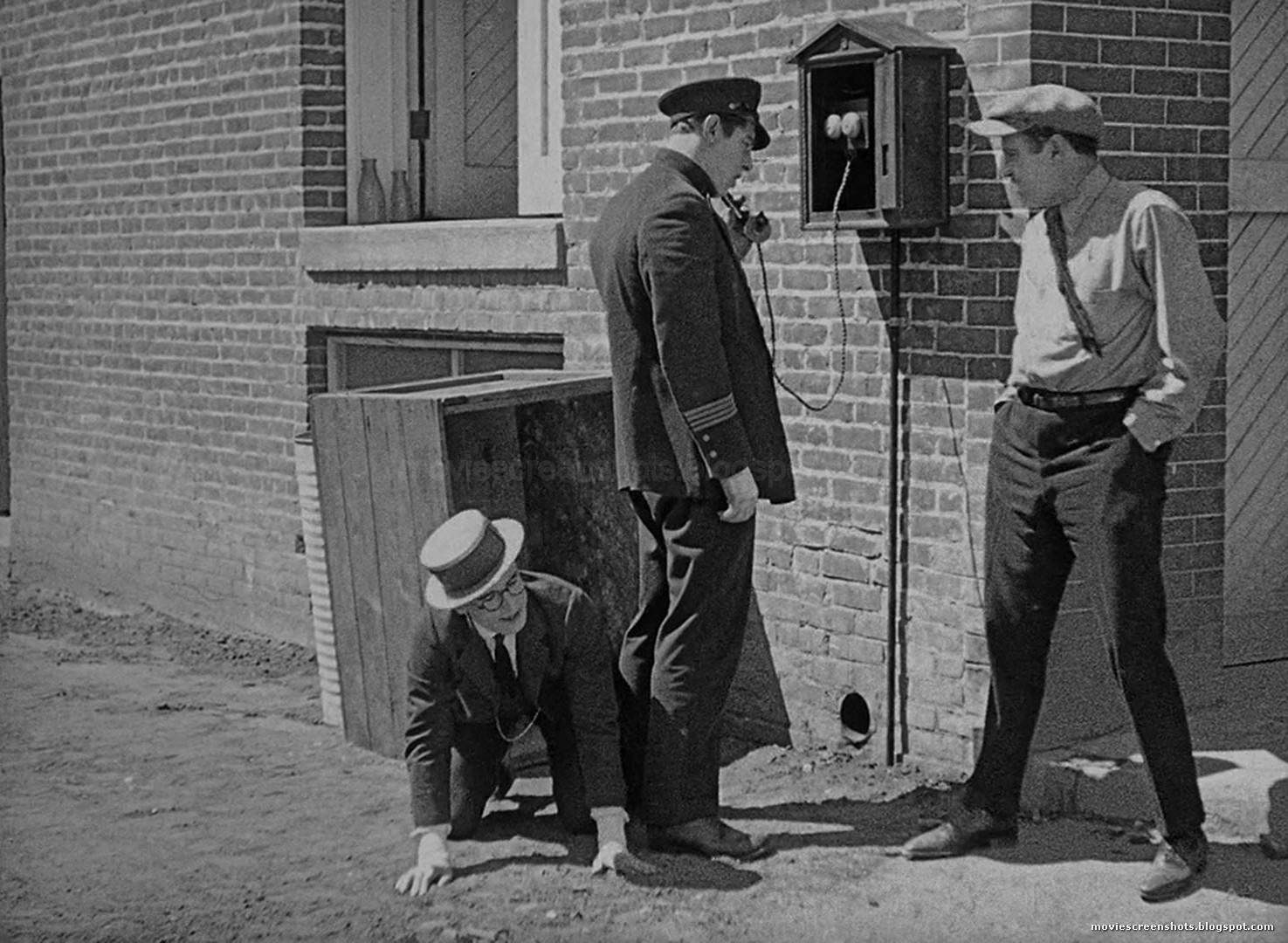
In an earlier sequence that sets up the climax of the film, Lloyd recognises a policeman in town as being an old buddy from their youth, and goads Limpy into helping him play a knock-down gag on the copper. But he doesn’t see his friend go inside and be replaced with a different cop, so when the prank is successful the furious flatfoot swears revenge on Limpy (Lloyd having quickly escaped). This sets up the dilemma that sees Limpy unable to scale the building in Lloyd’s stead (he was going to just take Lloyd’s glasses, hat and coat to fool the bosses), and Lloyd having to be coached into doing the climbing himself as the cop continues to chase Limpy around the store.
The sub-plot that sets up the finale
Of course, Lloyd doesn’t think he can do it, but Limpy reassures him that he’ll ditch the mad cop and take his place if he just climbs up a couple of floors. Well, the cop doesn’t give up that easily, and Limpy swings by a window every floor to encourage Lloyd to climb just another floor or two … until finally Lloyd has barely survived climbing up the entire building, reaping the entire $1,000 reward* for himself into the bargain, thus securing his forthcoming marriage.
*Lloyd is shown to be netting $15 every two weeks — remember this is 1923 — so a grand is like three years of wages in a single day, and of course it is implied he’ll be promoted as well.
Before the big climb and during it, there are numerous funny moments and smaller-scale stunts to keep things moving along, but the film — as ingenious and humourous as it is — still feels like the kind of plot that would sustain a film only half its one hour 13 minute runtime, and just throws in a lot of sequences that feel like (clever) padding.
Lloyd’s Not-Of-London … his actual position at the store.
That said, it’s very worth seeing. The incredibly clever way they did the climatic climbing sequences really make it easy to believe he’s hanging by a thread incredibly high up, but it wasn’t quite like that (you’ll have to guess how they did it in the silent era without the modern safety constraints and optical techniques such things would have today, I’m not telling).
I will however say that there’s a short Criterion Channel documentary made much later that reveals the secrets of Safety Last called Safety Last: Location and Effects that will spill the beans if you can’t figure it out yourself.
Throw in some incredibly well-trained pigeons (yes, really), a truly hilarious one-line cameo by a little old lady, and Lloyd’s amazing physical comedy, and you end up splitting your time between chuckling and staring wide-eyed at how he’s going to get out of this new bit of trouble.
If you’ve only seen sequences or still images from the film, I’d encourage you to watch the whole thing. Of course it was a big hit with audiences in its day, but in some ways it still embodies some uniquely American ideas about work-life balance, exploitative capitalism, and risk-reward philosophies that stand up today. Despite these subtle but weighty themes, it’s a feel-good film that everyone in the family will enjoy. Still!



























 The Chasbah