⭐️⭐️⭐️⭐️
Disney/Pixar Studios
Director: Pete Docter
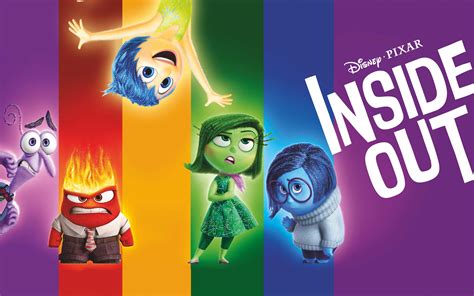
A short review: this is a pretty brilliant film, focusing on Riley, an 11-year-old girl, and her emotional state. It’s also the story of Joy, one of those emotions living in her head, coming to an understanding of the role Sadness should play in Riley’s present life and memories.
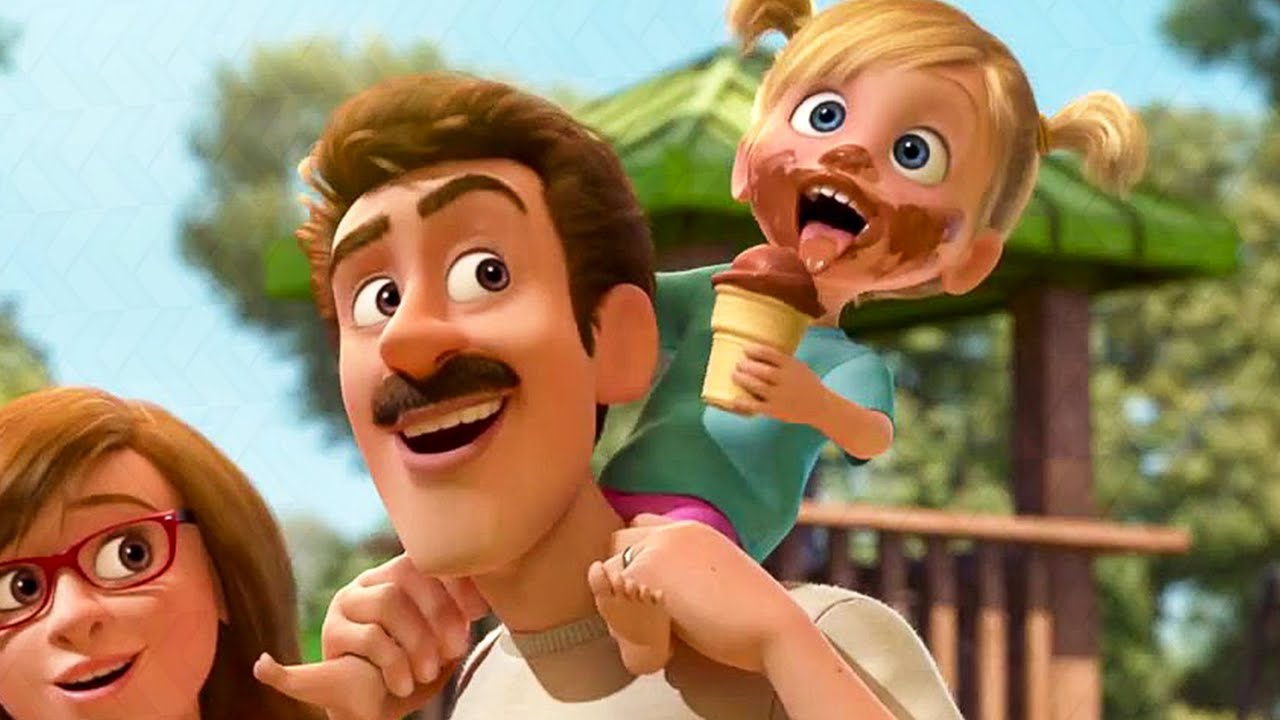
The other emotions are good, but kind of backgrounded — except for Anger, played brilliantly by Lewis Black. The parents are fairly minor characters as well, which I felt was a flaw at first, but they’re very much meant to be minor characters — the focus is on Riley. There are occasional representations of what’s going on in Mom’s and Dad’s brains, and those are also amusing.
The film won a (very large) bucketful of awards for Best Animated Feature that year, though only one Oscar — for Best Animated Feature. The American Film Institute and the National Board of Review, however, both picked it as one of the Top 10 films of 2018. It has since become another Pixar family classic, and is really well-suited to show boys and girls at around Riley’s age, or kids of almost any age who are going through the trauma of moving and leaving their previous friends behind.
There is one serious flaw in the story that bothers me: when Sadness touches a memory, she changes it into a sad one from its previous state — she gets scolded for this several times in the film. Oddly, when (let’s say) Anger touches one of the memories, it doesn’t change — nor does it when Joy or any other of the emotion characters touch it. It’s not reeeeaalllly a plot hole as much as it is foreshadowing, but there was probably a better way to handle that.
That said, the most genuine sad moment in the film is a stunningly perfect heartbreaker: Bing Bong, and that’s all I’m going to say about that.
In short, it remains of Pixar’s best original movies. Even better ones have since been made from that studio, but Inside Out is still truly great, still relevant – and really does tug at the heartstrings, elicit emotional responses. For the non-kids this was also aimed at, the film gently gives us parenting advice while also making us recall our own pre-teen years.

I’d recommend you reacquaint yourself with this film before seeing the new sequel, Inside Out 2. I’m glad they waited nine years to do the sequel.
 The Chasbah